
Enjoying Folk Crafts and Contemporary Art
The Quiet Presence of the Matsumoto Folkcraft Museum
Once the curry had warmed me right through, I headed to the Matsumoto Folkcraft Museum. Mingei refers to simple, everyday handmade objects, from combs and chests of drawers to even ceremonial masks.
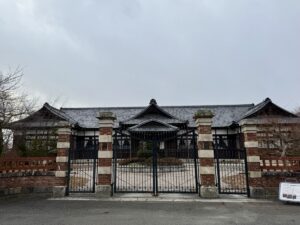
This museum sits in a residential neighborhood, and the first thing that catches your eye after passing through the gate is its very spacious garden.
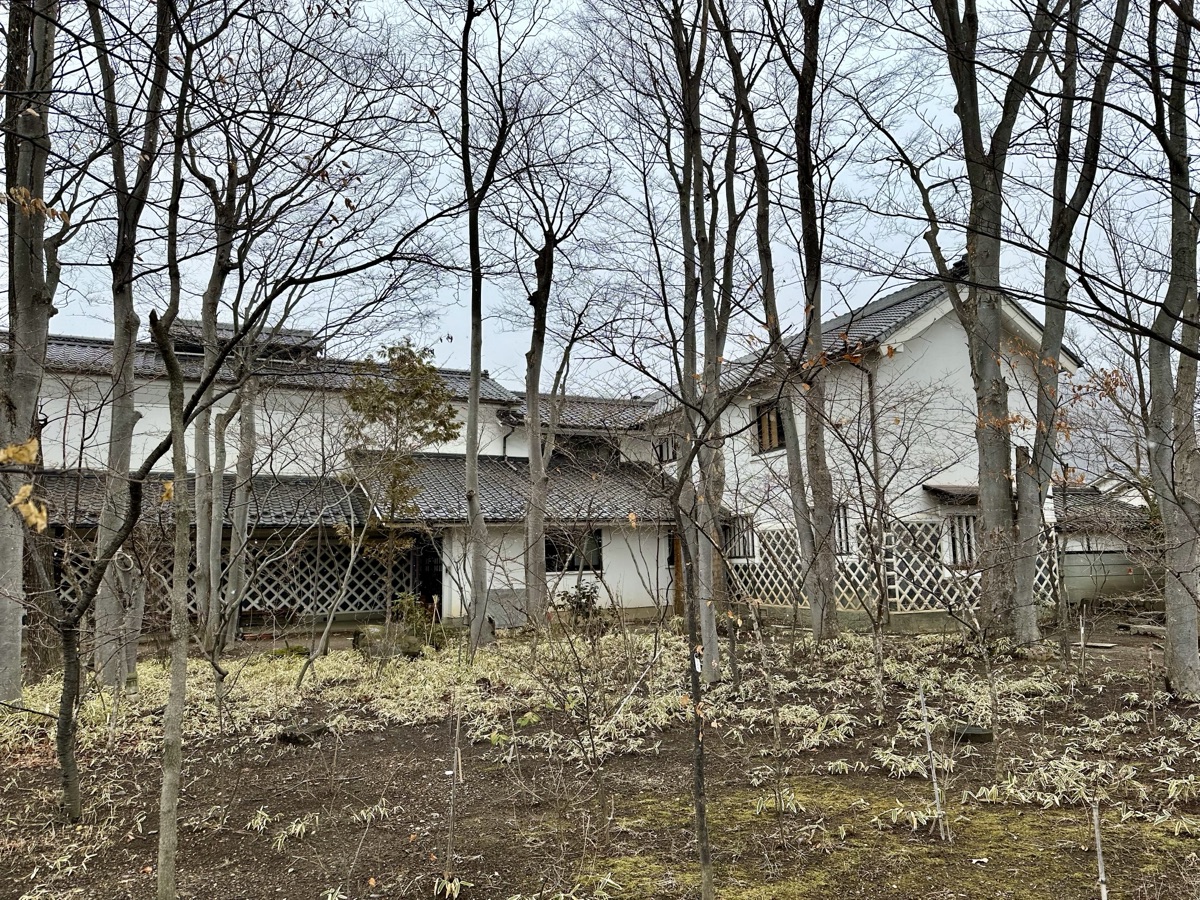
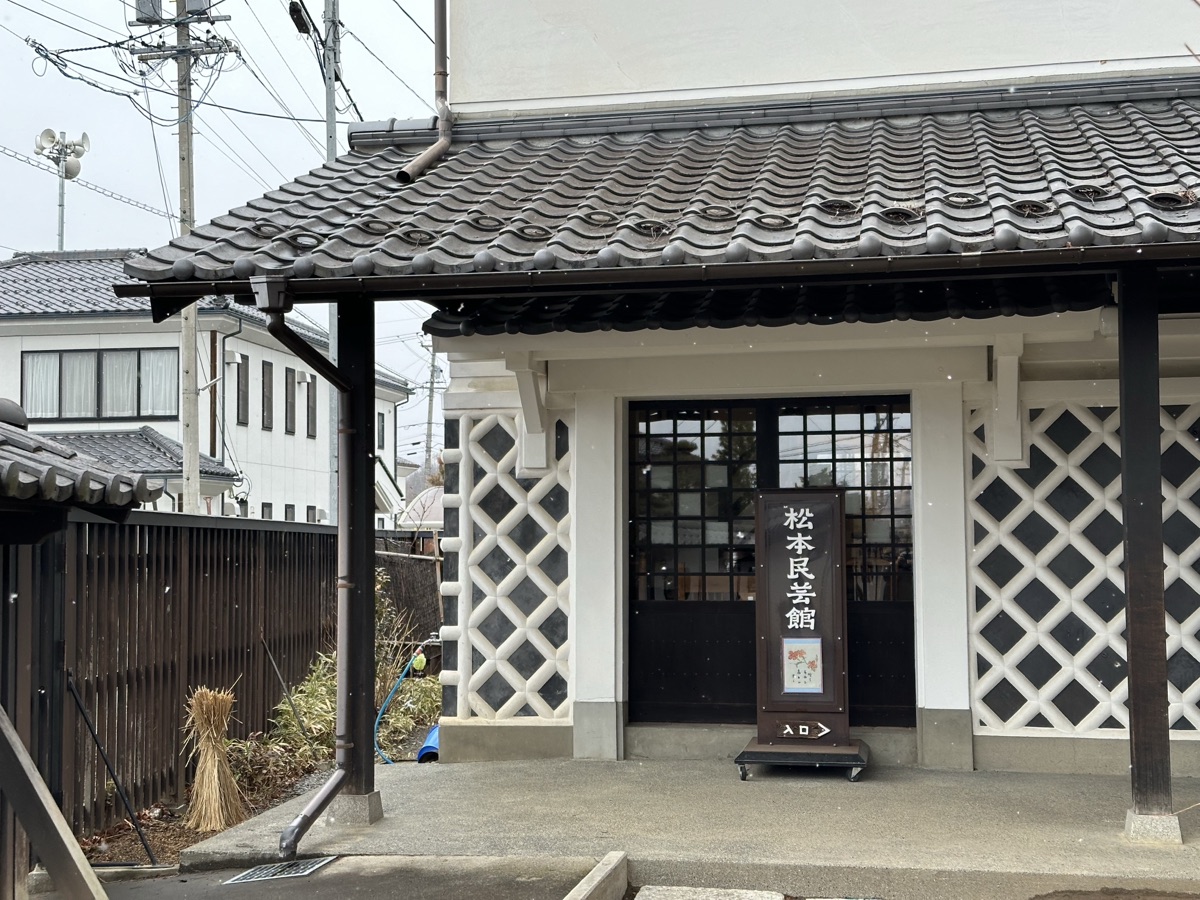
The entrance lies beyond it, after you walk through the garden.
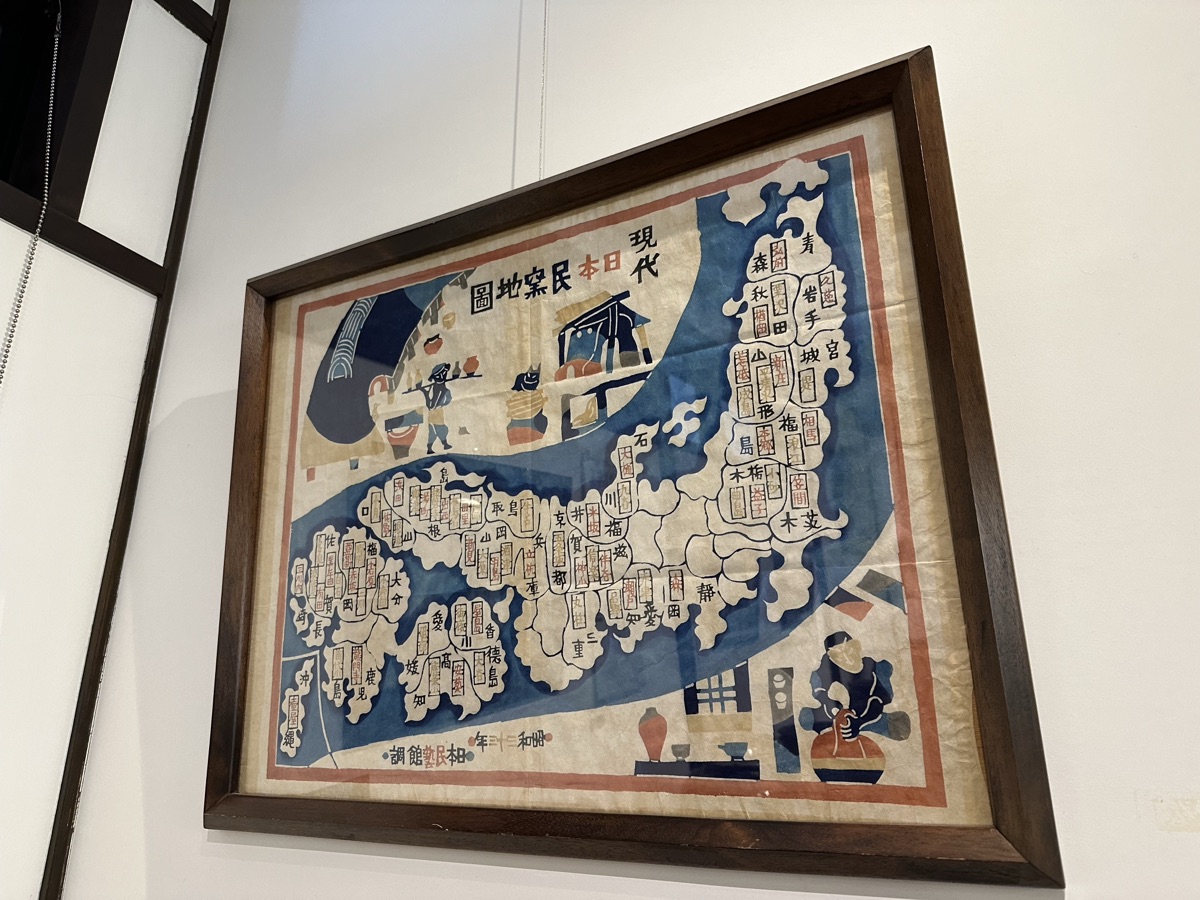
A Map of Contemporary Japanese Folk Kilns. It’s a stencil-dyed textile. Folk kilns are kilns that produce everyday wares such as tableware.
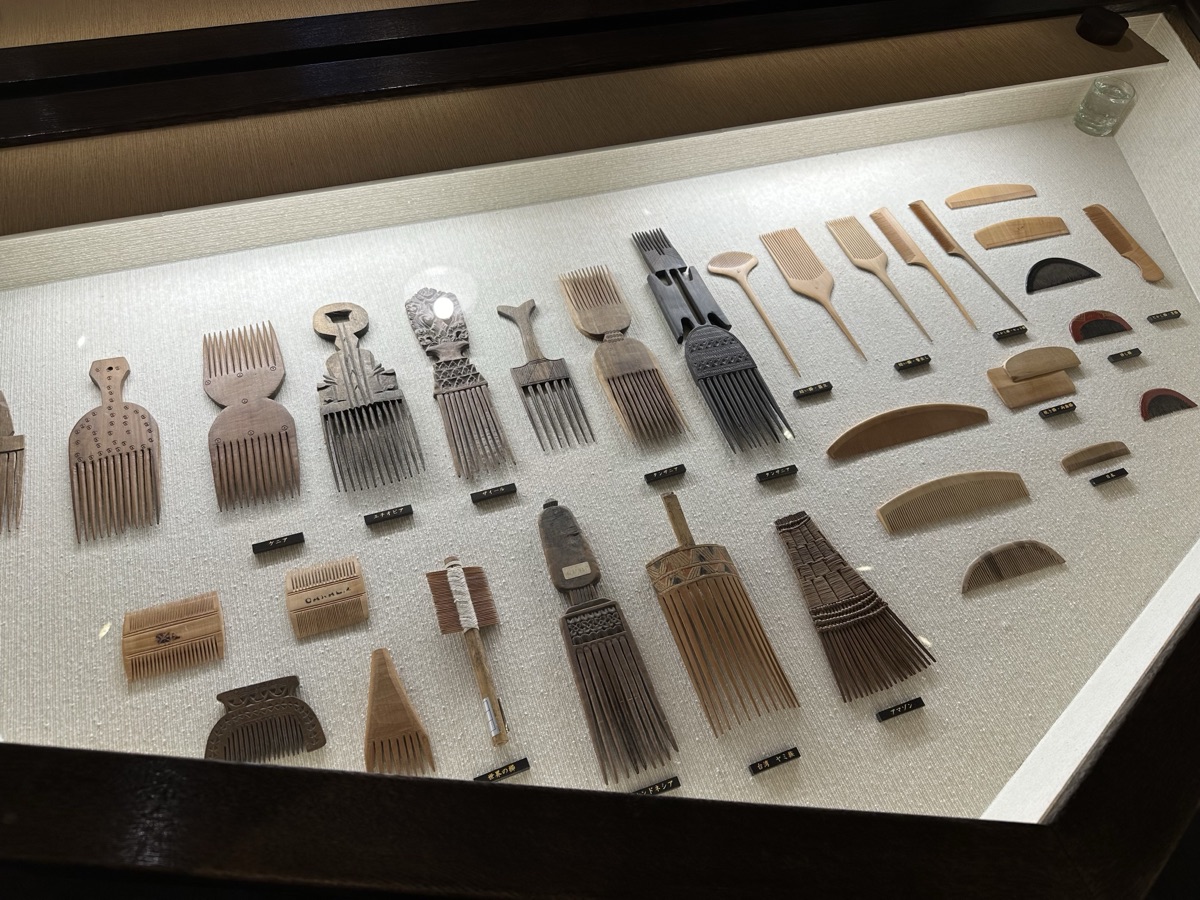
Combs in a wide variety of designs.
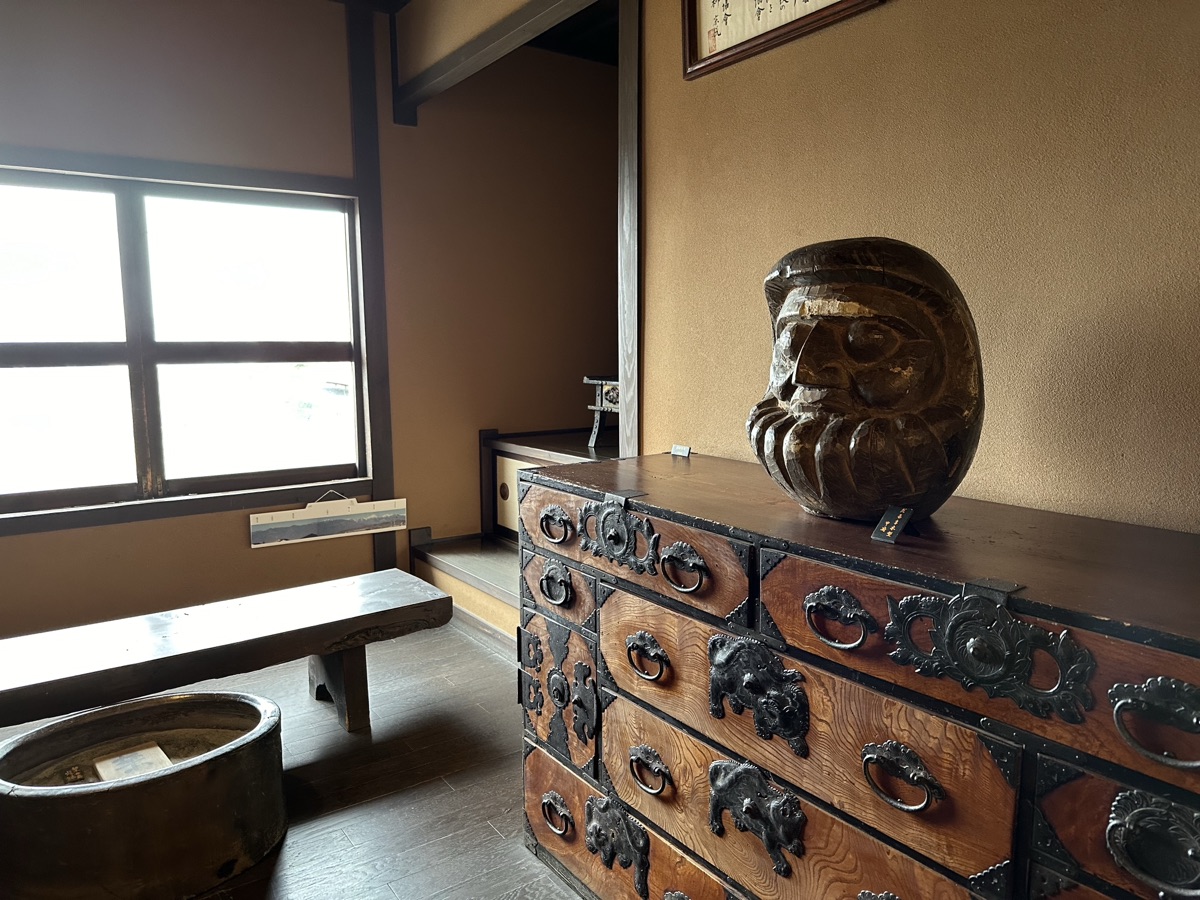
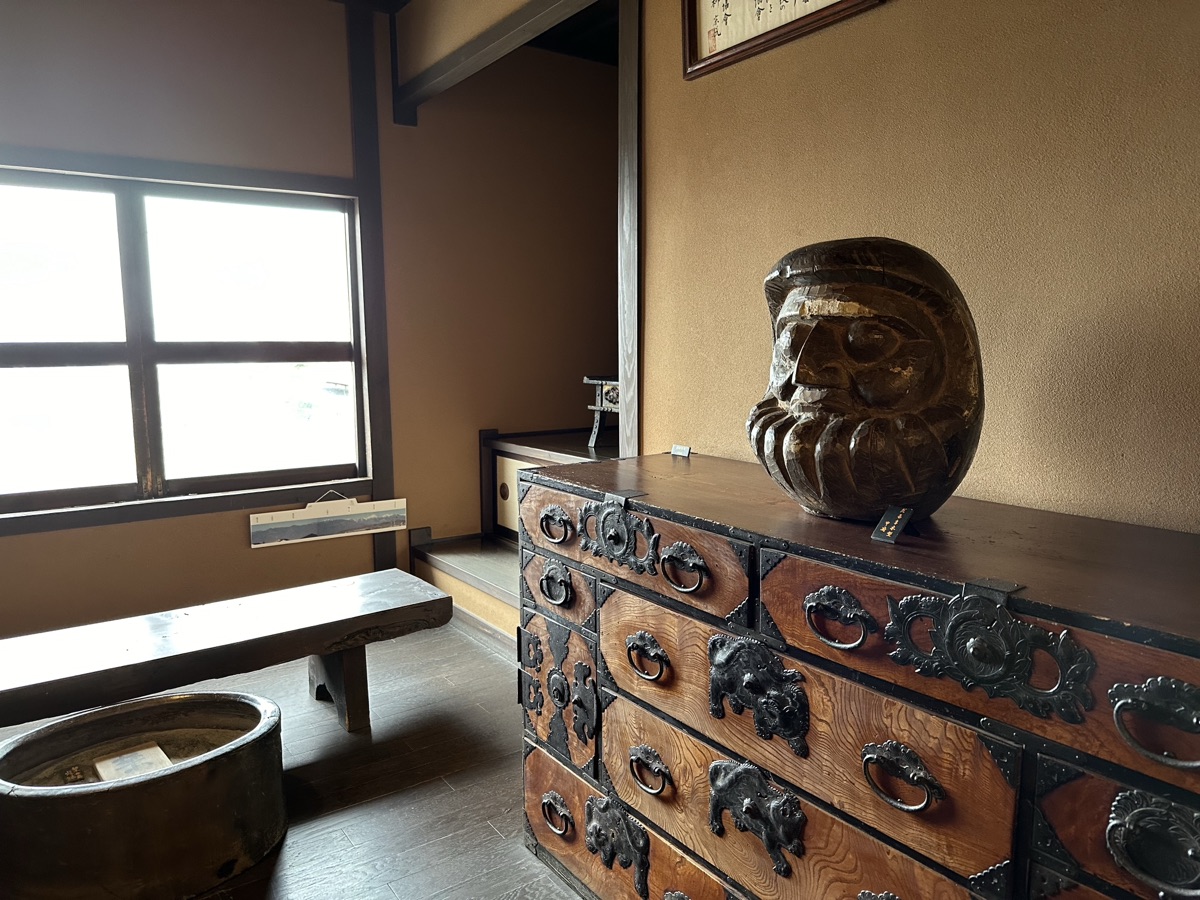
A chest of drawers and Daruma figures.
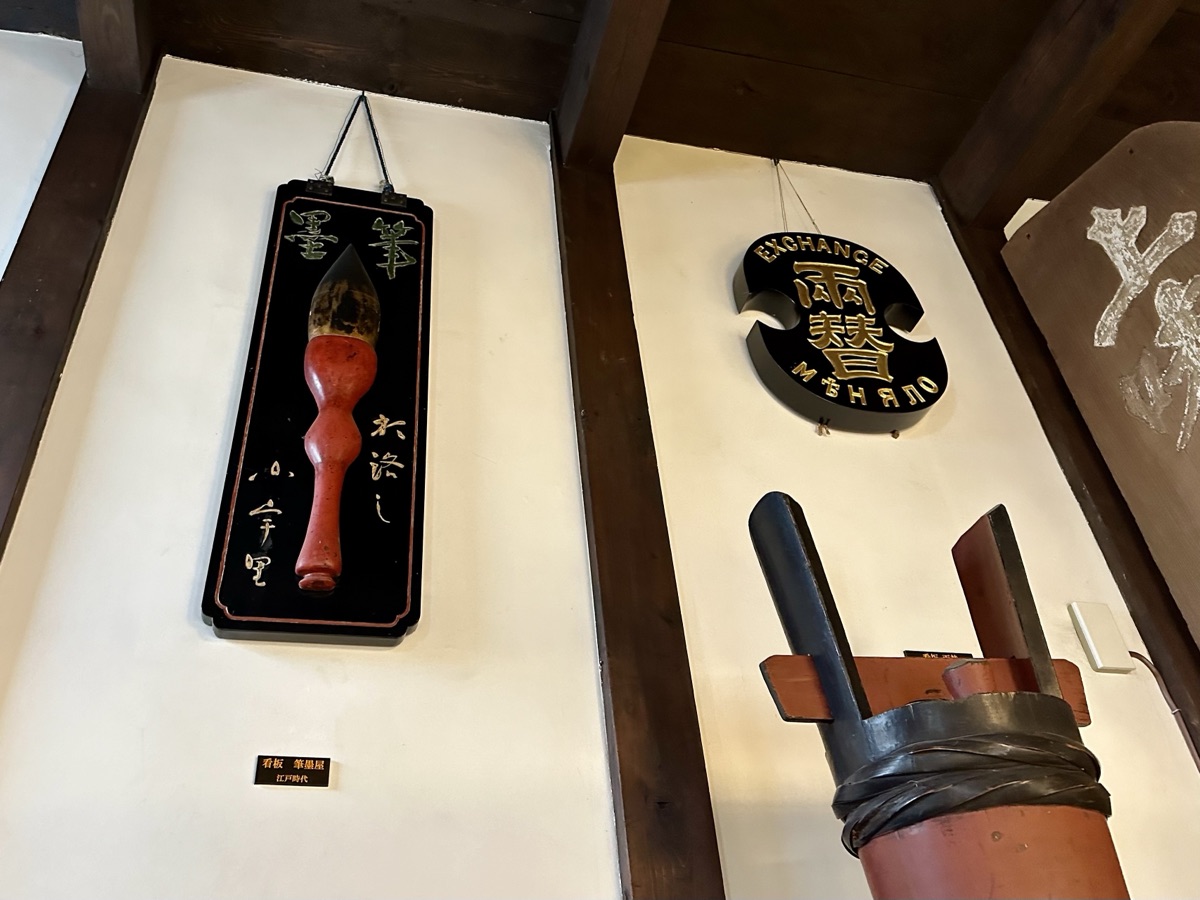
My personal favorites were these shop signs from the Edo to Meiji periods: a brush-and-ink shop and a money changer. The money changer’s sign is shaped like a fundō, a weight used for measuring mass. It’s the origin of the map symbol used for banks today.
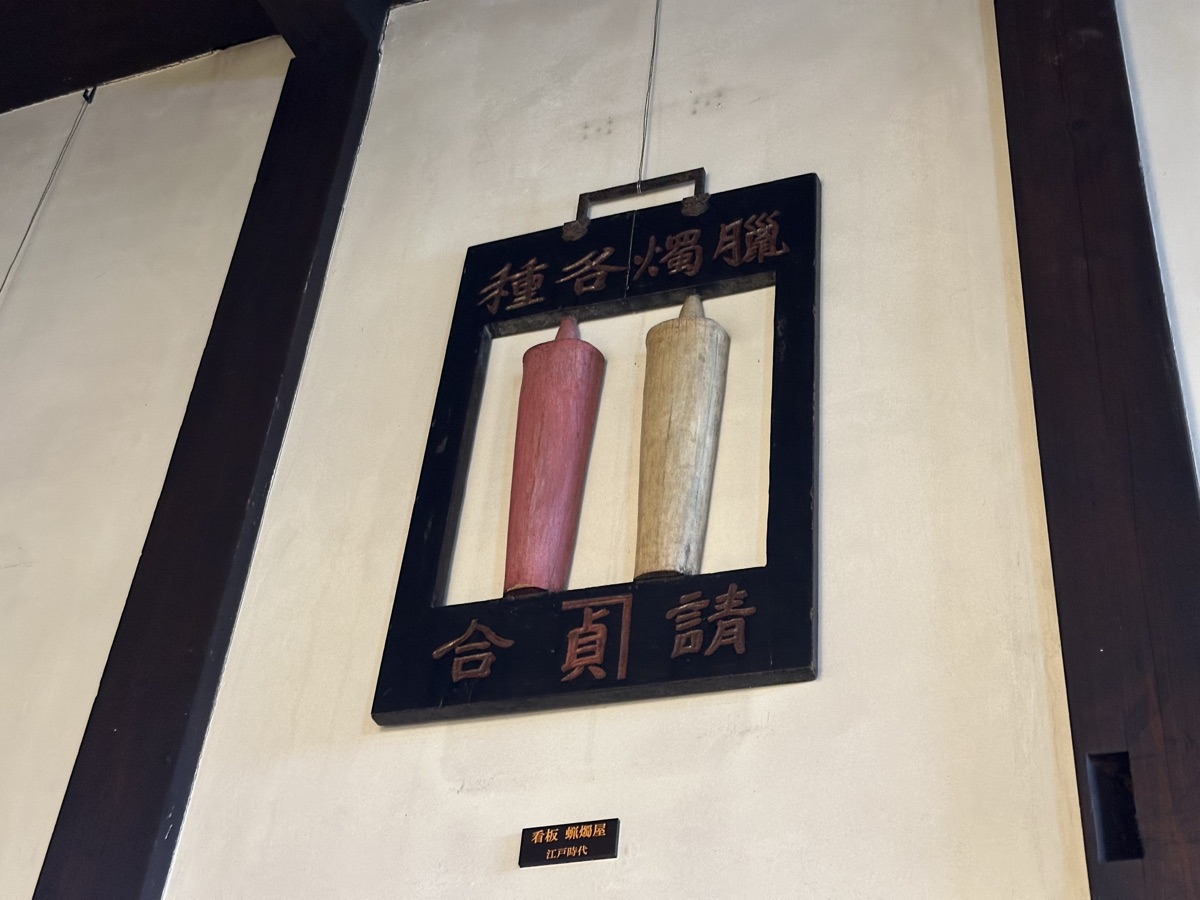
The candlemaker’s sign has red-and-white candles. I think the shop name might be “Kanesada.”
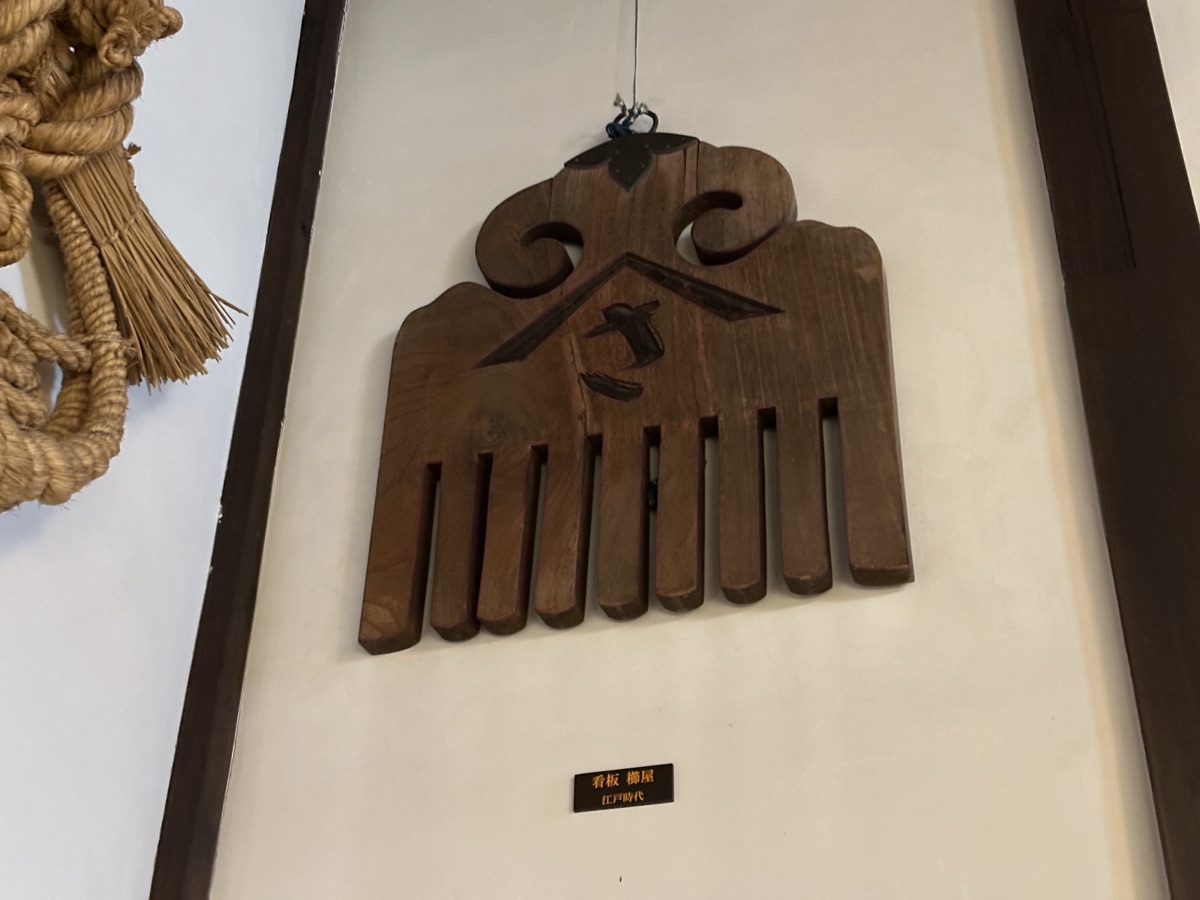
And the comb shop’s sign is, incredibly, a giant comb! The shop name might be “Yamasa”…?
After this, I head back to central Matsumoto.
Comments