
A Journey into Matsumoto’s History and Culture
The Former Kaichi School, Reopened After Seismic Retrofitting
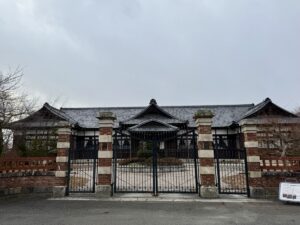
After lunch, I started sightseeing. My first stop was the Former Kaichi School, which I hadn’t been able to visit on my previous two trips because it was closed for seismic retrofitting. I heard it reopened to visitors in November 2024!
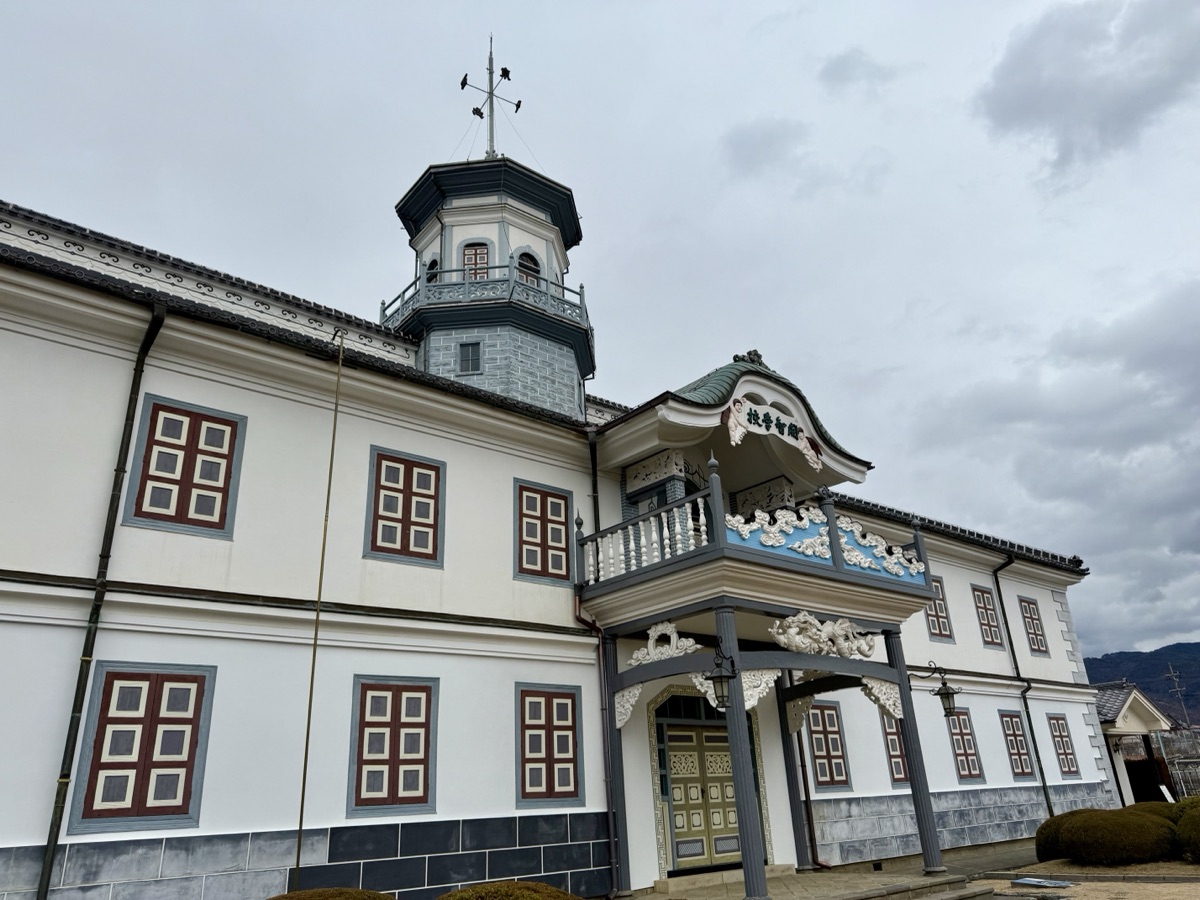
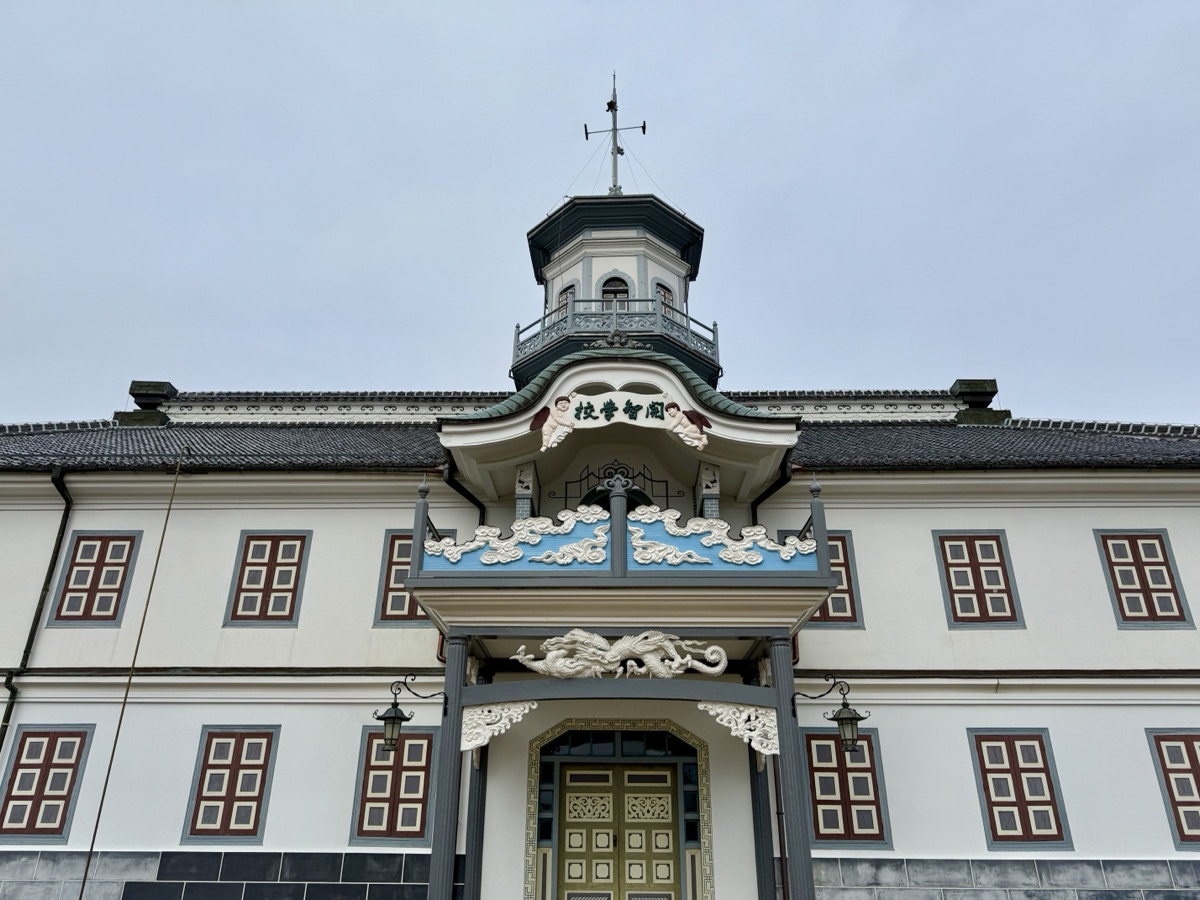
This distinctive school building was constructed in 1876 (Meiji 9). It originally stood at a different location in Matsumoto, but in 1963 (Showa 38) it was relocated to its current site and restored to its original appearance.
It was designed and built by Tateishi Kiyoshige, a master carpenter from Matsumoto. The building is a representative example of giyofu architecture, a style that blends Western and Japanese elements.
Near the center of the building stands an octagonal tower. Apparently, it once housed a bell that was used as the school chime. The weather vane is decorated with the kanji for east, west, south, and north.
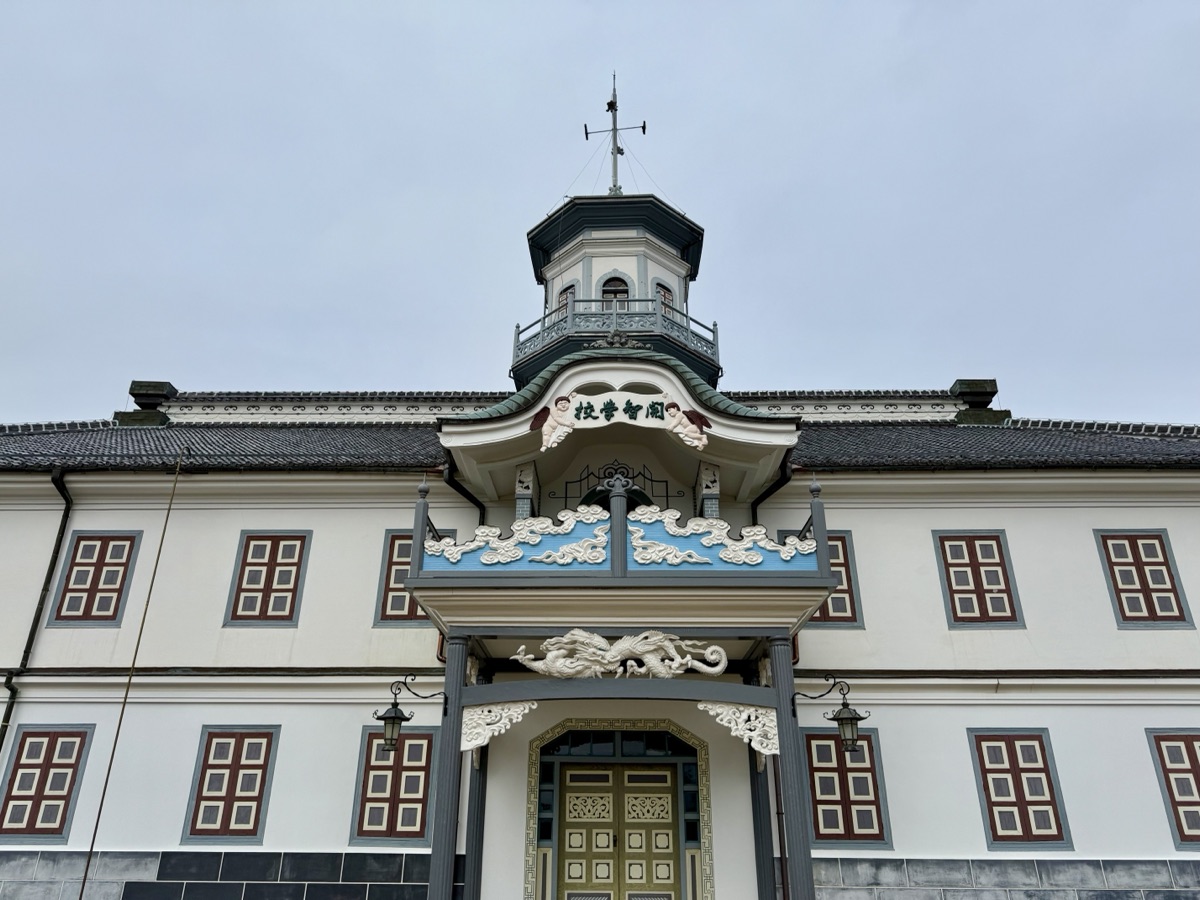
For some reason, there are even angels flying around up there.
Once I stepped inside, it was much colder than I had expected! At least there was no wind, though…
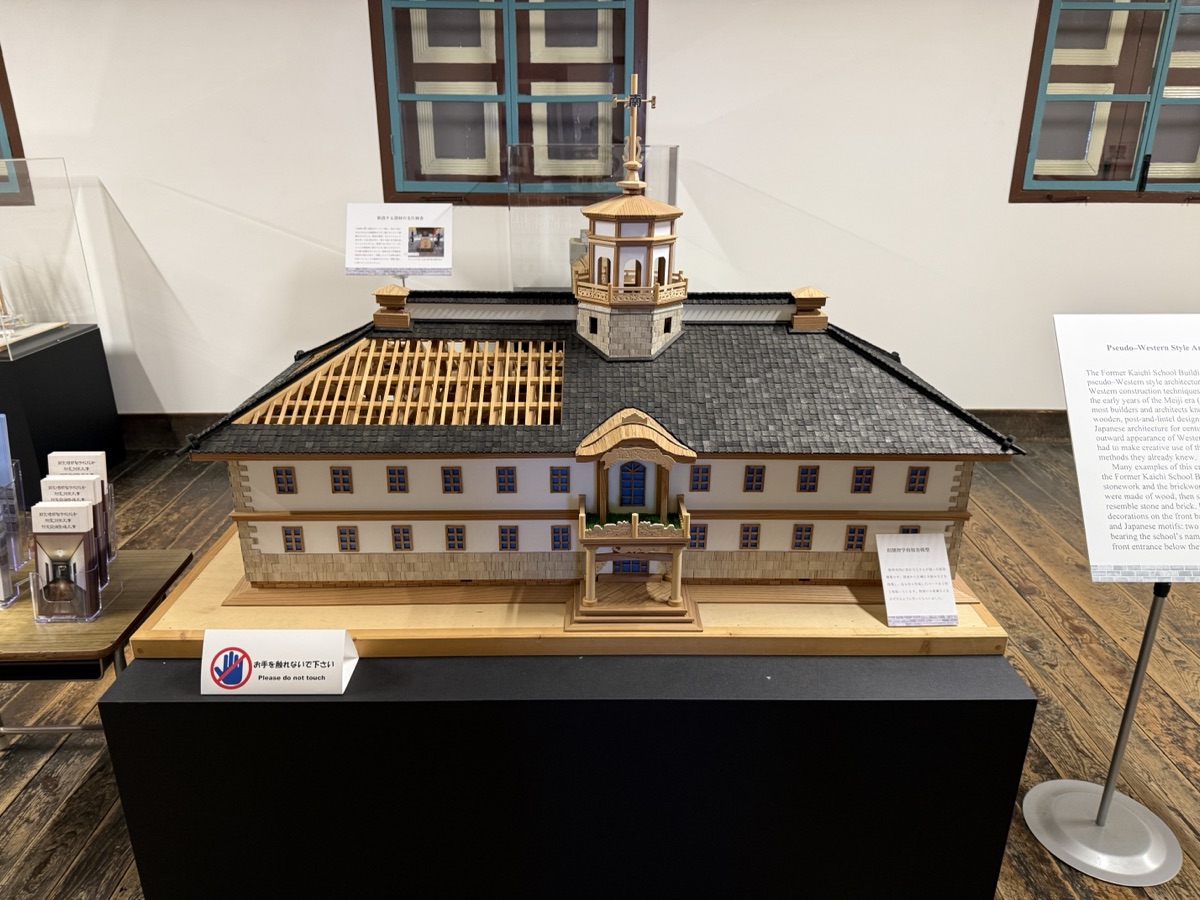
Although the building looks symmetrical at first glance, it’s actually asymmetrical. You can clearly see it in this model, since the number of windows is different on each side. I also learned that the central balcony doesn’t actually have a large door for people to go in and out.
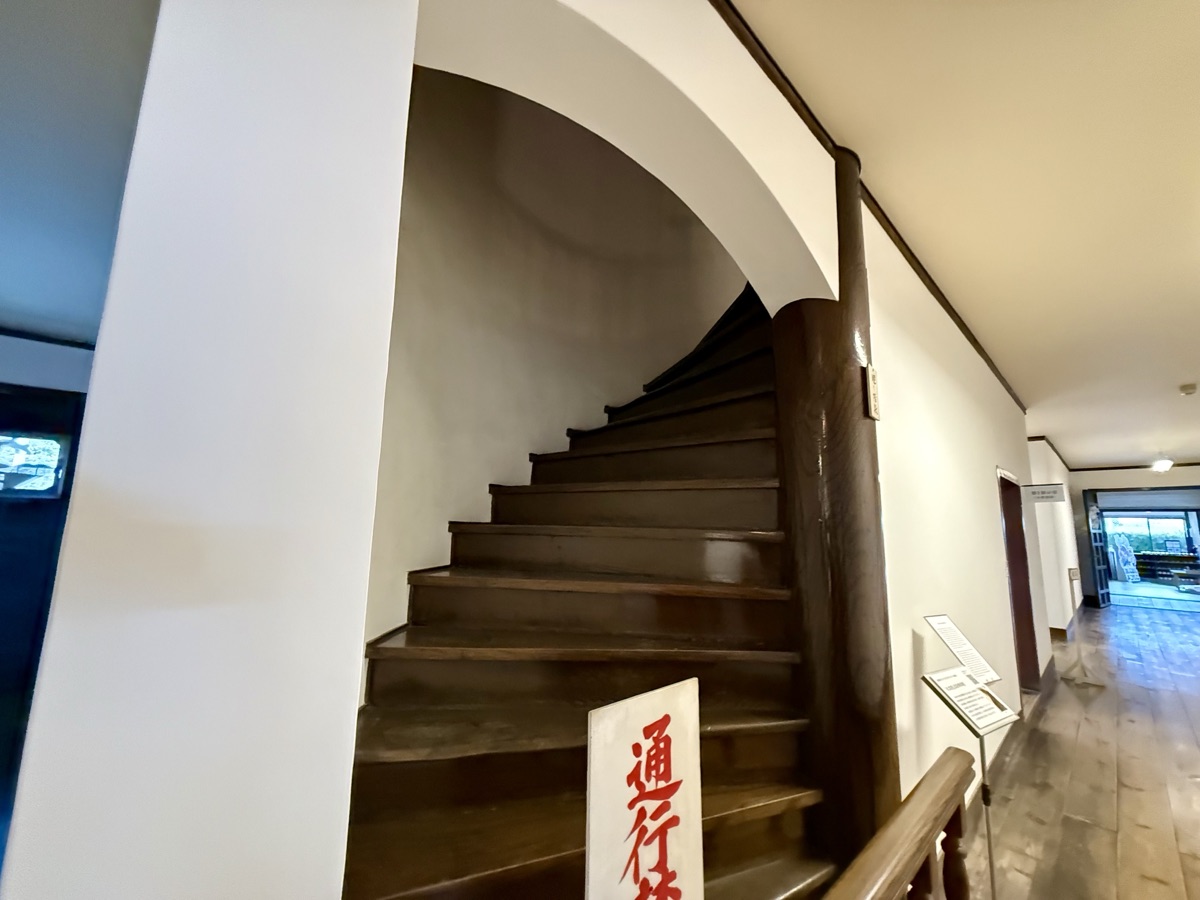
There was also a spiral staircase in the hallway with an incredibly steep pitch, and it looked like the kind of thing children would have loved using.
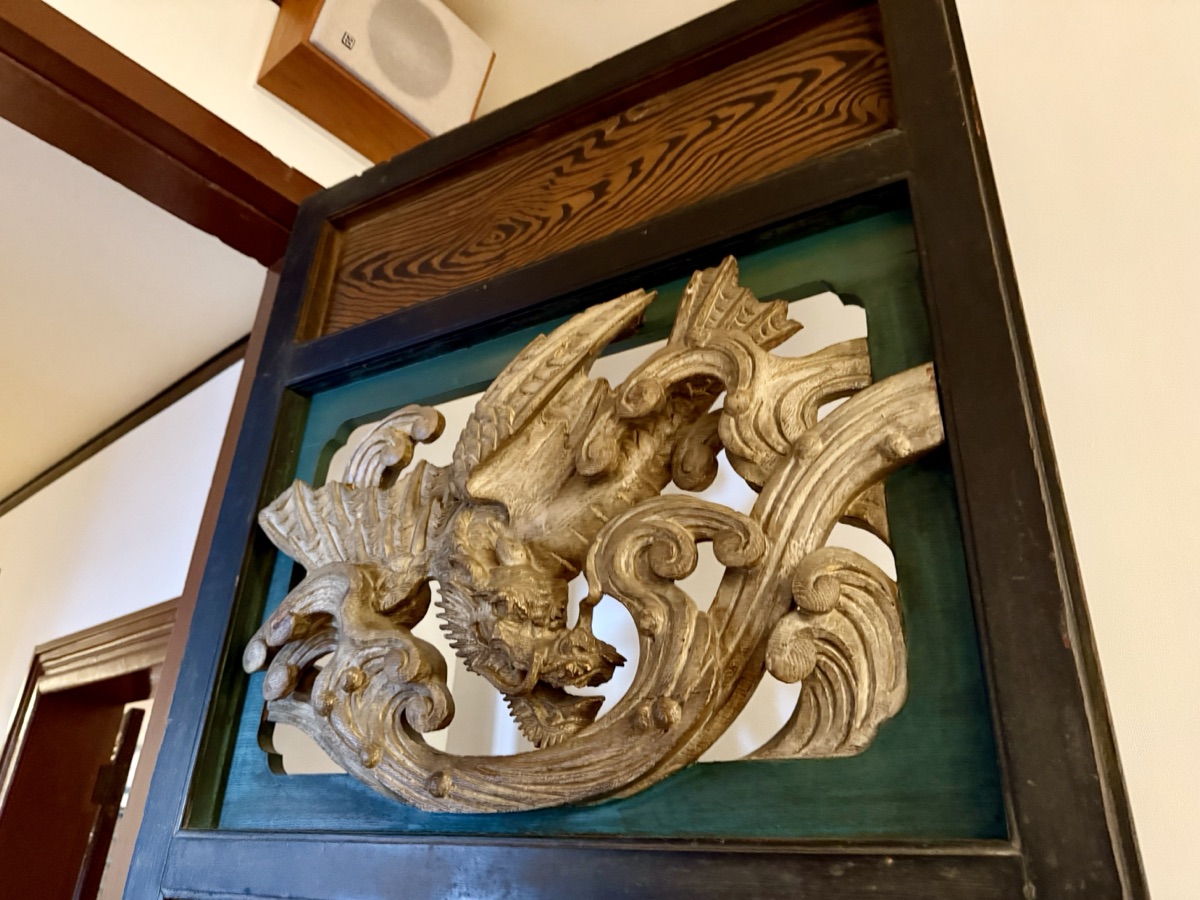
This impressive door is called a sankarado, and I was told it was relocated here from Jorinji, a temple that was abolished during the anti-Buddhist movement. Finding these Japanese elements throughout the building is part of its charm.
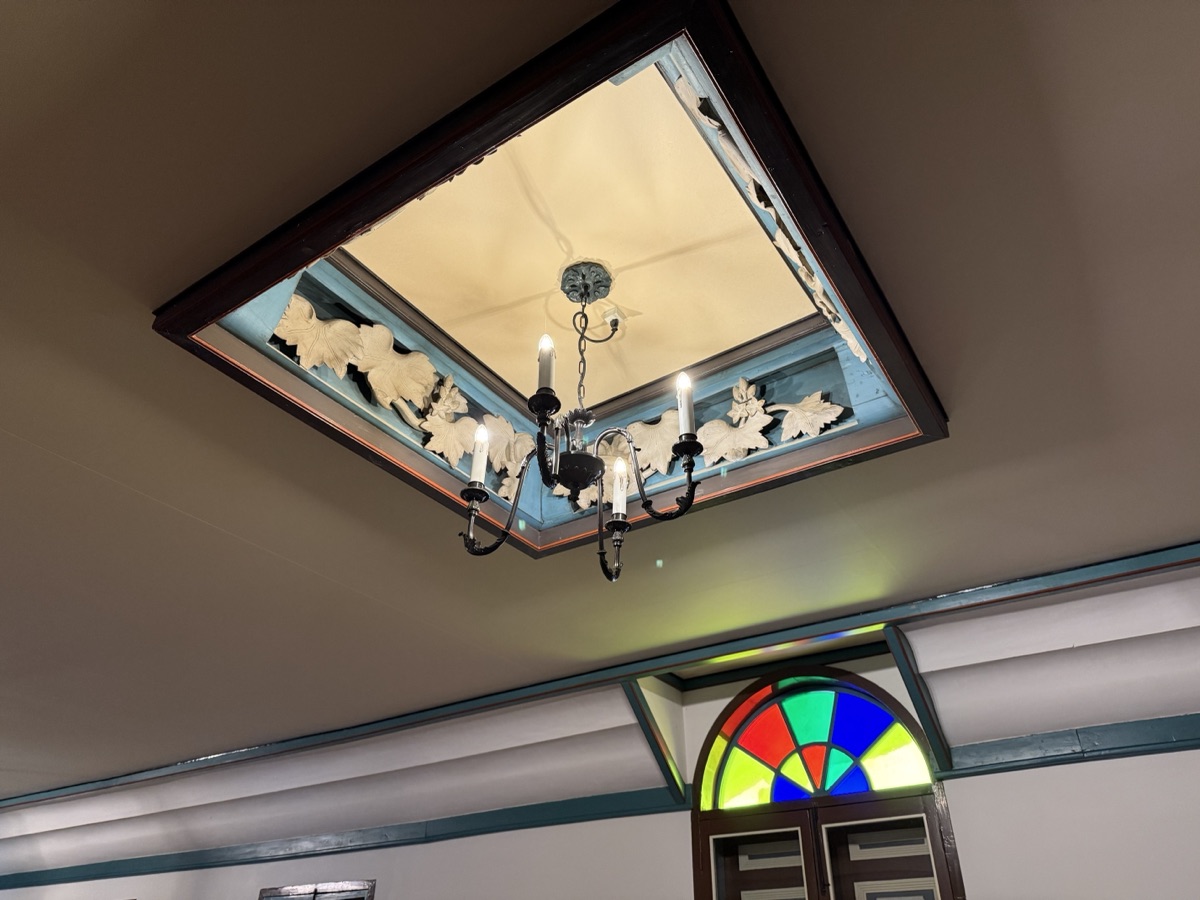
The large space on the second floor is the assembly hall, and it was remarkably lavish, with imported colored glass—something rare at the time—and carvings around the light fixtures.
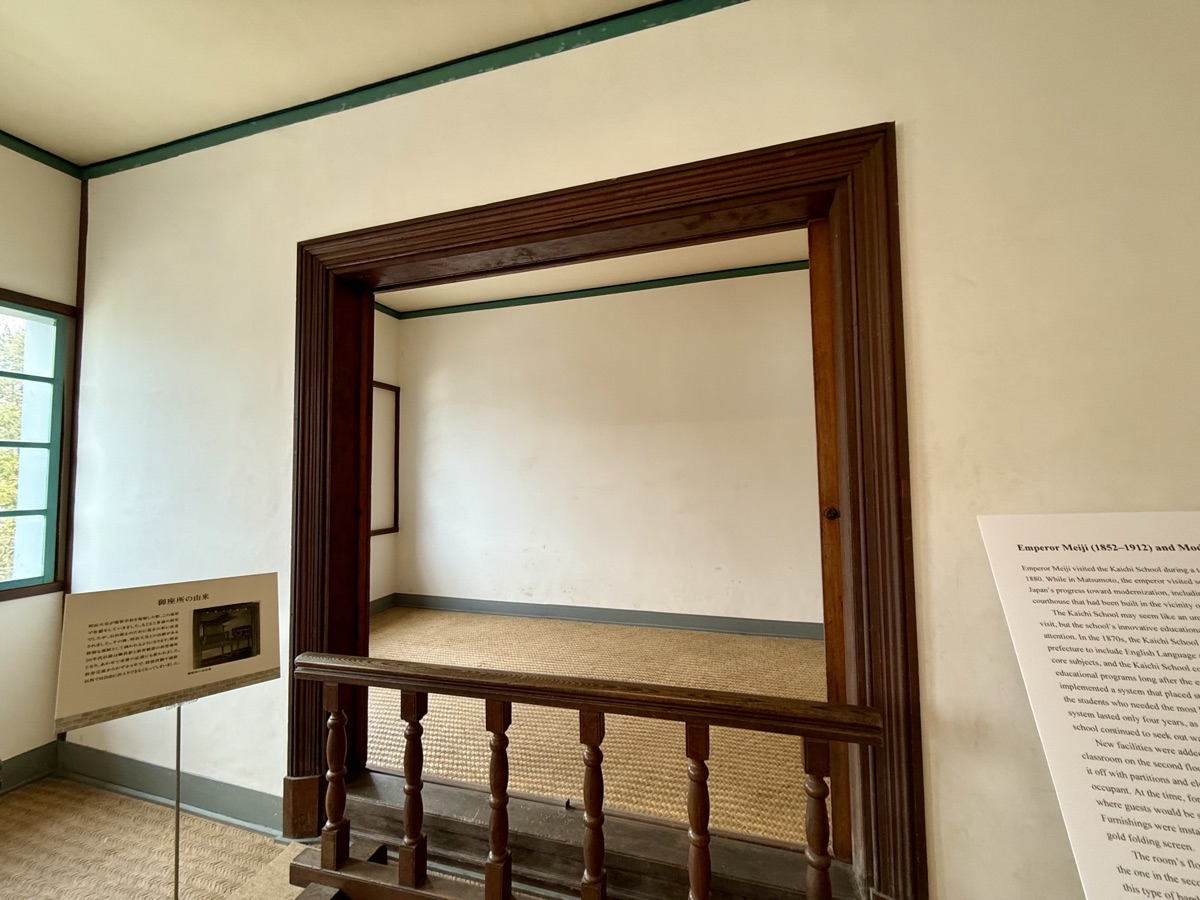
There is also still a room known as the Gozasyo, which was used as a resting room when Emperor Meiji visited Matsumoto. Apparently, it was created by remodeling an ordinary classroom.
The school building was much more compact than I had imagined. Back then, students didn’t automatically move up by grade level—they had to pass exams to advance. It was the kind of place where I could learn not just about the building itself, but also about the history of education. I really enjoyed it!



Comments