
Exploring the Architecture of the Kyoto National Museum’s Heisei Chishinkan Wing
Designed by Yoshio Taniguchi
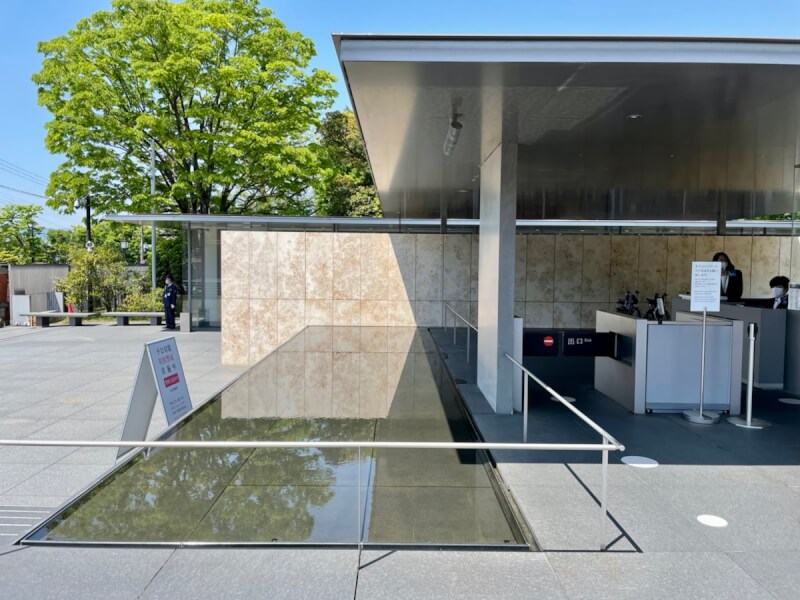
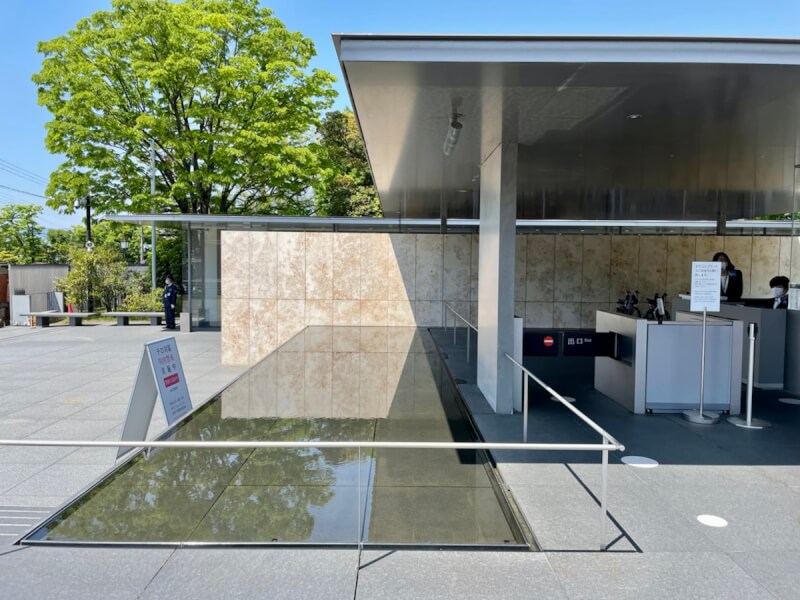
Next up was the Kyoto National Museum, directly across from Sanjusangendo. What I was most eager to see here was the beautiful architecture by Yoshio Taniguchi.
From the entrance area with the ticket booth onward, the whole building is 120 percent pure Taniguchi in the best way. And yes, there’s a reflecting pool too.
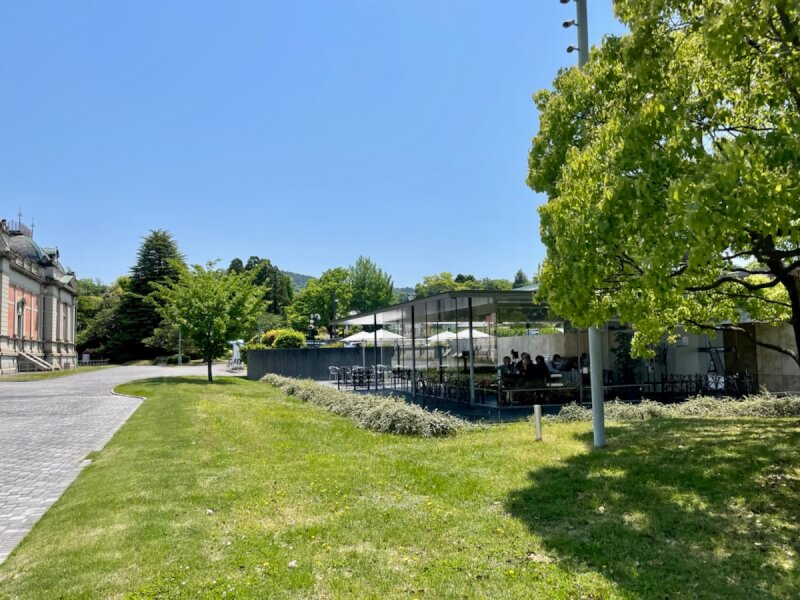
At the entrance, there was also a café called Maeda Coffee Kyohaku Branch that you can use even without entering the museum.
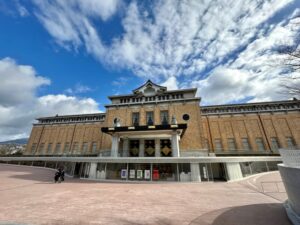
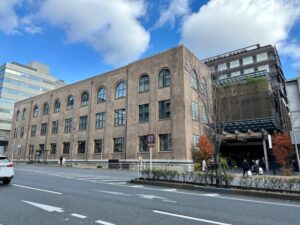
This stately red-brick building is the Meiji Kotokan (the former Main Hall), a French Renaissance-style work by Tokuma Katayama. Unfortunately, it isn’t open to the public right now, so you can’t go inside.
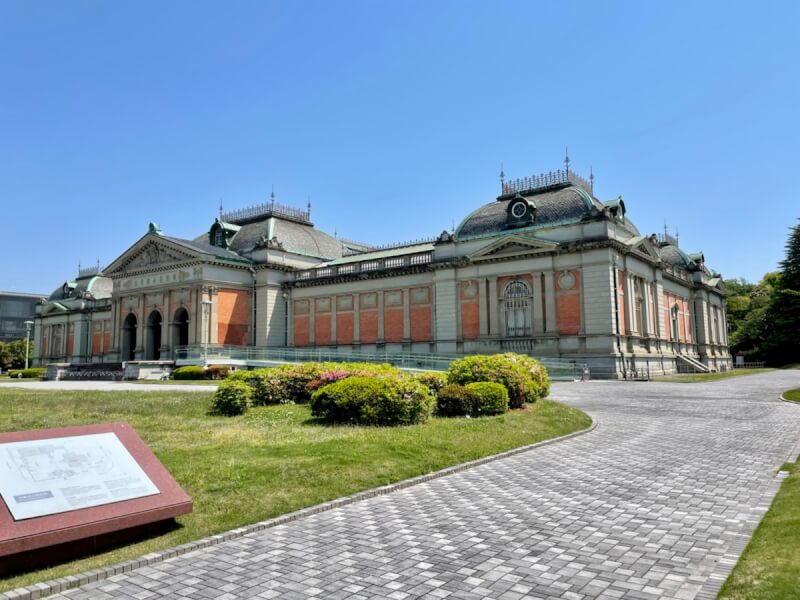
I’d really love to visit the Meiji Kotokan someday.
A Beautiful Exterior
The building you can enter instead of the currently closed Meiji Kotokan is the Heisei Chishinkan Wing. It’s a modernist building with a completely different character from Tokuma Katayama’s architecture.
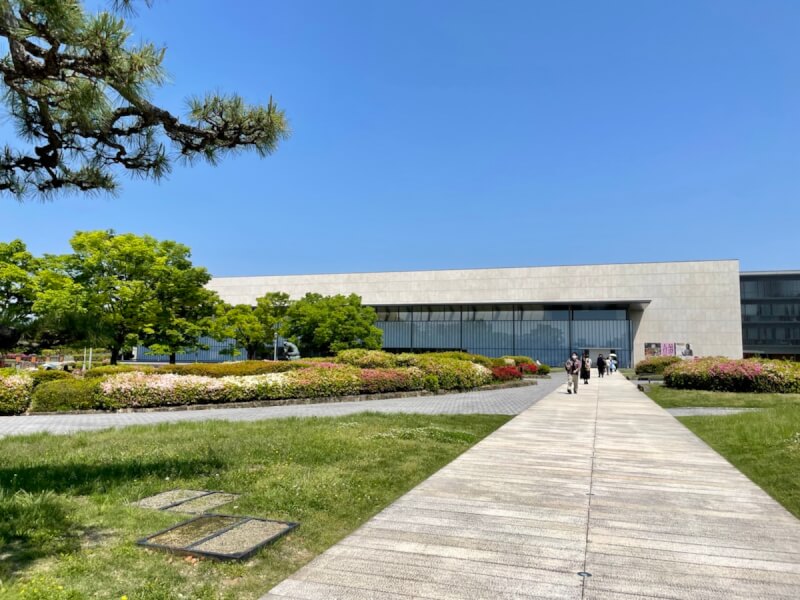
When it comes to Yoshio Taniguchi’s architecture, you think of beautiful reflecting pools and clean, refined forms. The Heisei Chishinkan is no exception. It looks stunning against the blue sky.
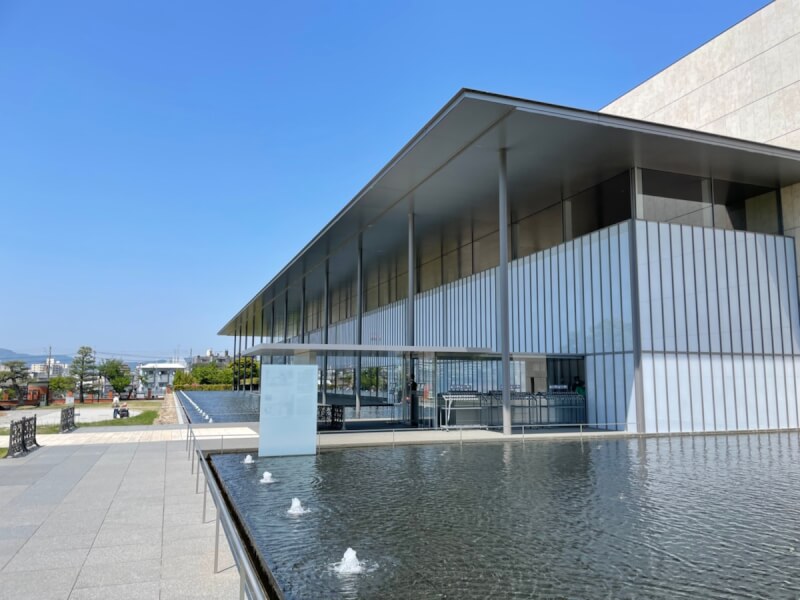
More than anything, I love this reflecting pool. I could just stand there looking at it and lose track of time. Haha.
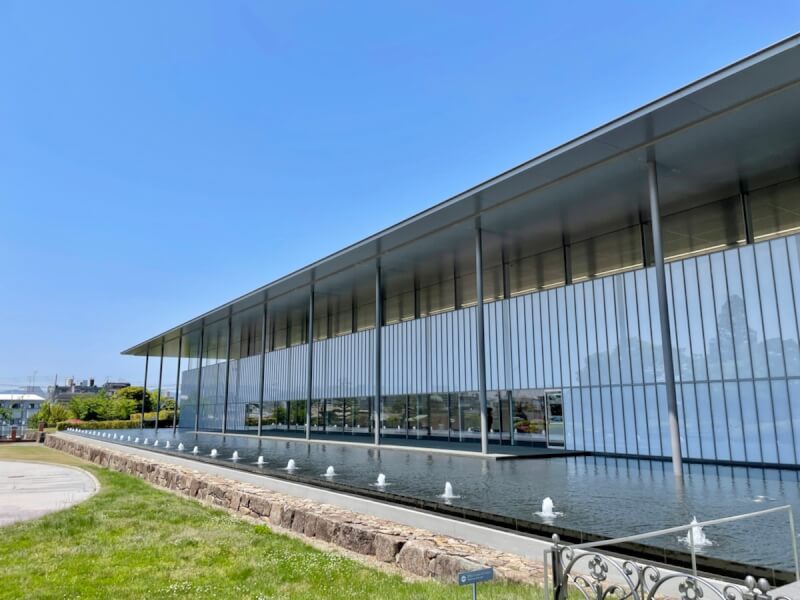
The fountain in the reflecting pool turns on and off intermittently. Those subtle little touches are so characteristic of Yoshio Taniguchi’s architecture.
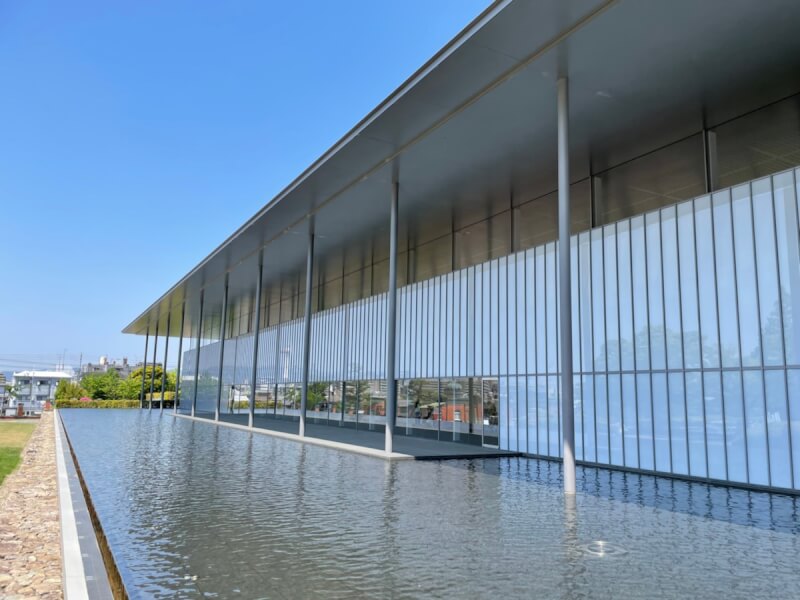
I imagine it must be quite a task to keep this reflecting pool looking so pristine.
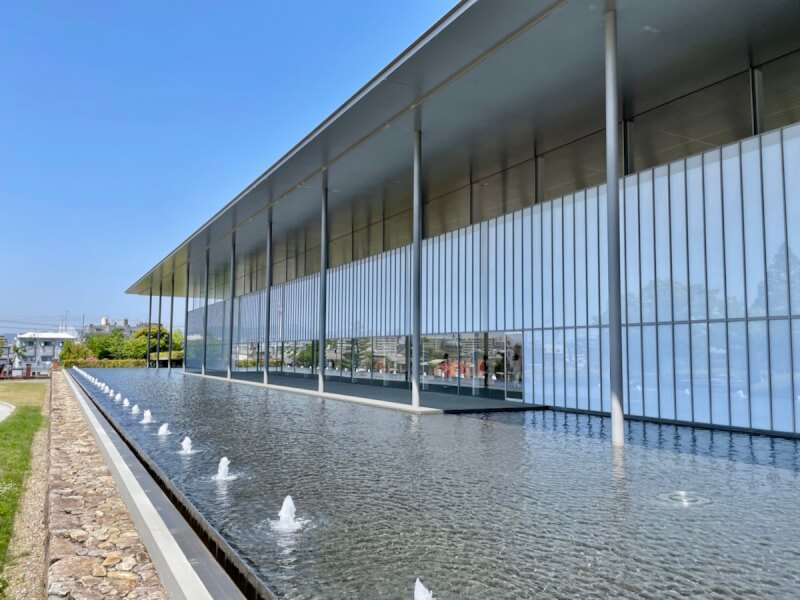
It seems the height of this deep eave was designed to align with the neighboring Meiji Kotokan.
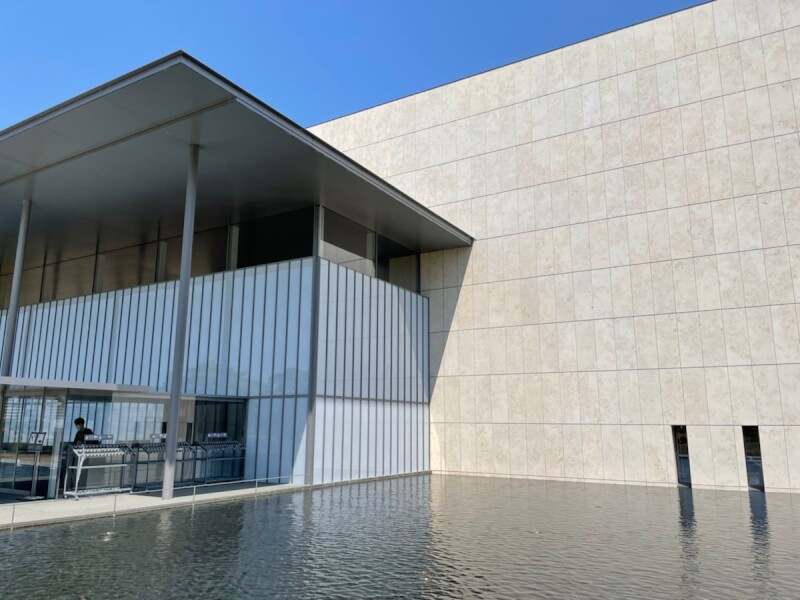
Because of its color palette and simplicity, it can feel like a Western building at first glance, but in fact the opposite is true: its long horizontal lines and those eaves are precisely expressions of traditional Japanese architectural elements.
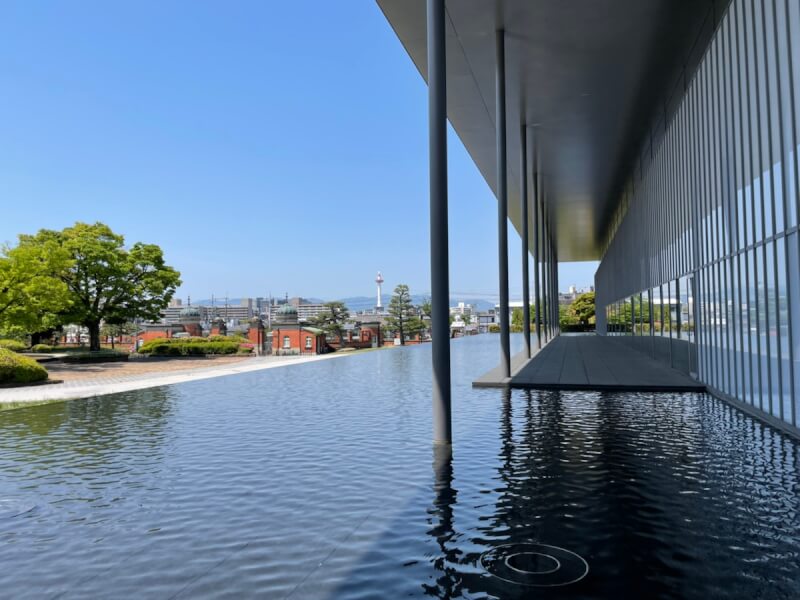
That’s why it feels like a perfect fit for Kyoto: a building that expresses Japanese tradition in a modern way, just as the name Heisei Chishinkan suggests. It’s good—really, really good.
A Bright and Spacious Interior
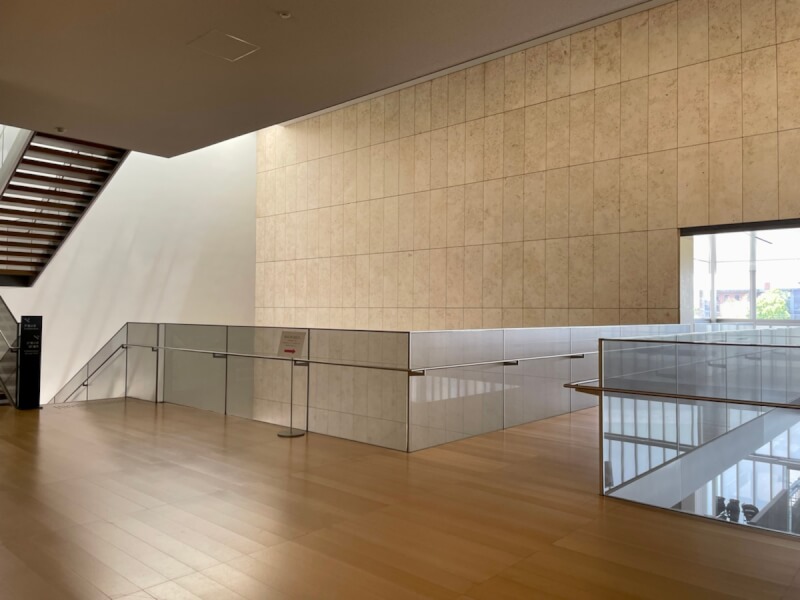
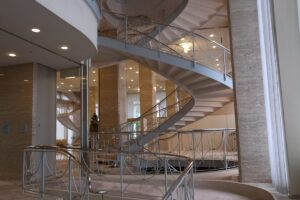
The interior is designed to bring in natural light, and every staircase and corridor looks cool.
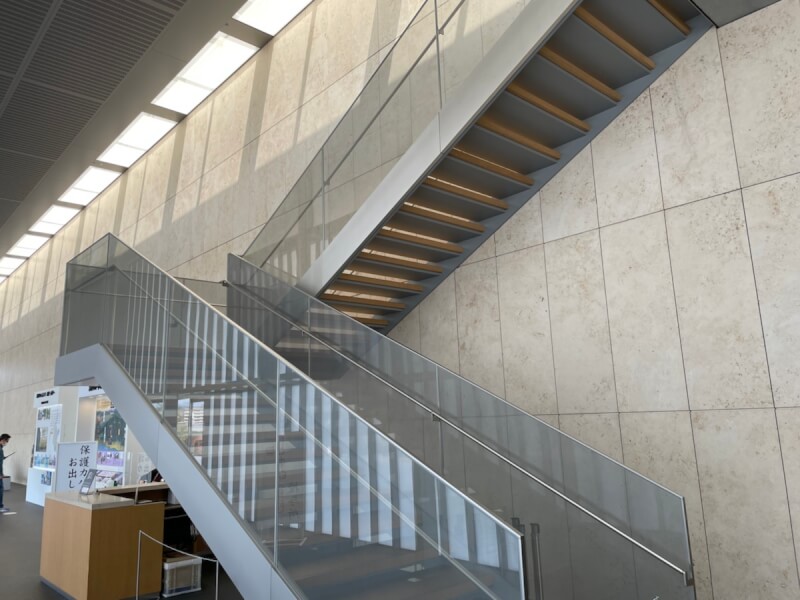
Taking a break in this open, beautiful space between exhibits makes it easy to turn back to the displays again afterward—with a laugh, since the galleries themselves are very dark.
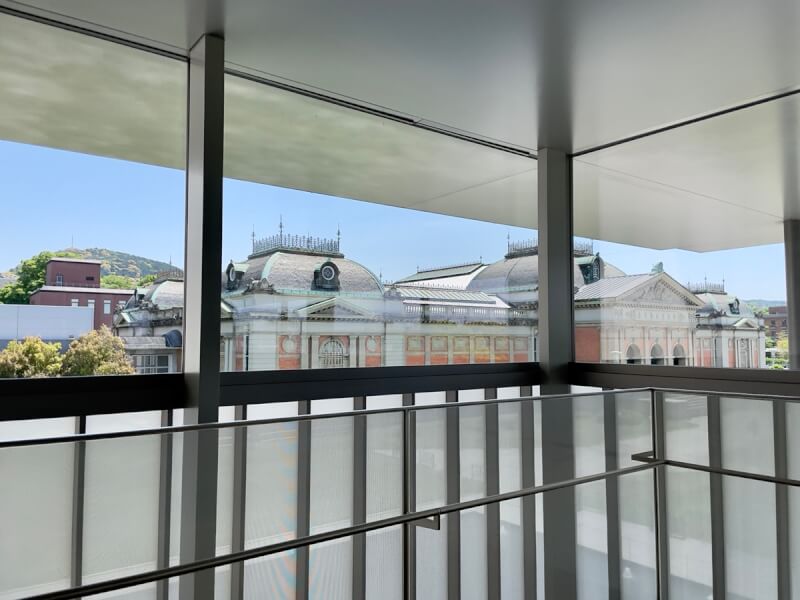
Here, the Meiji Kotokan seen through the window fits perfectly beneath the eave. The exhibits inside the galleries aren’t the only thing worth seeing—don’t miss the dialogue between these two contrasting buildings, because that feels like an exhibit in its own right.
I do love an atrium. It also makes it instantly clear what floor you’re on.
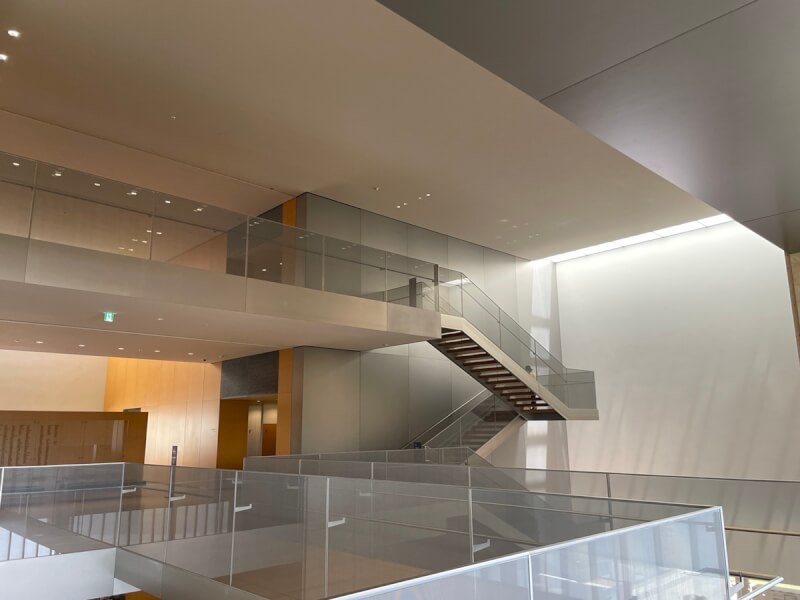
The wood-grain walls, the transparent glass, and the stainless-steel walkways all work in harmony, and I love that.
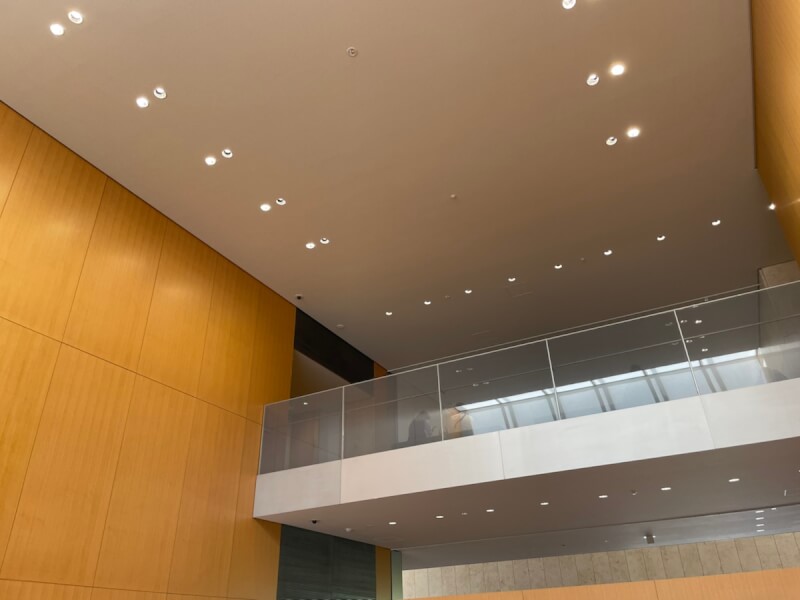
Photos aren’t allowed in the galleries, but those spaces are thoughtfully designed too, from the lighting to the display cases. It really felt like a national museum in the best sense—full of serious effort and care—and I thought it was excellent.
Two Different Kinds of Japaneseness
This photo was taken from a spot where you can view both the Meiji Kotokan and the Heisei Chishinkan together. The Meiji Kotokan was built in a Western style as Japan sought to catch up with the West, while the Heisei Chishinkan reexamines Japanese tradition and expresses it anew.
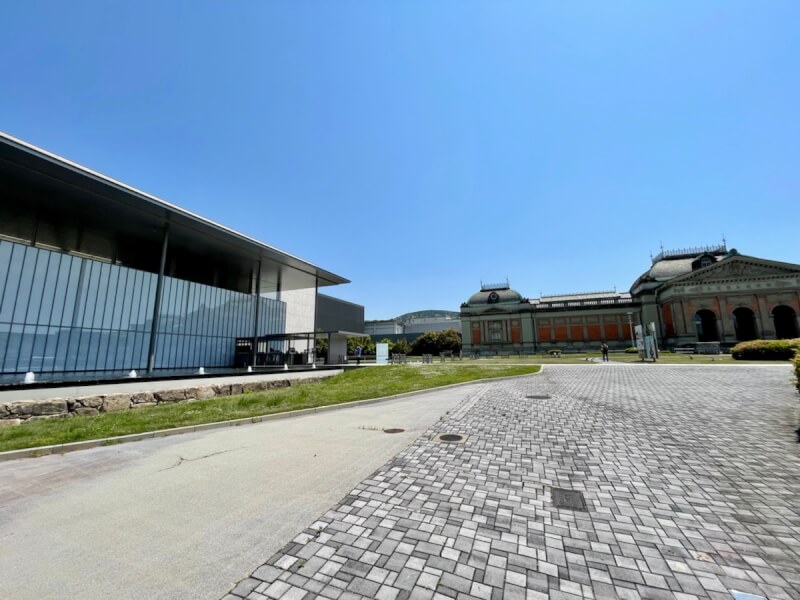
Both are unmistakably Japanese. Thinking that, I left the museum behind.
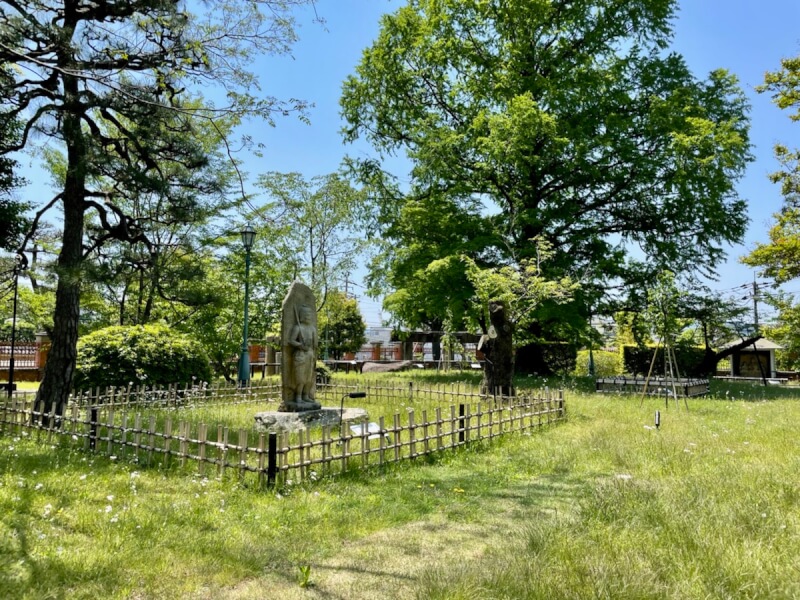
There were also a few exhibits in the garden, so I took a look before leaving.

Comments