
Taking the Train to Oyamazaki
To the Asahi Group Oyamazaki Villa Museum of Art, Beautiful in the Fresh Green of Early Summer
After lunch near the Kyoto National Museum, I headed a little farther out to the Asahi Group Oyamazaki Villa Museum of Art.
First, I took the Keihan Main Line from Shichijo Station, the nearest station to Sanjusangendo, to Yodo Station.
Yodo Station, the nearest station to Kyoto Racecourse, was quite an impressive station, but because the racecourse is currently undergoing major renovation work, there was hardly anyone there…
From there, I thought I’d continue on to Oyamazaki, where the museum is located… but there was so little around the station that no taxis were coming at all!!! I waited about 15 minutes before one finally showed up.
Once I got in the taxi, I arrived in about 15 minutes, but the risk of not being able to find a taxi is pretty high, so I’d recommend going via JR Yamazaki Station or Hankyu Oyamazaki Station instead… (Apparently it’s a 1 hour 8 minute walk from Yodo Station according to Google. No chance.)
The museum sits up on a hill, but taking a taxi lets you skip almost all of that and go straight to the entrance. It’s quite a steep slope, so if you don’t feel like walking, there’s a free shuttle bus from Oyamazaki Station and Yamazaki Station.
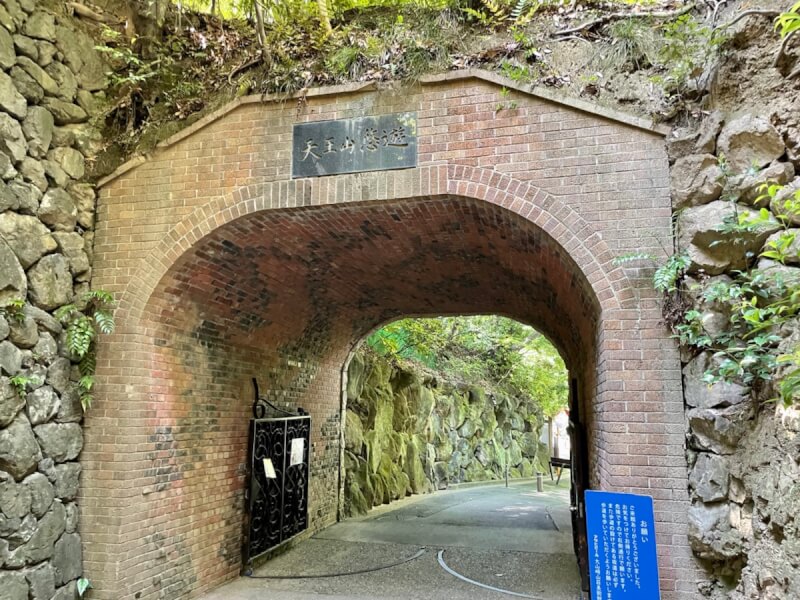
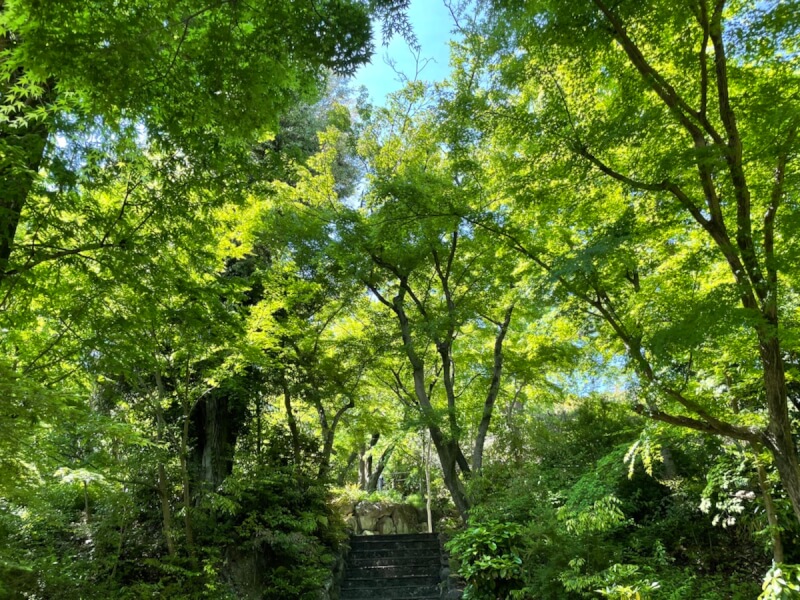
Even after getting out of the taxi, there’s still a bit of uphill walking. The fresh greenery was beautiful, and I couldn’t help thinking what a wonderful season this was to visit.
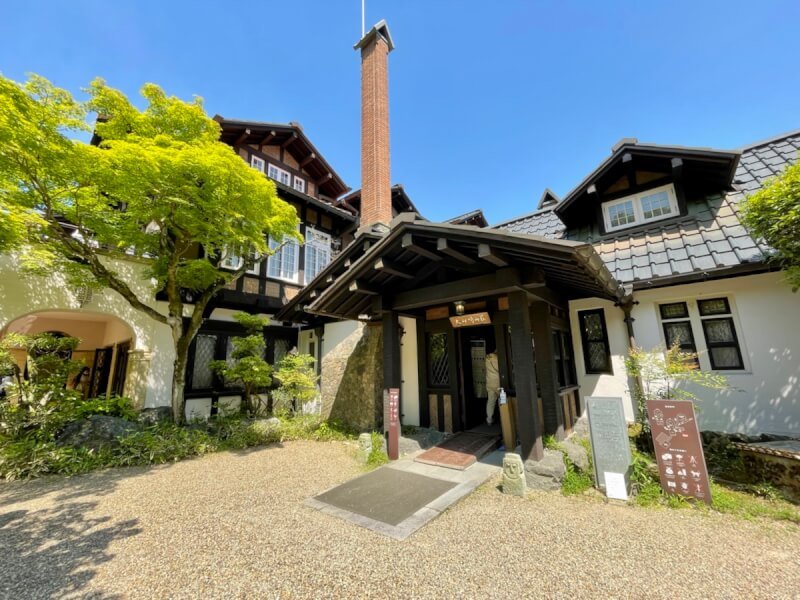
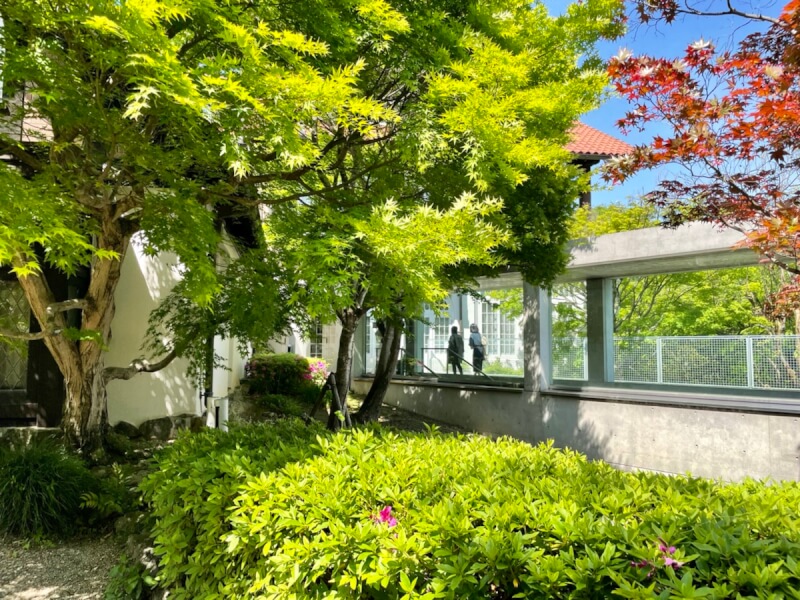
After putting any large luggage, including backpacks, into a locker at a hut along the way, you’re almost there. What came into view was a wooden villa alongside concrete architecture.
A Wonderful Museum Built Around a Historic Villa
I imagine a lot of people might wonder: why is there a museum sitting all by itself up on a mountain like this!? It was originally the villa of an industrialist named Shotaro Kaga. Based on what he had seen and experienced while spending time in Europe in his youth, he designed it himself. It is said to have been completed around 1937 (Showa 7).
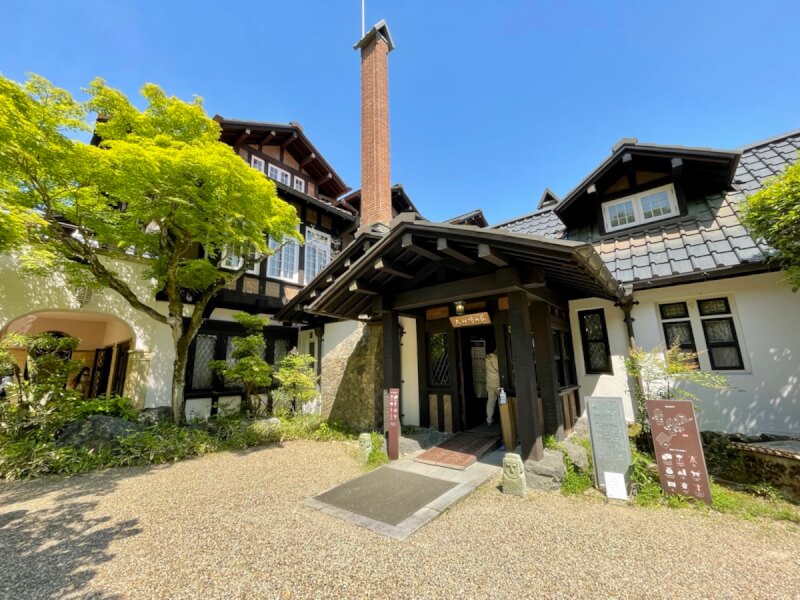
As time passed, there was apparently even talk of redeveloping the site into apartments, but in response to requests from the local community, Asahi Beer, which had ties to Shotaro Kaga during his lifetime, restored the villa and reopened it as an art museum in April 1996… It’s quite a moving story.
Of course, it is an art museum, so there are exhibits to see, but one of its real charms is being able to appreciate the building itself and how beautifully it harmonizes with the surrounding nature.
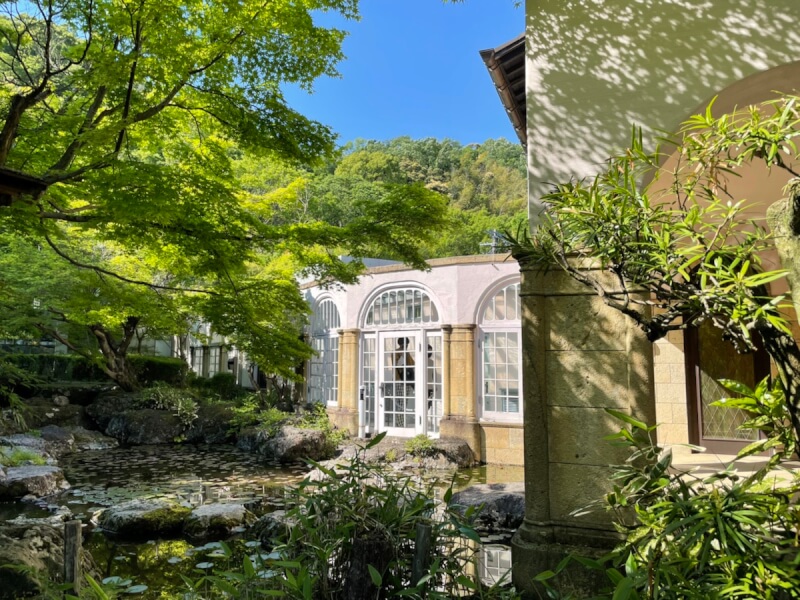
Museum spaces designed by Tadao Ando were added on both sides of the villa, and needless to say, those are highlights as well.
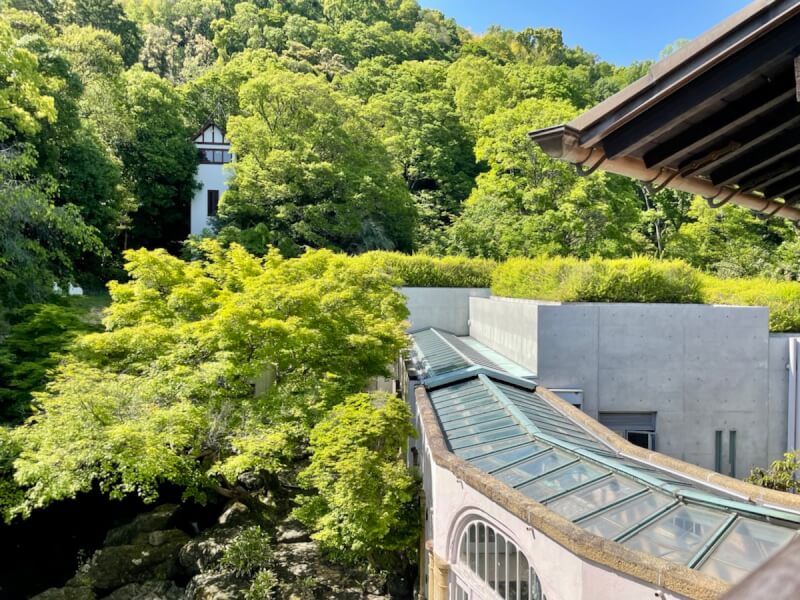
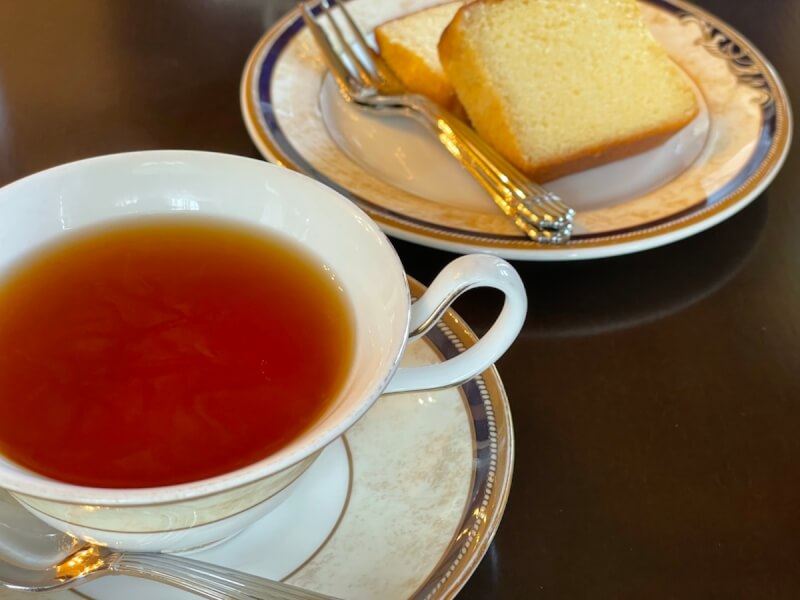
There’s also a cafe in the villa, and the view from the terrace is excellent.
According to the guidebook of the Asahi Group Oyamazaki Villa Museum of Art, Shotaro Kaga decided to build his villa in Oyamazaki, where the Kizu, Uji, and Katsura Rivers meet, inspired by the flow of the Thames he saw when he visited Windsor Castle in England.
The Expanding World of Tadao Ando
Let me also introduce the Tadao Ando architecture that was added onto the villa. This is the “Underground Jewel Box,” which was built when the museum first opened.
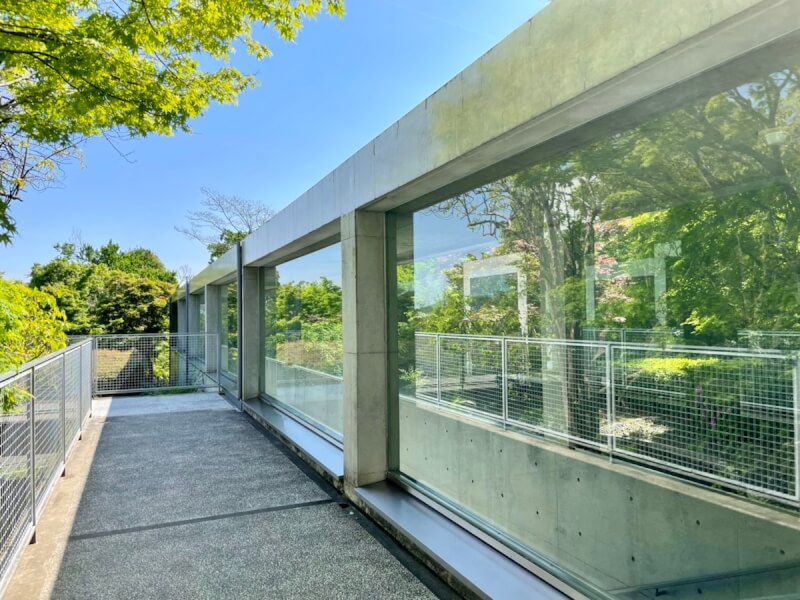
To avoid disturbing the villa’s scenery, the exhibition space was built at a lower level than the villa itself. It really feels like classic Ando architecture. You go in by descending stairs like these.
View this post on Instagram A post shared by Asahi Beer Oyamazaki Villa Museum of Art (@asahibeer.oyamazaki)
This is what the staircase looks like from outside. Water flows quietly here.
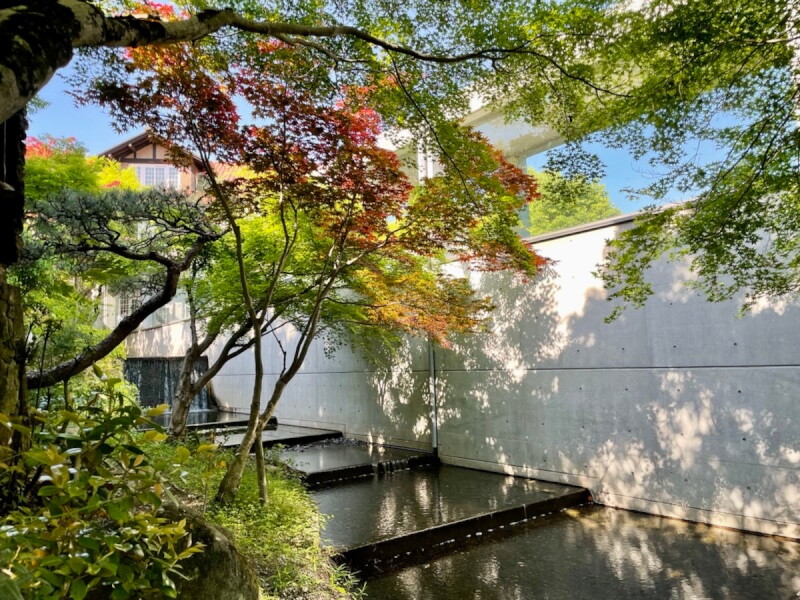
Ando architecture blending into the mountain. The staircase is what you can see beyond the glass.
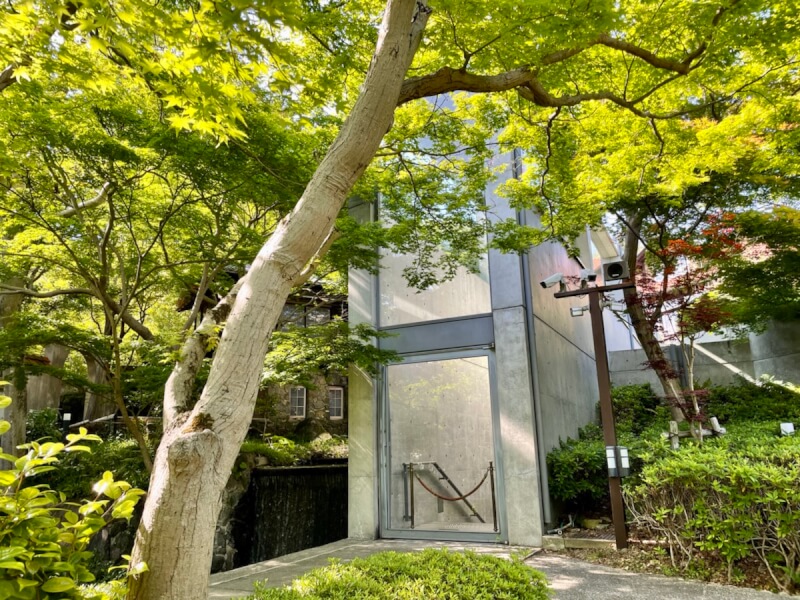
What’s exhibited in the “Underground Jewel Box” is Monet’s Water Lilies. Wait, Monet’s Water Lilies in an underground gallery? That sounds strangely familiar…
https://tikikiti.jp/fukuhomu/10367.html
It was a bit far, but it was a very good museum.


Comments