
To BIWAKO Biennale 2025 “Flux”
An Art Exhibition Unfolding Across the Town of Omihachiman
The main purpose of my trip to Shiga was to visit the art exhibition BIWAKO Biennale 2025 (Flux). The BIWAKO Biennale is an international art festival that has been running since 2001. I’d been going to Osaka more often because of Expo 2025, and after seeing an ad for it on my phone, I decided to make the trip.
I’ve also visited art festivals like the Echigo-Tsumari Art Triennale, the Venice Biennale in Italy, and, a little while back, the Setouchi Triennale. Part of it is just my curiosity for these high-profile events, I suppose, but one way or another I’ve ended up experiencing quite a few art festivals.
This time, the setting is Omihachiman in Shiga Prefecture. What kind of experience awaits?
Starting at the Former Ban Family Residence
To see the exhibitions, you need to buy a passport. They’re sold at three locations, including one near Omihachiman Station. One of those locations is the Former Ban Family Residence, which you could call the heart of sightseeing in Omihachiman.
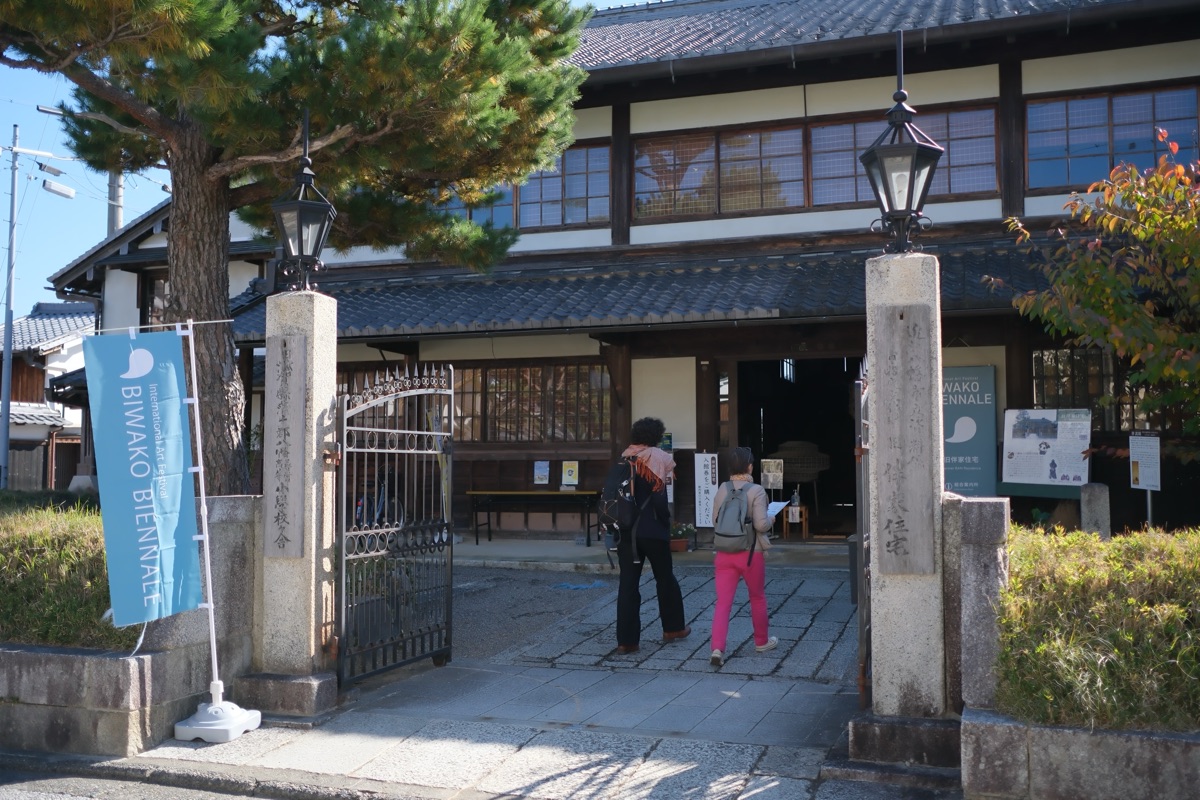
Outside the biennale period, the Former Ban Family Residence operates as a museum. When I arrived first thing in the morning, I noticed quite a few Expo fans wearing Myaku-Myaku goods. This is where we started our art-hopping for the day!
Art Experienced Together with the Town and Its Buildings
One of the great pleasures of this kind of art festival is seeing works installed within existing townscapes and buildings, and enjoying the dialogue between the art and the space around it. Unlike a so-called white cube museum, it offers a more immersive, three-dimensional art experience.
In the grand hall of the Former Ban Family Residence, an Edo-period building, a work by Yoshiya Hongo drew the landscape of Lake Biwa into the space.
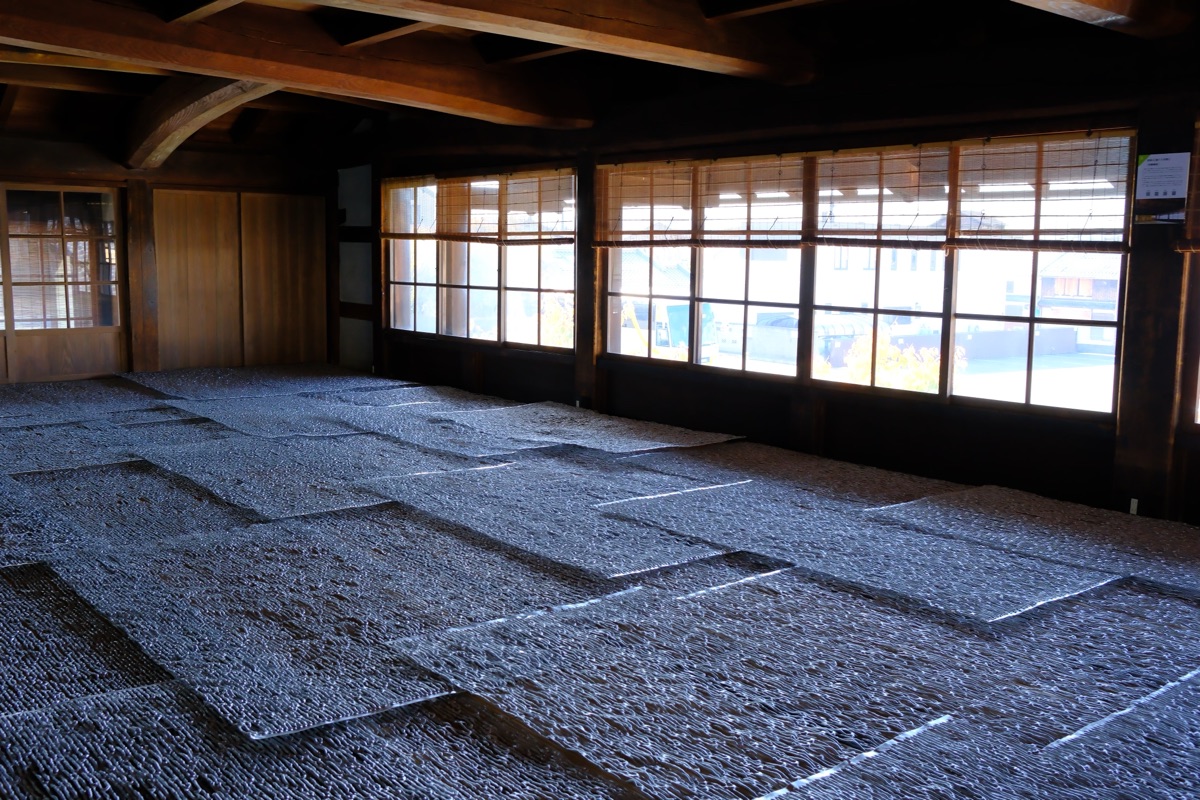
I heard that a Sagicho Festival float is usually displayed in the atrium, but SHU DA’s work transformed it into a space filled with an extraordinary atmosphere.
There are many works like this scattered around, so if you have the time, I’d recommend taking a few days to explore them. I limited myself to the old town area of Omihachiman and tried to see it all in one day, but even then I was cutting it close.
That Thing I Saw at the Expo
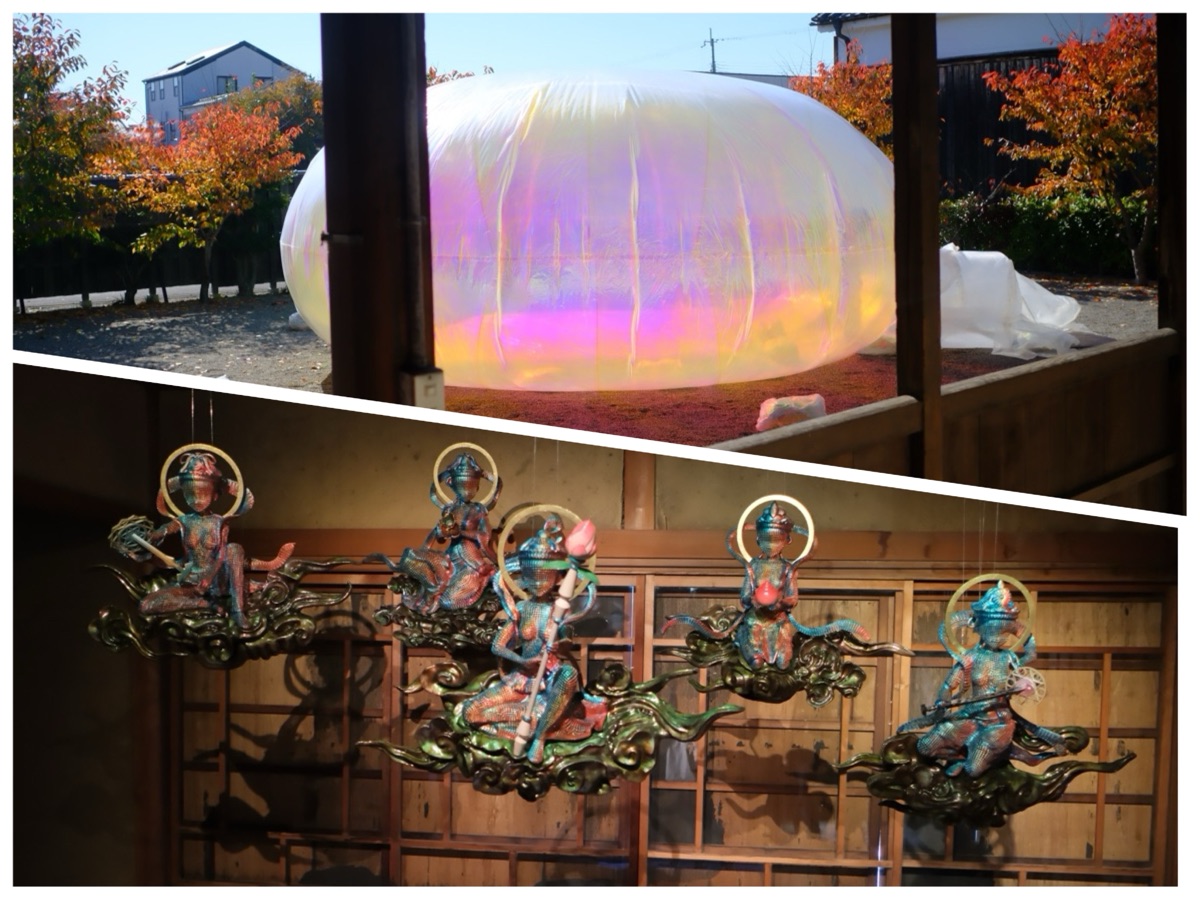
In a garden-like space, there was a work by Akihito Okunaka, the same artist whose work had also been exhibited at Expo 2025 Osaka, Kansai.
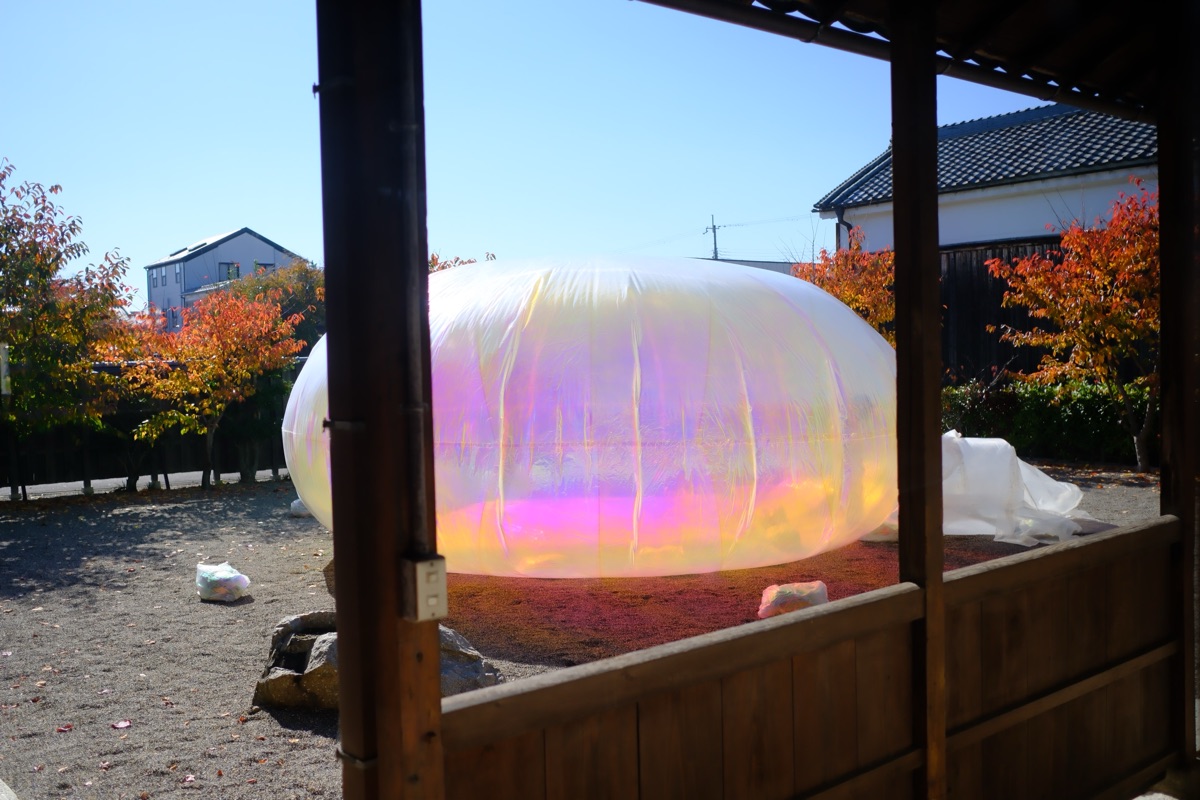
Expo 2025 Osaka, Kansai has already ended, but it also served as a venue for Osaka Kansai International Art Festival 2025, and various artworks were displayed there during the Expo period.
I didn’t get the chance to go inside this mysterious sphere at the Expo, but in Omihachiman I was finally able to make that wish come true! Since only a limited number of people can enter at once, I had to wait my turn. I set down my belongings, took off my shoes, and stepped inside.
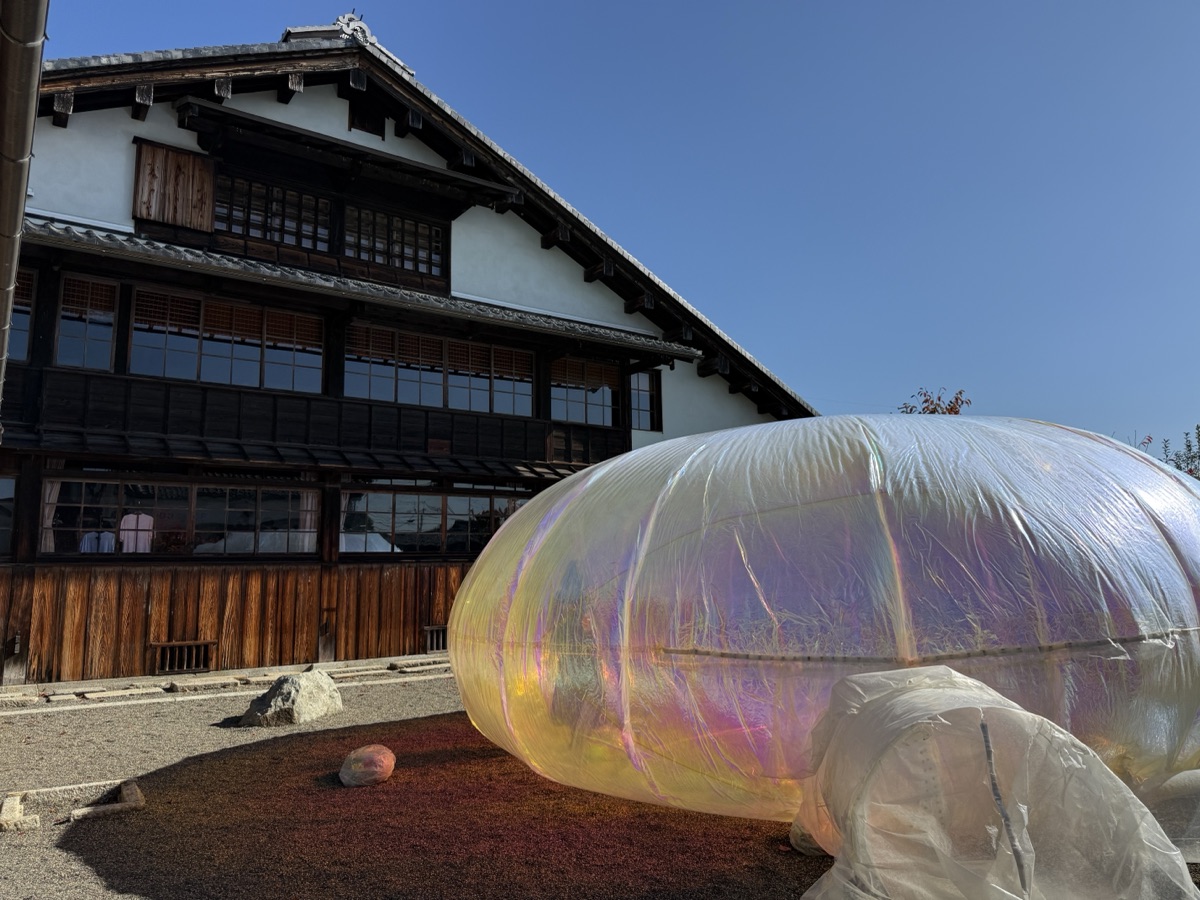
The floor was a waterbed, creating a strange space filled with a cool sensation and a gently floating feeling.
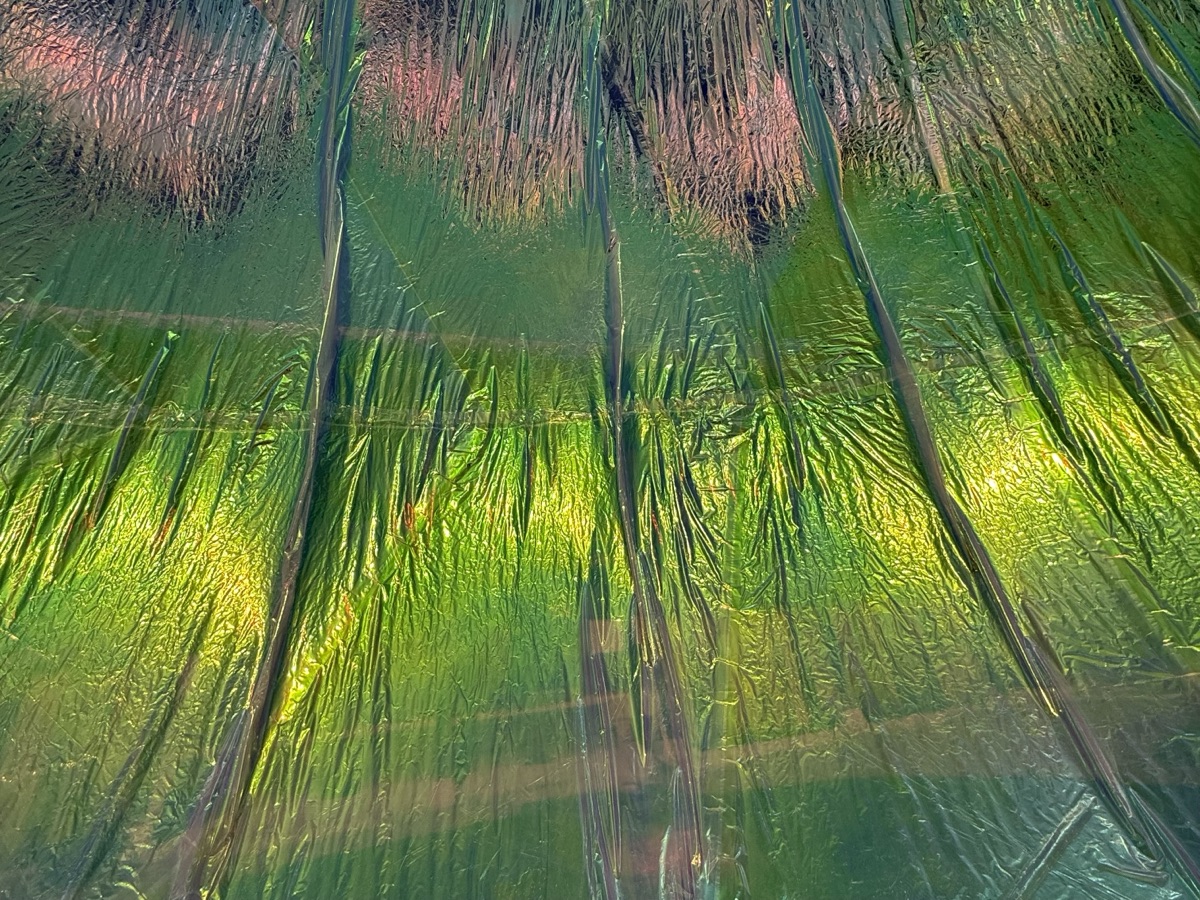
It was so comfortable that I wanted to stay there forever, but since other people were waiting, I left after a few minutes.
Exhibition Venues Scattered Throughout the Town
Former Nishikawa Family Residence (Important Cultural Property)
Next, I headed to the Former Nishikawa Family Residence.
From here on, I’ll introduce one or two works from each venue that especially stood out to me. If I tried to cover everything, I’d never finish… lol
The carefully maintained garden was beautiful, and the whole place had a calm, serene atmosphere.
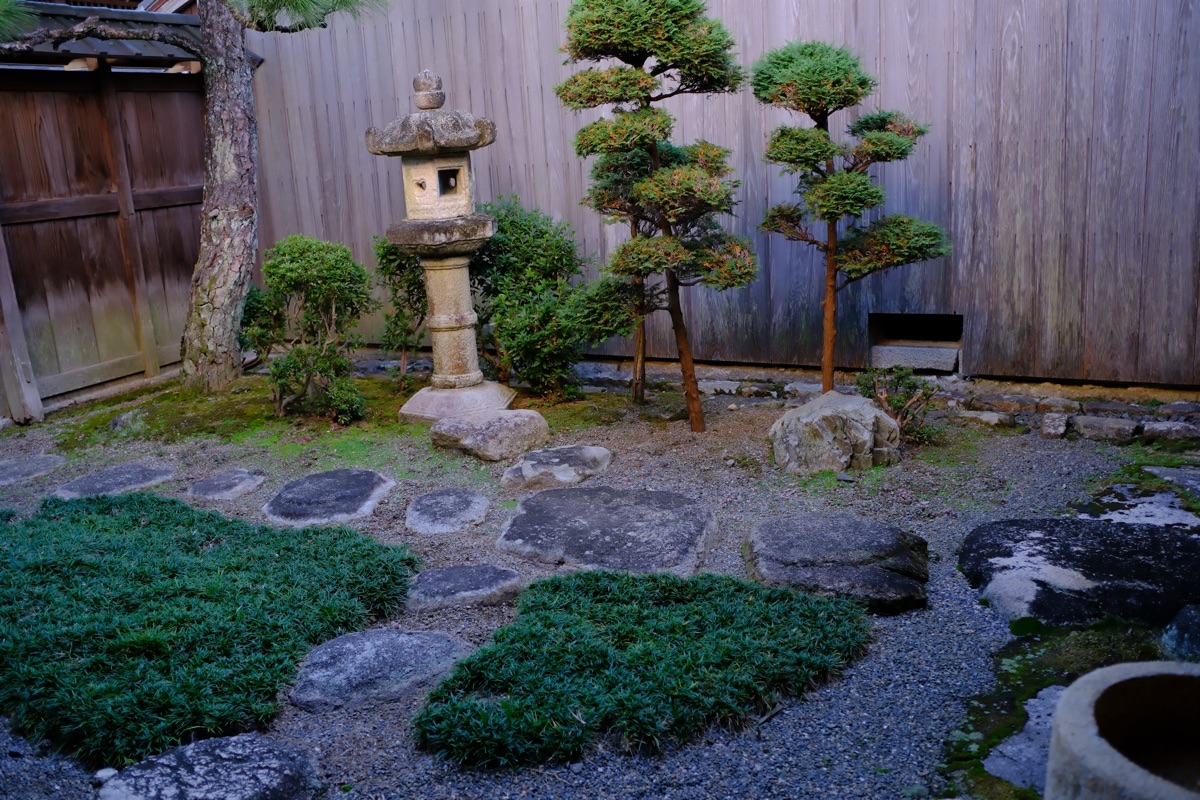
A work by Saki Moriyama was displayed in the tea room.
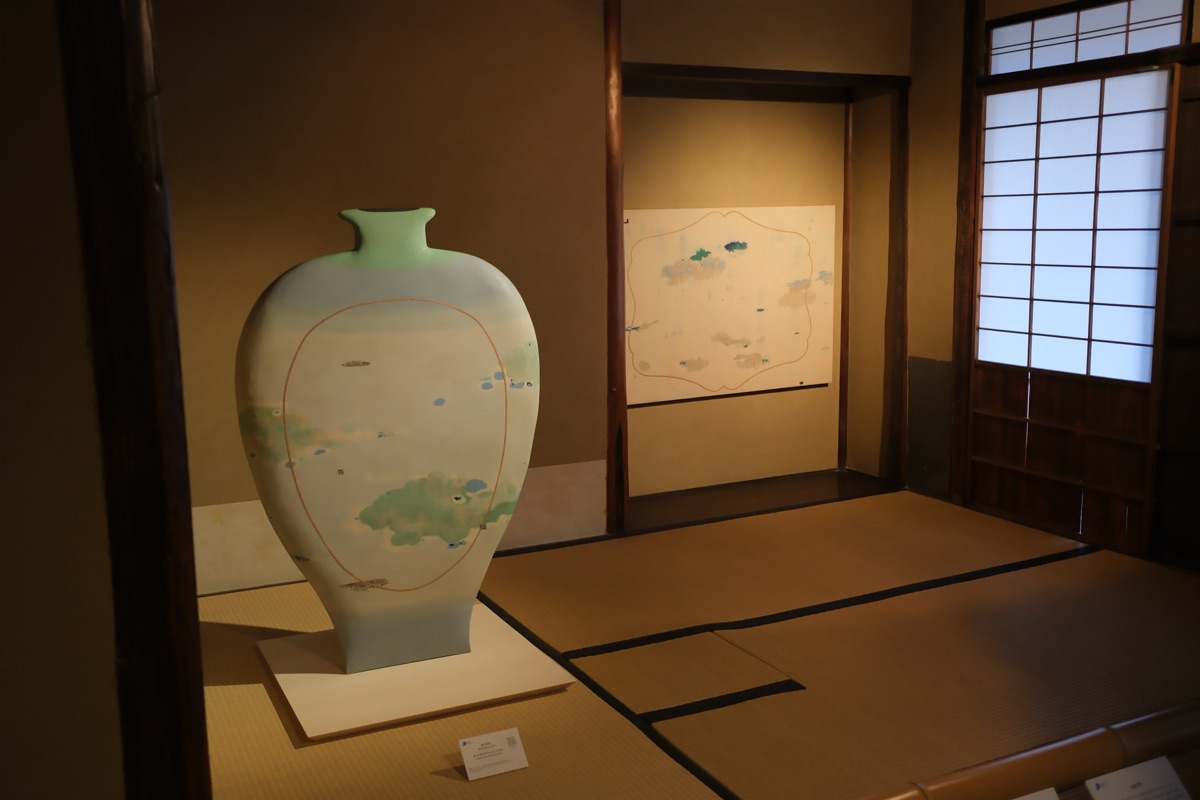
Nishikawa Shoroku Villa
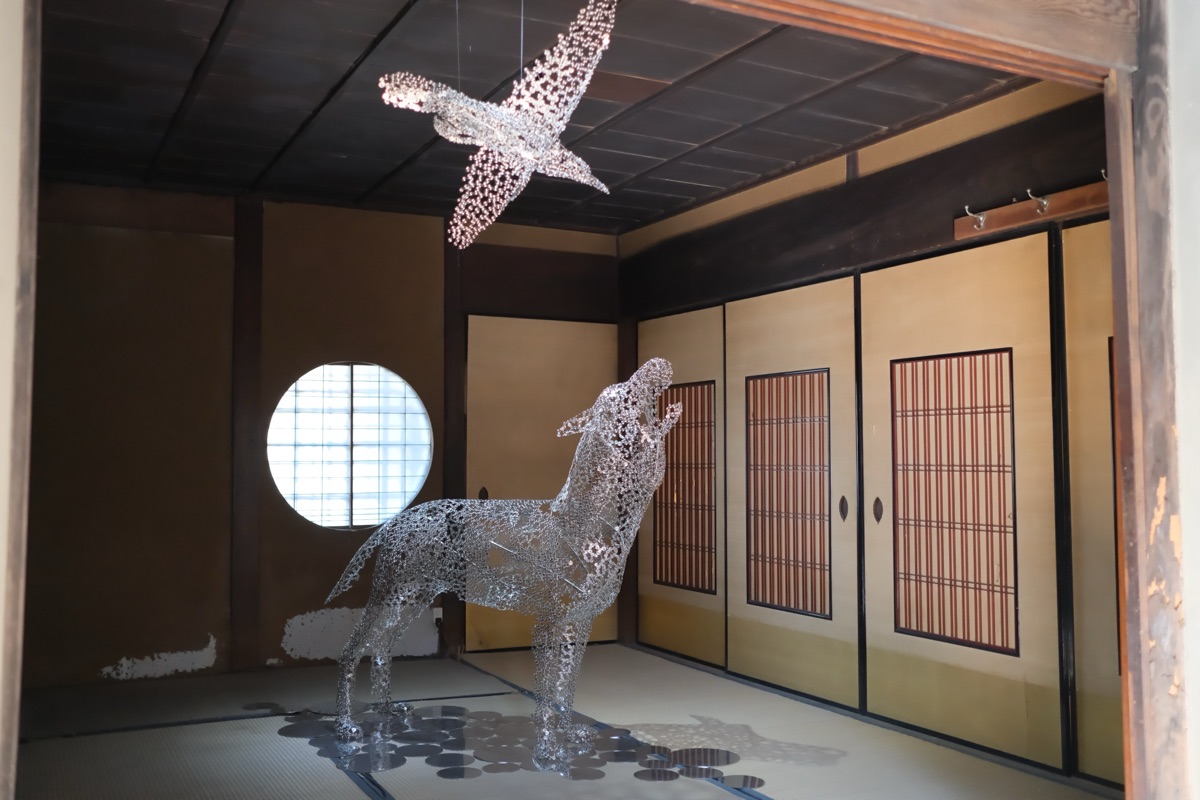
Next, I continued on to another merchant house.
The wolf piece by Yuji Nishijima, displayed in a Japanese-style room, was especially striking in the way it harmonized with the round window.
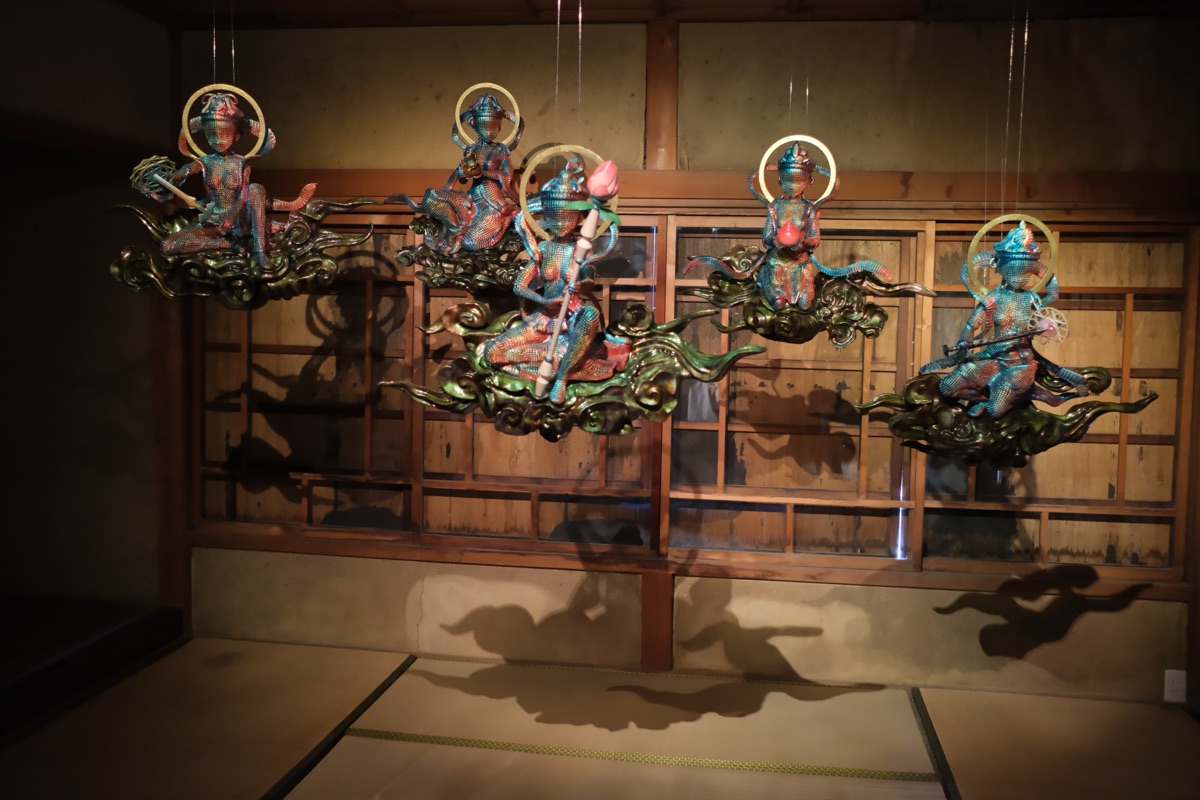
In a room at the top of a narrow staircase, Yudai Kitaura’s bodhisattva work was displayed as if floating in midair, which I found fascinating. The artist himself was there as well.
Tea Space Sara
With its ivy-covered exterior, Tea Space Sara looks at first glance like an ordinary home, but it is actually a facility housed in a 170-year-old building.
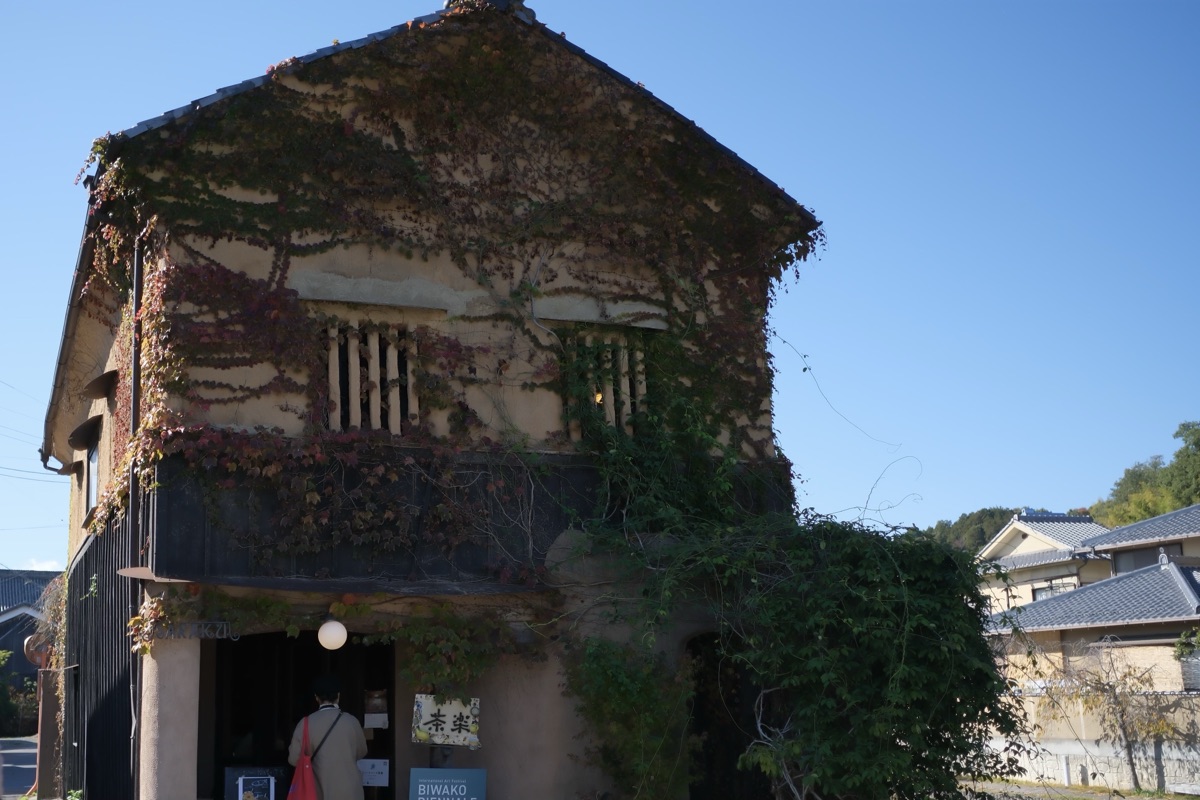
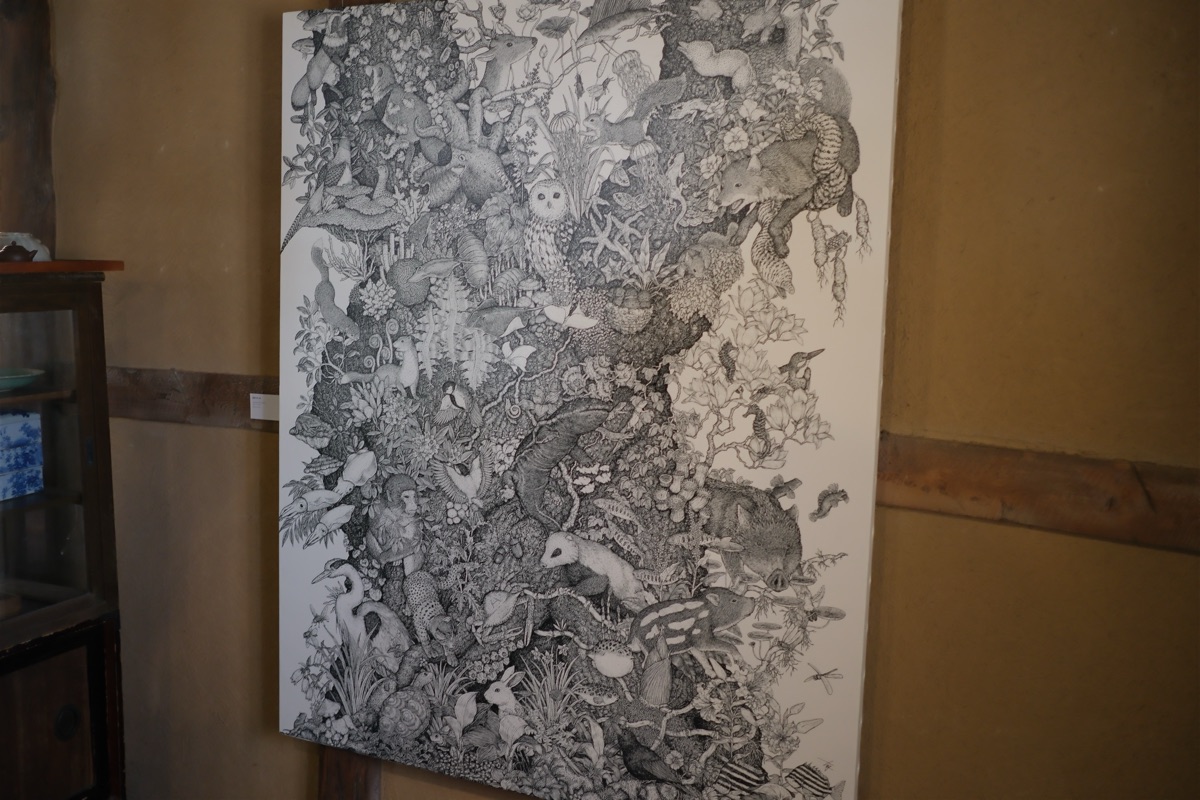
It operates as a café, but you can also visit just for the exhibition. I was particularly struck by Taimei Murayama’s work, with its intricate depictions of animals and plants.
Yukimura-tei Inkyo
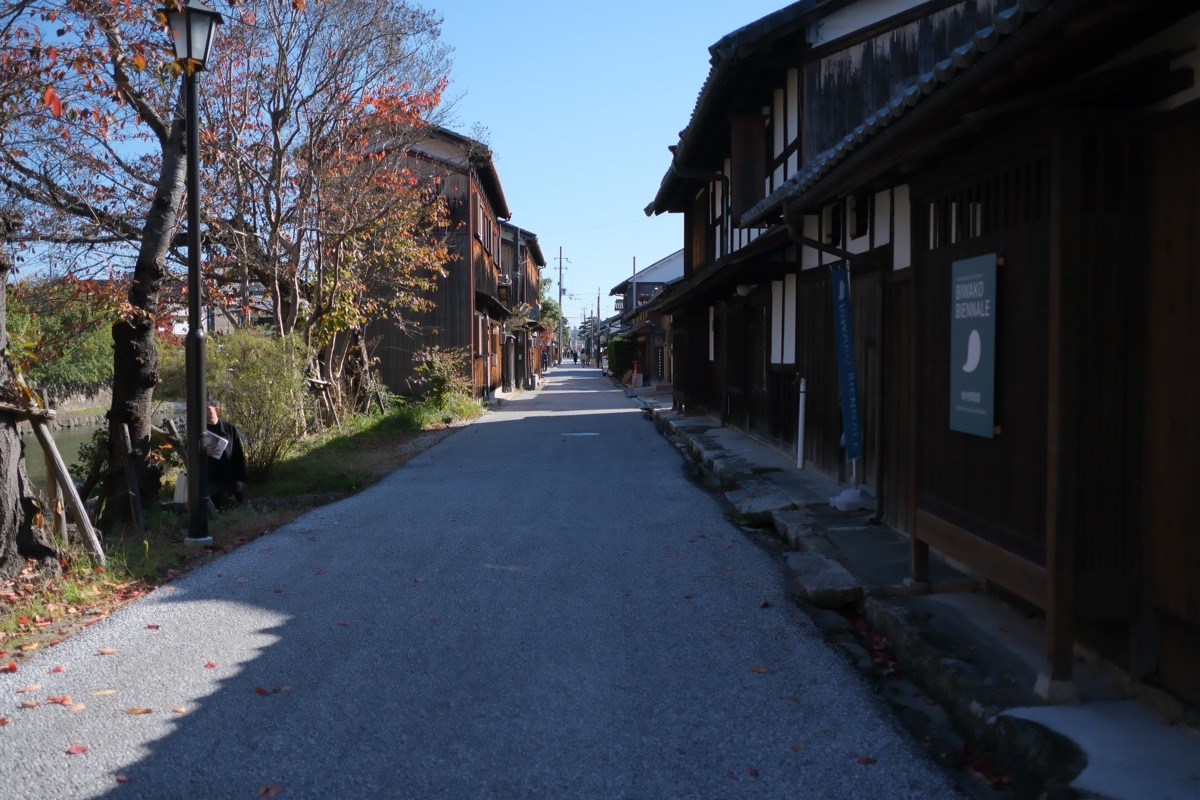
Yukimura-tei Inkyo is a building constructed in 1848, at the end of the Edo period.
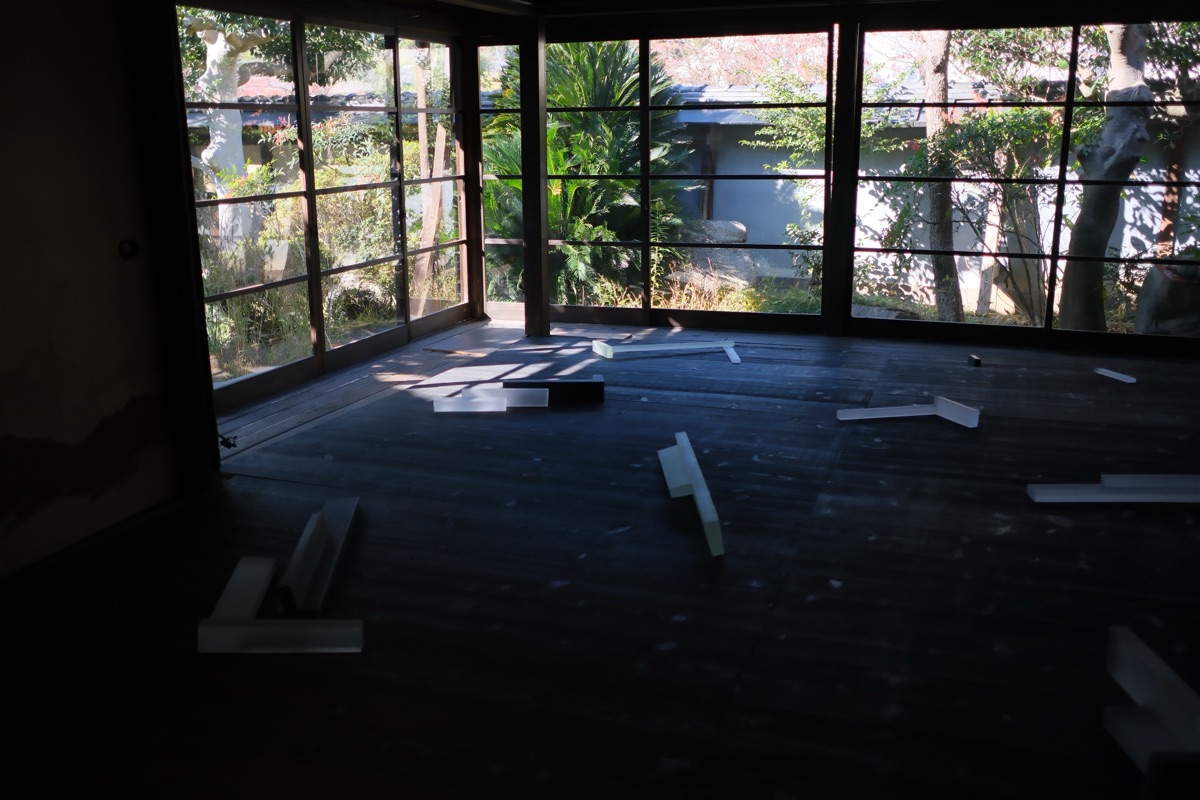
The space felt so timeworn that in places it almost seemed as though the floor might give way, but a work by Tsuyoshi Inoue was on display there, and it blended beautifully with that atmosphere.
Kaneyoshi Villa
Kaneyoshi Villa is owned by Kaneyoshi Yamamoto, a company known for selling Omi beef. While walking around Omihachiman, I also came across one of their actual shops.
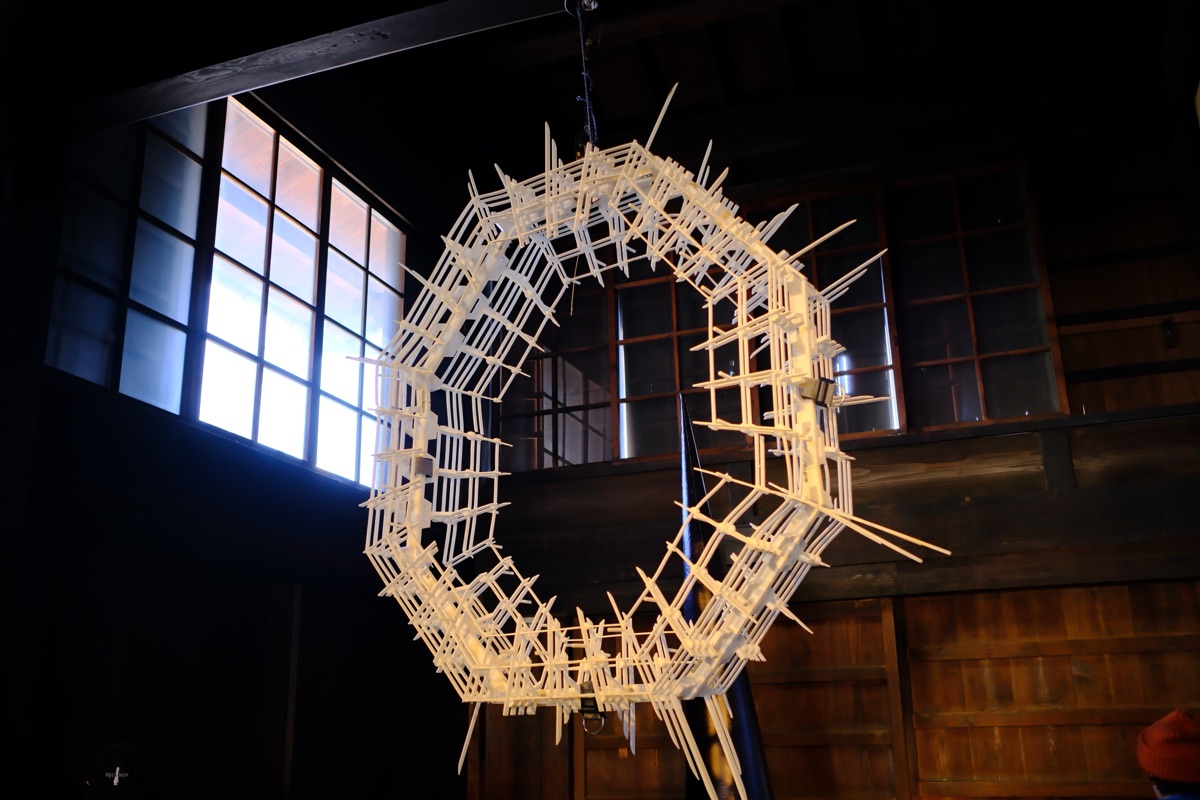
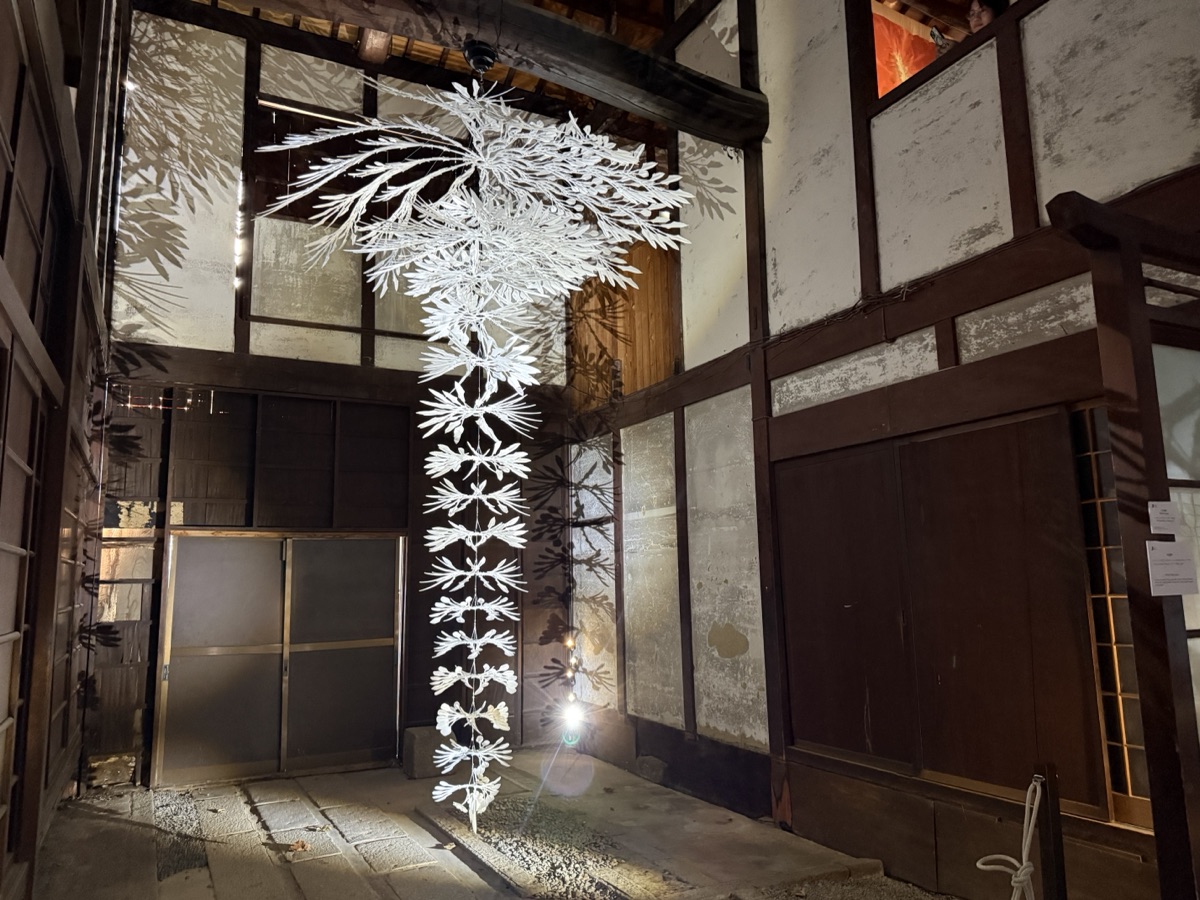
A lofty, open space was crossed by impressive beams, where a beautiful chandelier by Kosei Komatsu had been installed. The combination of traditional Japanese architecture and a work of light left a strong impression on me.
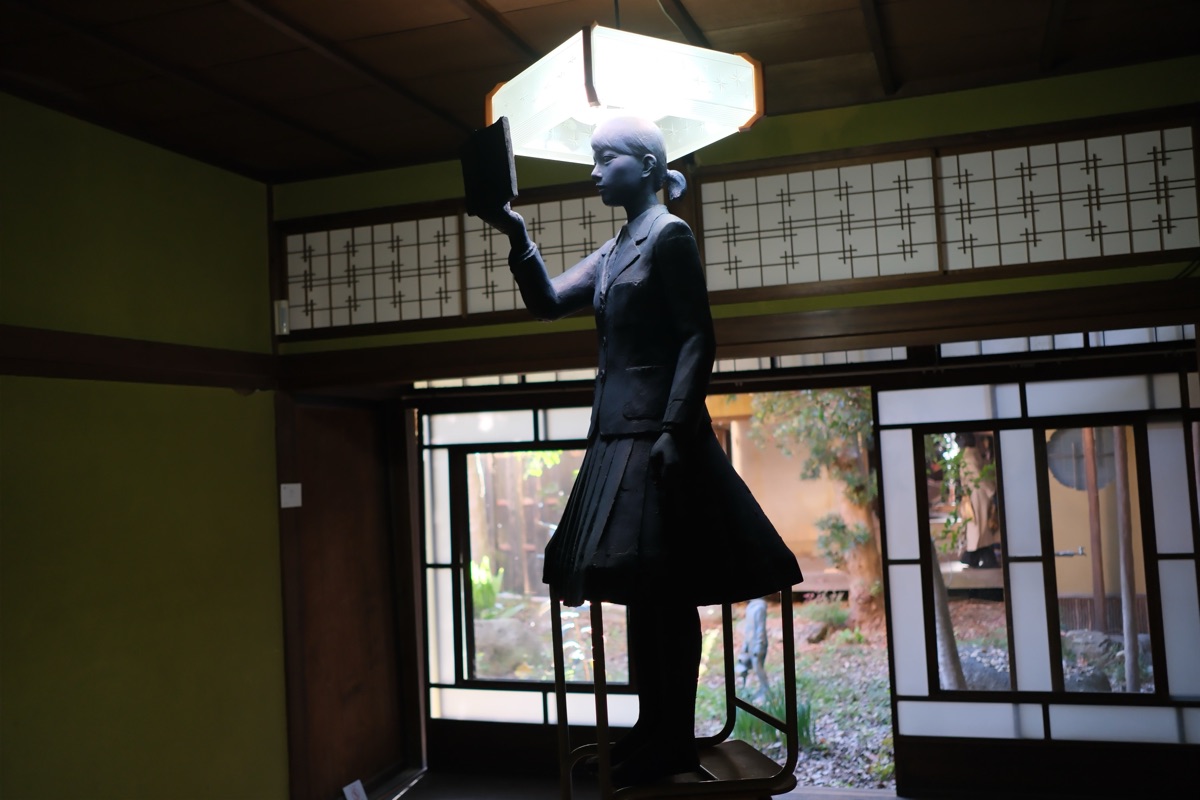
Several sculptural works by Yukihisa Ito were displayed in the tatami rooms, and the one that stayed with me most was a figure that looked like a high school girl standing just inches below a fluorescent light—slightly eerie, but memorable, lol.
Kicho
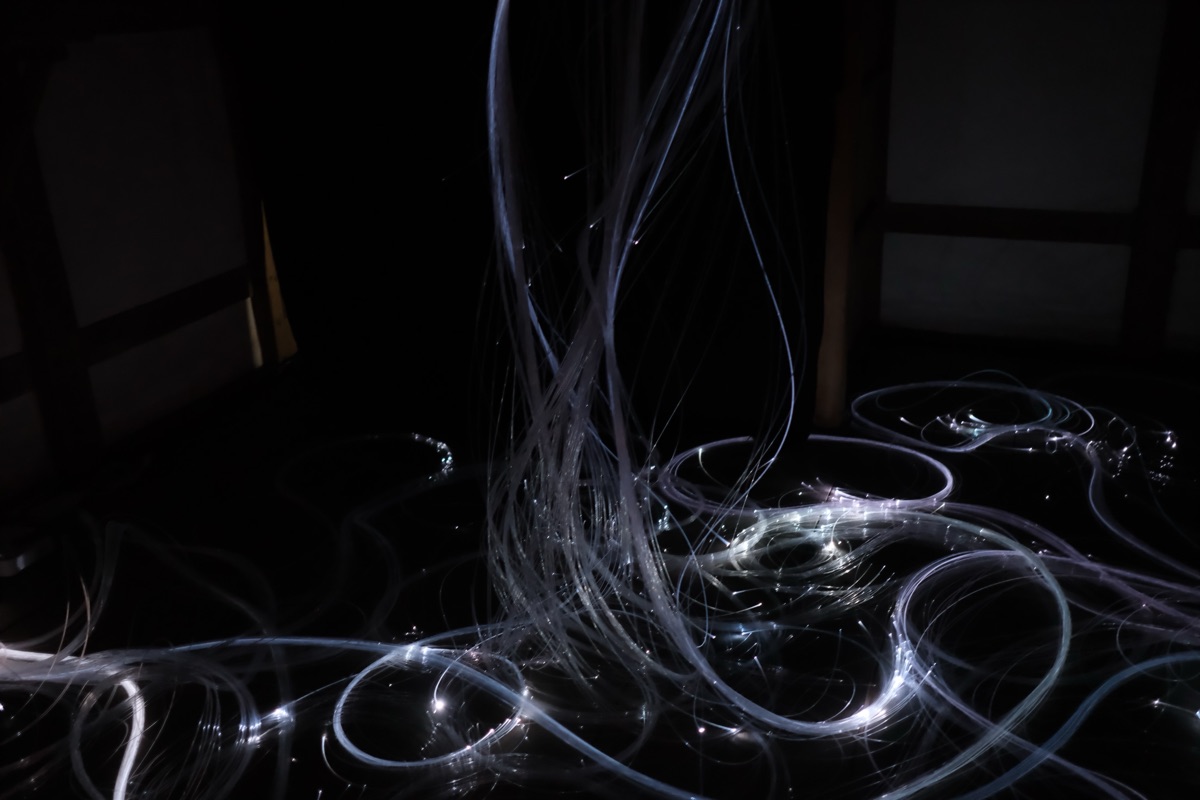
This site is made up of a garden and several buildings, but it too was originally used as a residence. I enjoyed being able to appreciate the artworks while moving through the different buildings—the walk itself was part of the pleasure.
The work that left the strongest impression on me there was by Kikoh Matsuura.
Former Ougiyoshi Moromi Storehouse
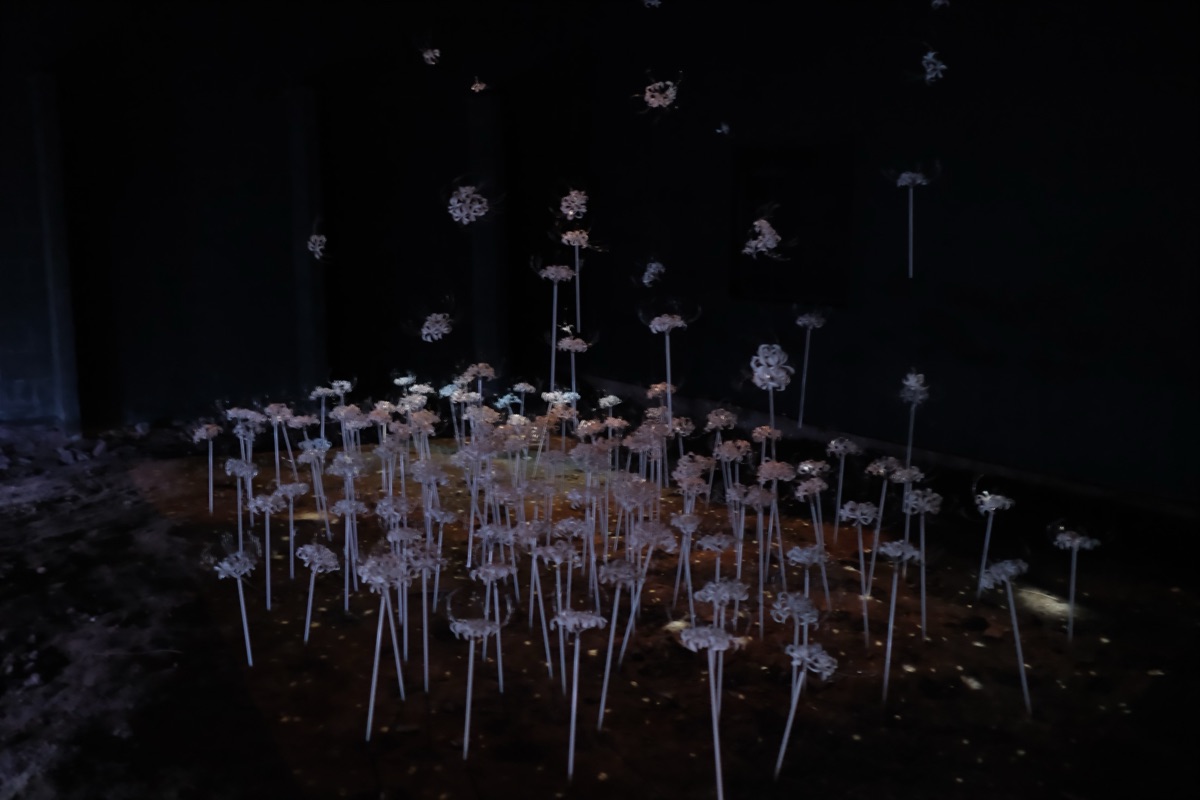
True to its name, this building was once used as a moromi storehouse. In soy sauce brewing, a moromi storehouse is an important space at the heart of the fermentation process.
Making use of that large interior, a dreamlike installation by saiho + Sayuri Hayashi Iguneru was on display.
Yamamoto House
The next place I visited, Yamamoto House, had been used not as a residence but as an inn. You could really feel that it was built differently from an ordinary home.
Makoto Egashira’s work, made by stitching together floral-patterned blankets, had a powerful impact.
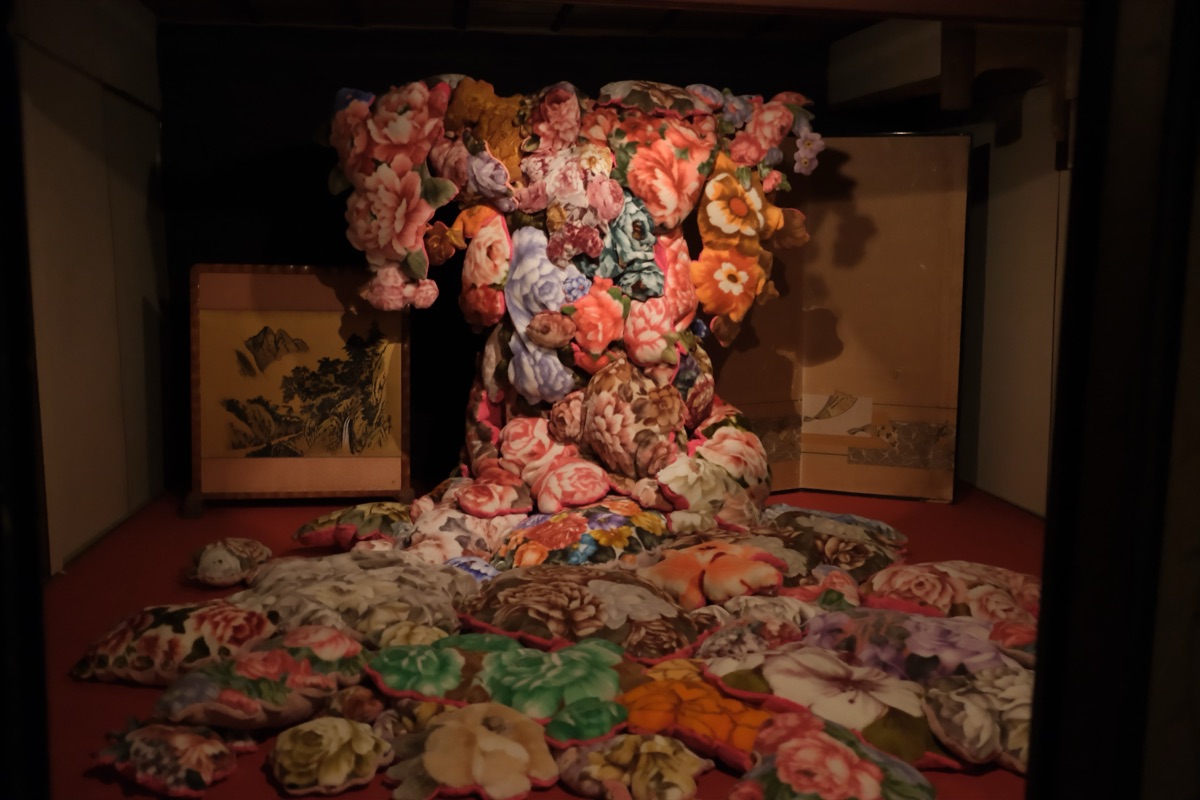
It reminded me of the floral blankets my grandparents used to have, which gave it a certain nostalgic feeling as well.
Machiya Club
The last place I visited was Machiya Club, a building repurposed from a sake brewery that remained in operation until 2008. Making use of the broad spaces unique to a brewery, it featured dynamic works on display.
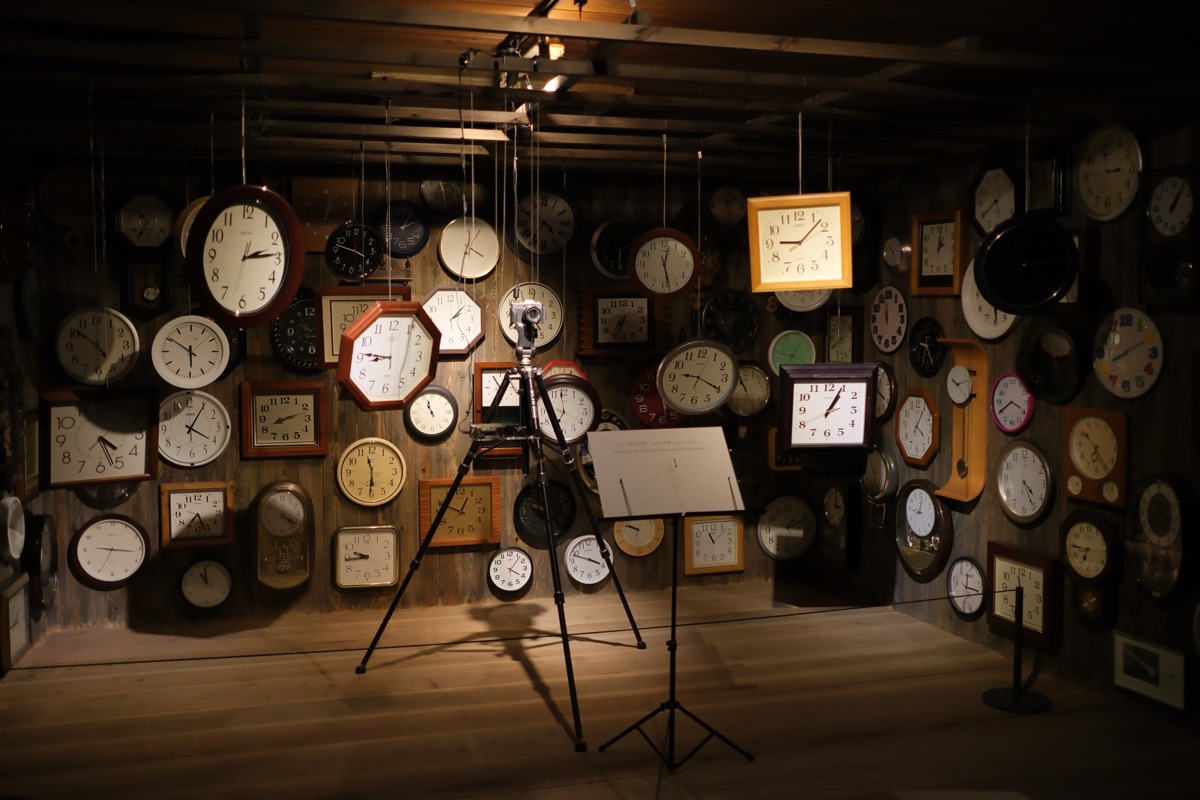
Masato Tanaka’s work had a mechanism where pressing the shutter button stopped every clock in the room, which I found especially memorable.
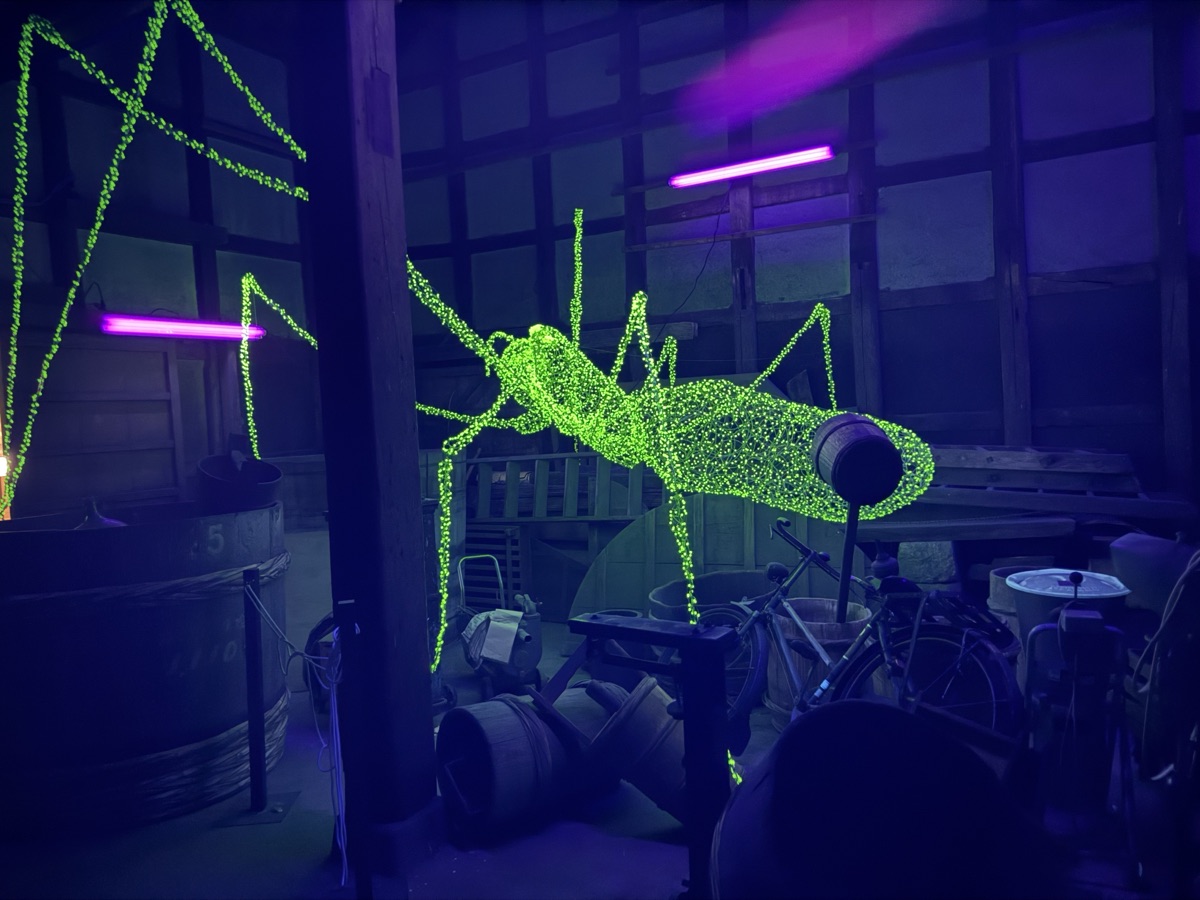
In a space that had once been used as a storehouse, a giant cloud work by Ken + Julia Yonetani was on display, and it felt as though I had stepped into an adventure.


Comments