
On My Final Day, I Headed to the Heijō Palace Site
It’s Incredibly, Ridiculously Vast!!! The Heijō Palace Site
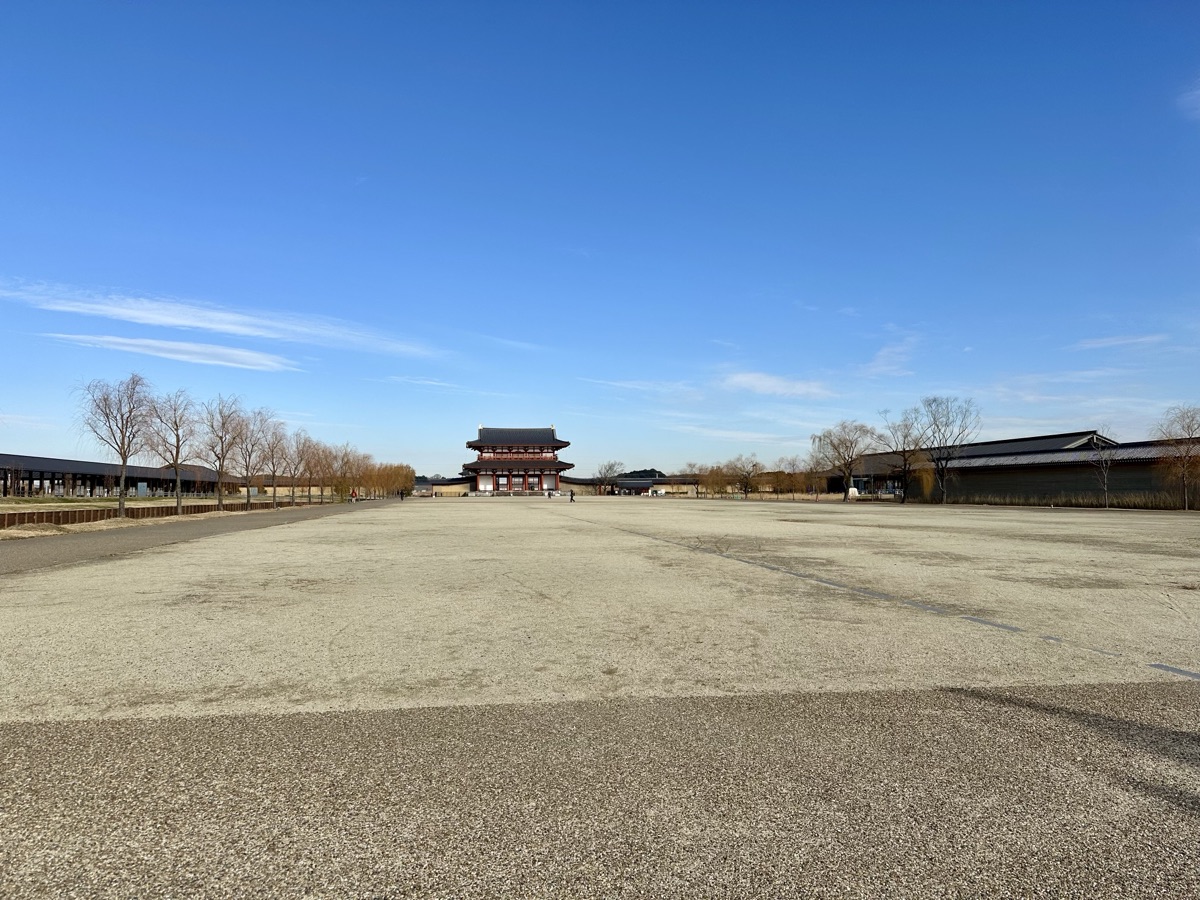
After leaving my luggage at the front desk, I took the loop bus over to the Heijō Palace Site. Once I got off and started walking around the ruins of Heijō Palace, what struck me was just how huge it was—and how few people were there, seriously. (This was on a Sunday.)
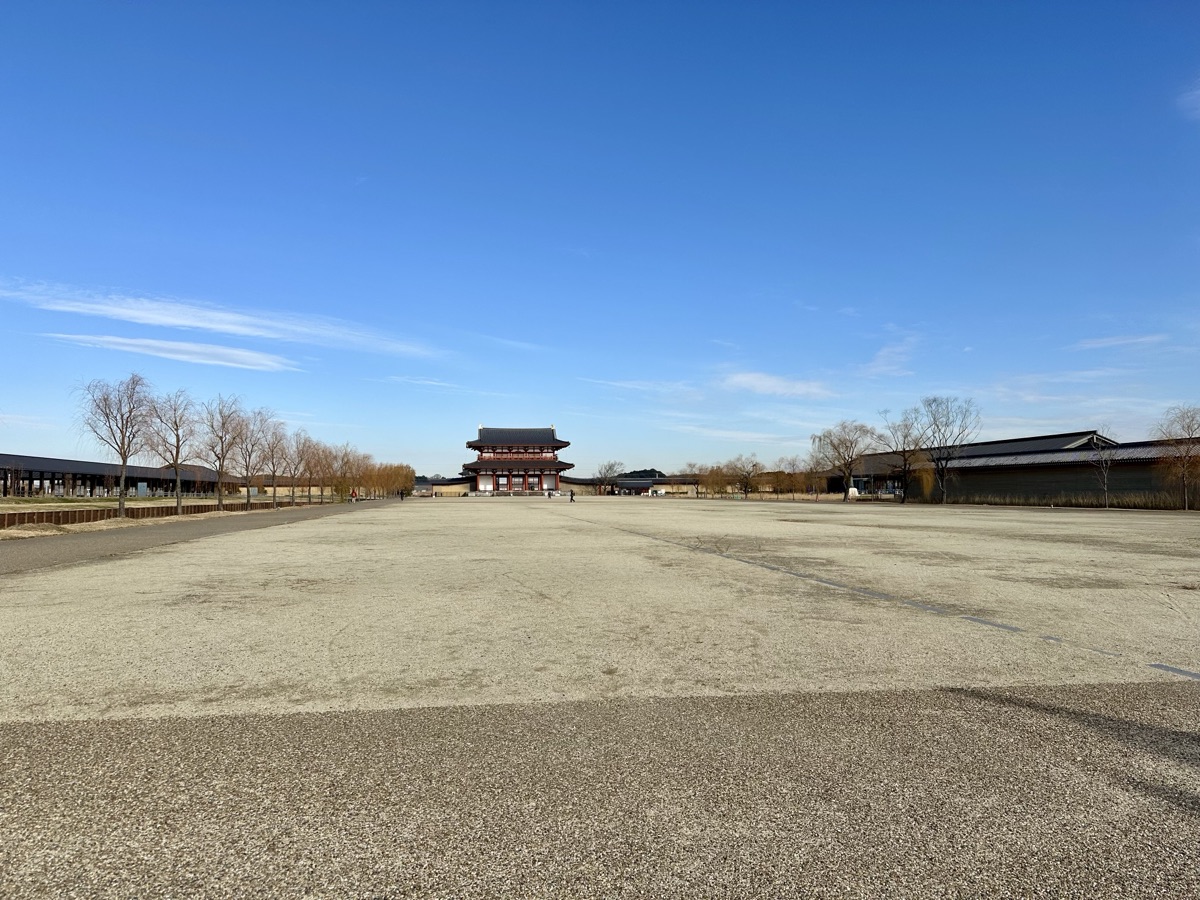
I learned that the land where Heijō Palace once stood had long been used as farmland. People had completely forgotten that the palace had ever been here, and it apparently didn’t become widely known again until the late Edo period. It sounds like something out of fiction.
Because it remained farmland for so long, almost no buildings were constructed here.
Suzaku Gate
The Heijō Palace site is being gradually developed, and several buildings have been reconstructed. The first place I walked to was Suzaku Gate, which was restored in 1998 as the entrance gate to Heijō Palace.
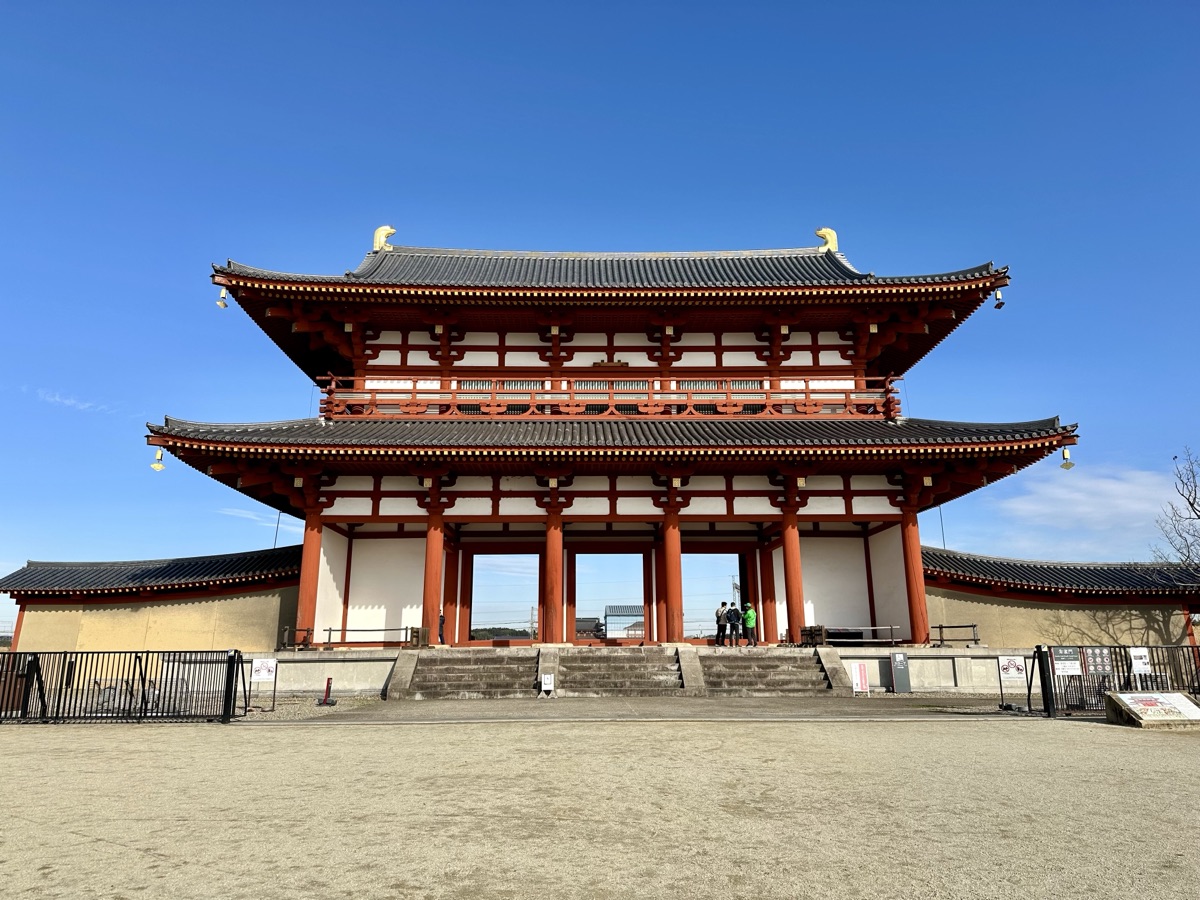
Heijō Palace was the political heart of Heijō-kyō. The easiest way to picture it is as a complex where the imperial residence and government offices were gathered together. Suzaku Gate was its main gate.
Once I passed through Suzaku Gate and entered the palace grounds, a train cut straight across the site. It was the sightseeing train Aoniyoshi!
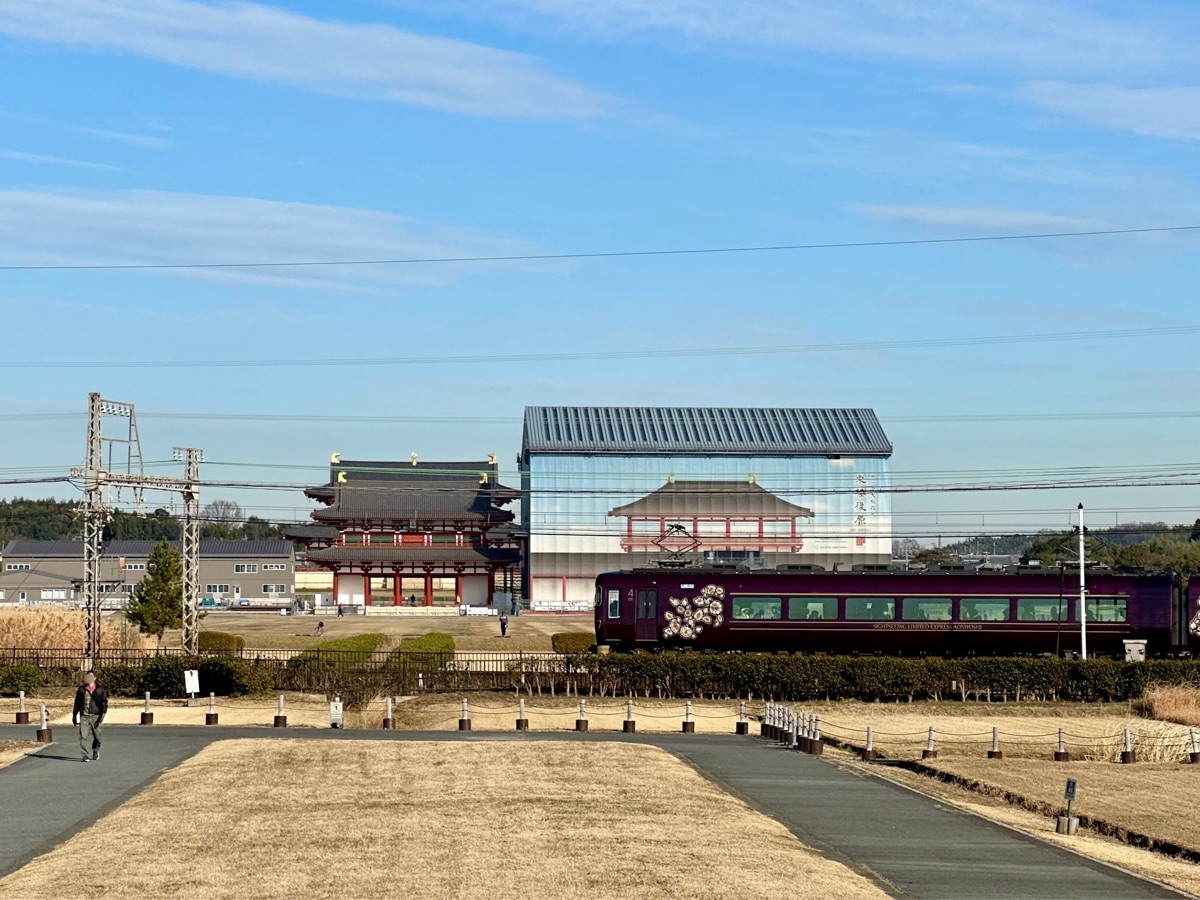
Apparently this rail line will be relocated by 2060. Construction is set to begin in 2041, and it won’t be finished until about 40 years from now… It’s the kind of plan that makes your head spin.
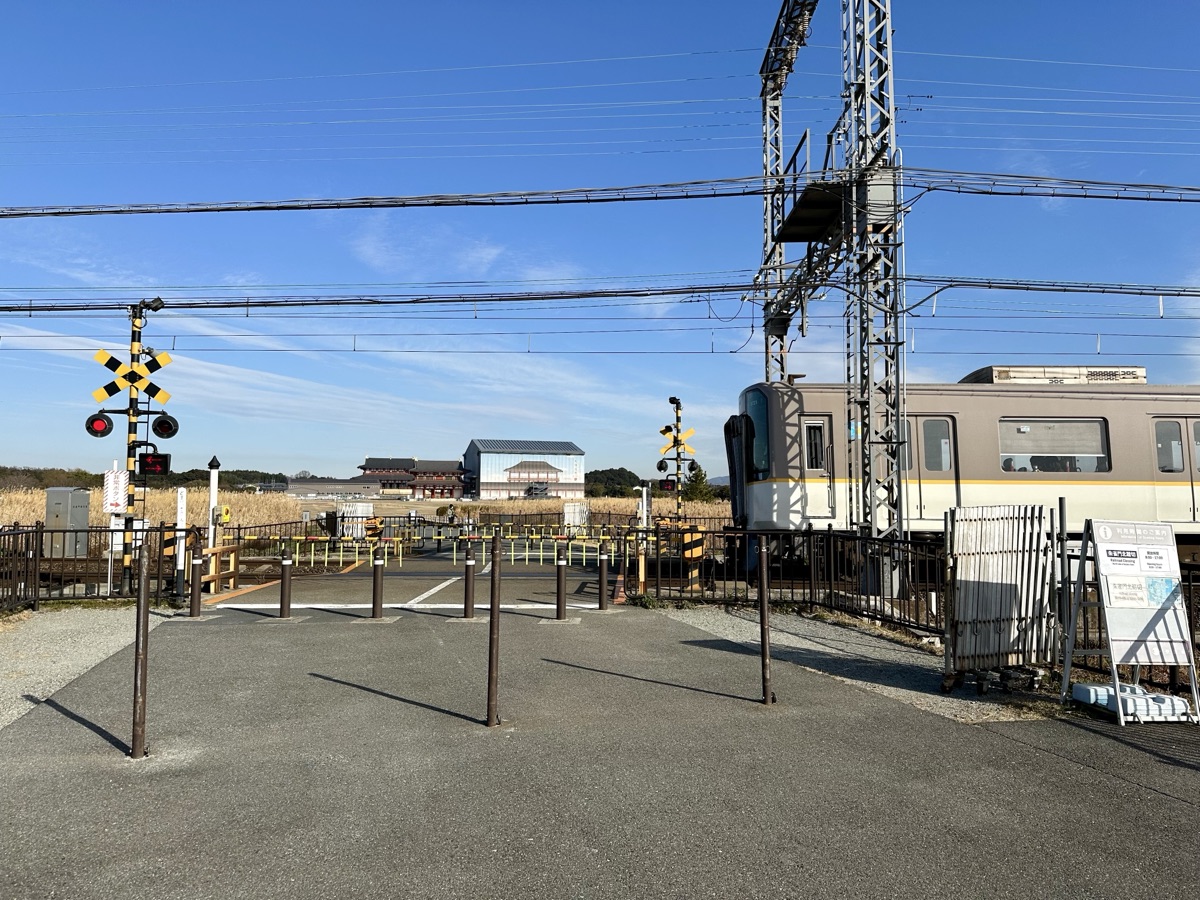
Still, there’s something undeniably fascinating about seeing a train slice right through the middle of Heijō Palace. And if you ride it, you get to enjoy the view from the window too.
Daigoku Gate
Beyond the railroad crossing stands Daigoku Gate. The east tower on the right is currently being reconstructed, and once that is finished, the west tower on the left will apparently be rebuilt next. The east tower is scheduled for completion in 2025.
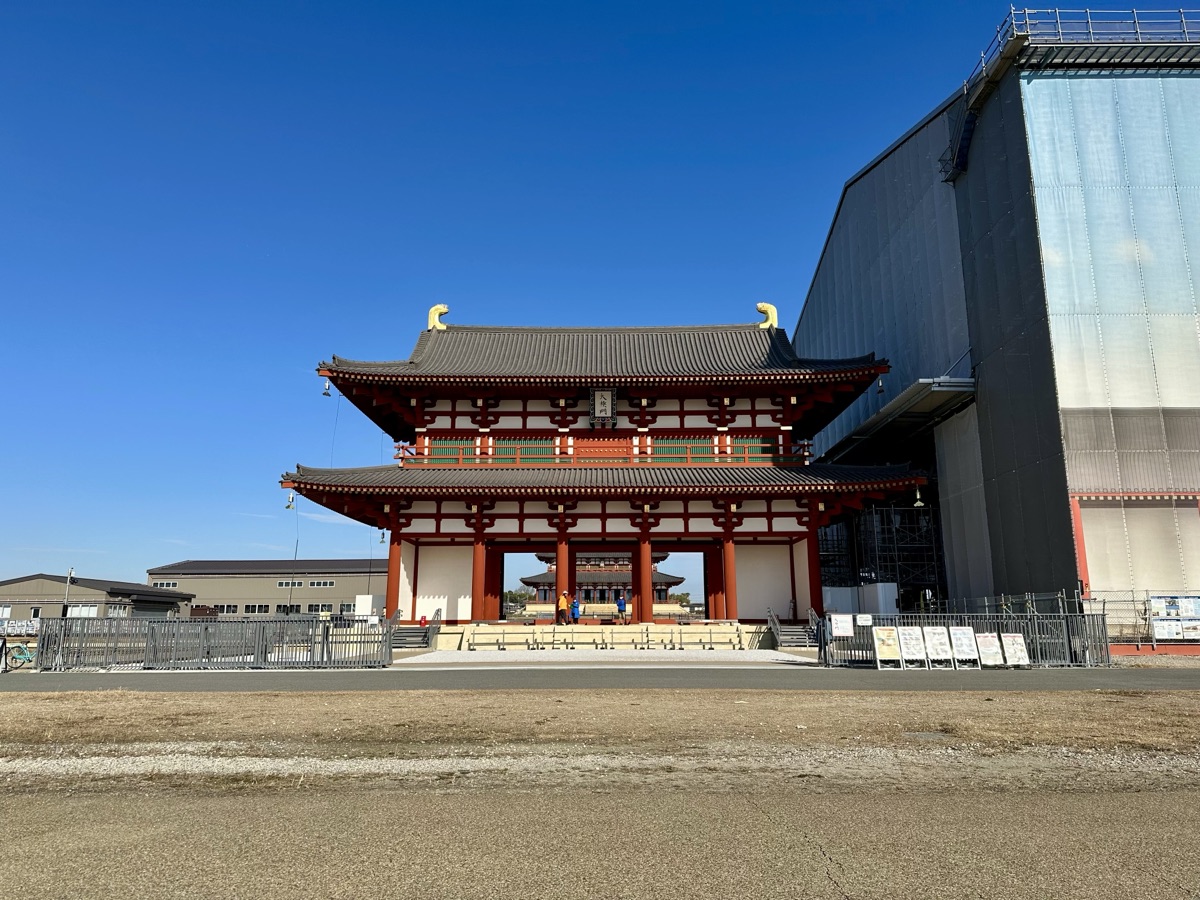
There was a viewing deck where I could peek inside the temporary shelter around the east tower under construction and get a quick look at the progress.

I was told that the temporary shelter was originally used when Daigoku Gate itself was being built, and that once work on the east tower is done, it will be moved over and used for the west tower.
Former Imperial Audience Hall
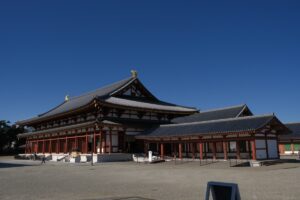
Beyond Daigoku Gate is the Former Imperial Audience Hall. It’s called the “former” one because there was another audience hall used in the later half of the Nara period.

Since it was only recently rebuilt, it still looks absolutely pristine, but the construction methods were reproduced through research into techniques from the time. In the first place, no drawings showing exactly what the original hall looked like survive, so this reconstruction was built based on various kinds of research and informed interpretation.
The ceiling is decorated with Japanese paintings.

At the center sits a full-scale model of the Takamikura throne, the one used in the imperial accession ceremony.

There was still plenty more to see at Heijō Palace, but the grounds were so enormous and each site was so far apart that I felt I was going to run out of time, so I decided to turn back toward the entrance here.
Heijō Palace Museum
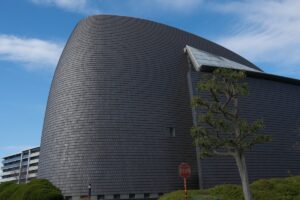
After heading back toward the entrance, I made my way to the Heijō Palace Museum. There are several museums and exhibition facilities around Heijō Palace, so be careful not to end up at a different one than the one you meant to visit.
The Heijō Palace Museum is a new facility that only opened in 2018. Entry to the gate and the audience hall had been free, and this was free too. Quite a generous budget… (lol)

Just because it’s free doesn’t mean the exhibits are underwhelming—not at all. There was a huge amount on display. If you really took your time, you could easily spend half a day here.
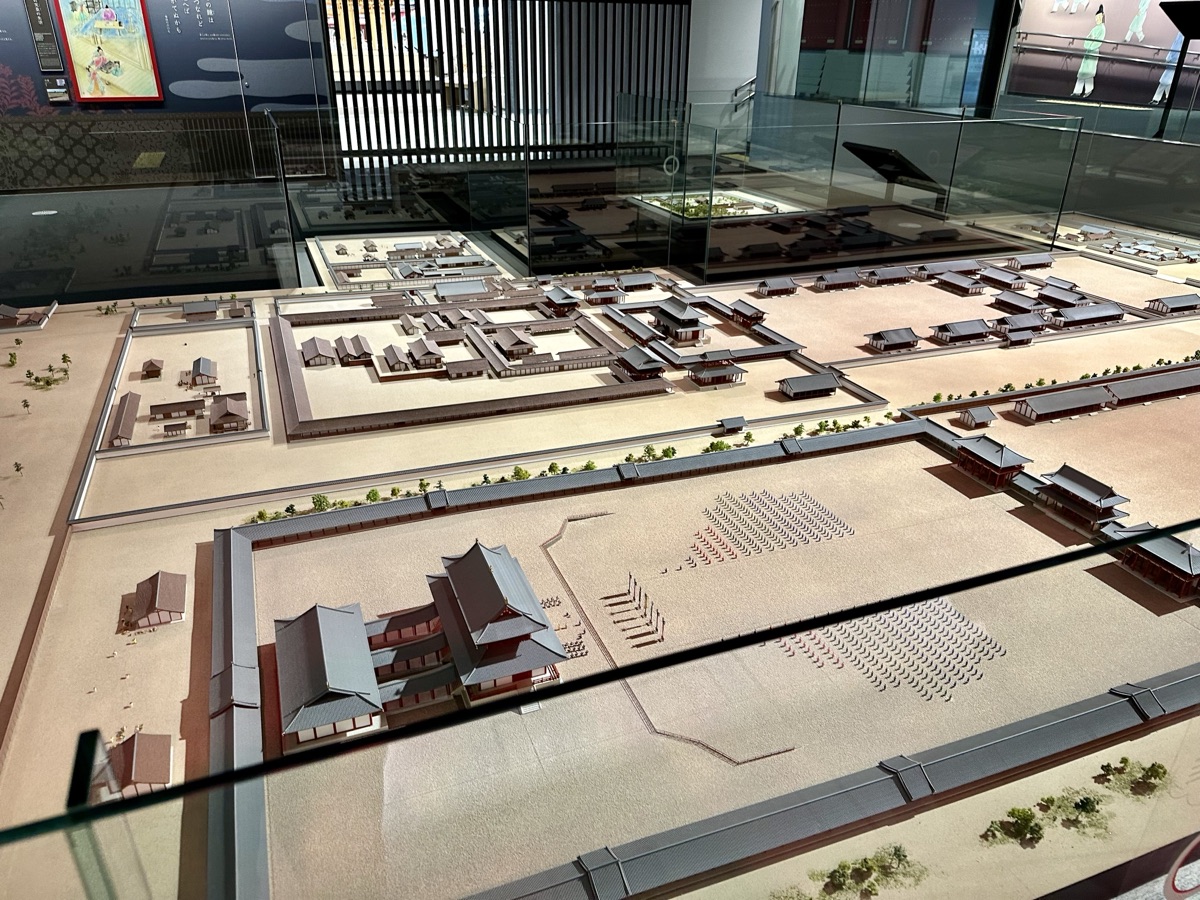
There were guides stationed here and there as well, so it felt like the kind of place where you could casually ask questions.
Inside the Reconstructed Kentōshi Ship
In the artificial pond near the museum, there’s a Kentōshi ship floating there, and you can go inside that for free as well.

There are several hut-like structures built on top of the ship. So they really went to the trouble of putting roofs like these on it.

From here, I took the loop bus back to Kintetsu Nara Station.

Comments