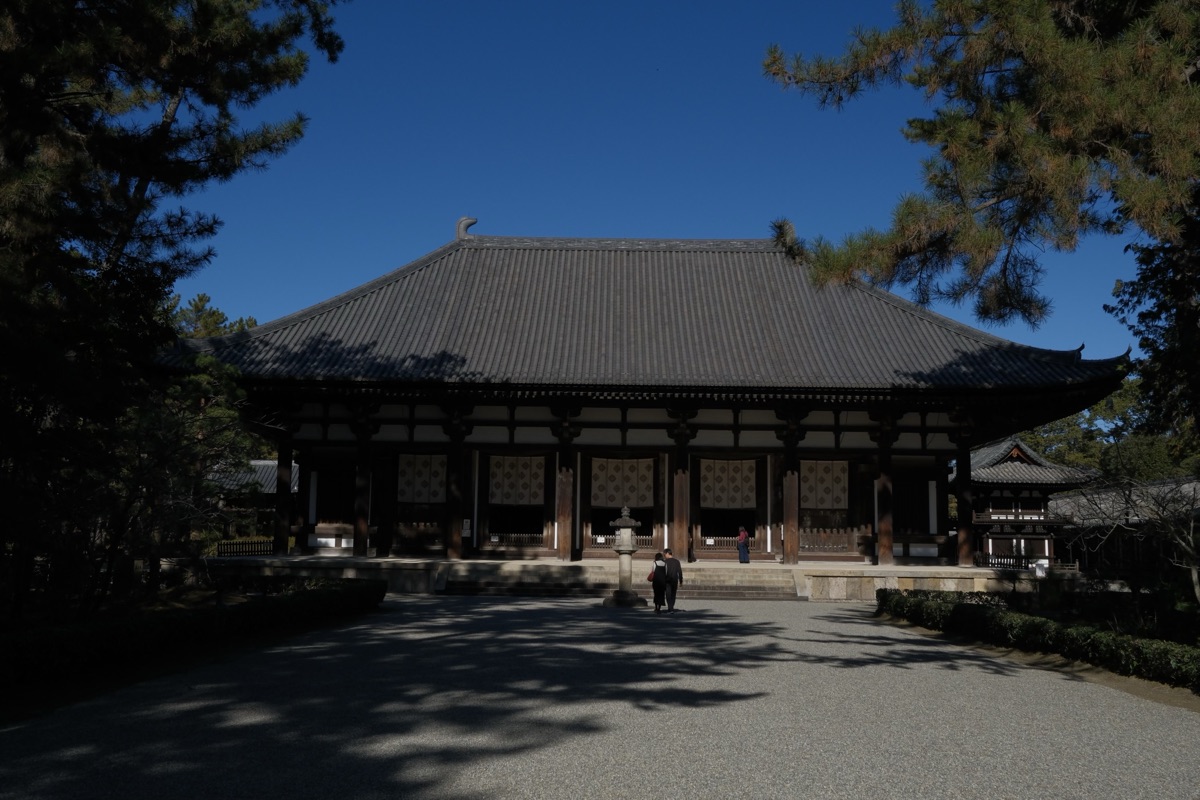

Walking Through Nara’s Traditional Scenery
Toshodai-ji Temple
After spending one night in Nara, I was heading to Kyoto, my next stop. But Nara has so many places worth seeing, and there were still plenty I hadn’t visited, so I decided to do a bit more sightseeing before moving on.
The first place I went was Toshodai-ji Temple. It was founded by Ganjin, the Chinese monk who came to Japan from Tang China and introduced proper Buddhist ordination, and its origins date back to 759.
Many of Nara’s famous sites are registered as UNESCO World Heritage under the designation “Historic Monuments of Ancient Nara,” and Toshodai-ji is one of them.
The first thing that catches your eye when you enter the grounds is the Golden Hall.
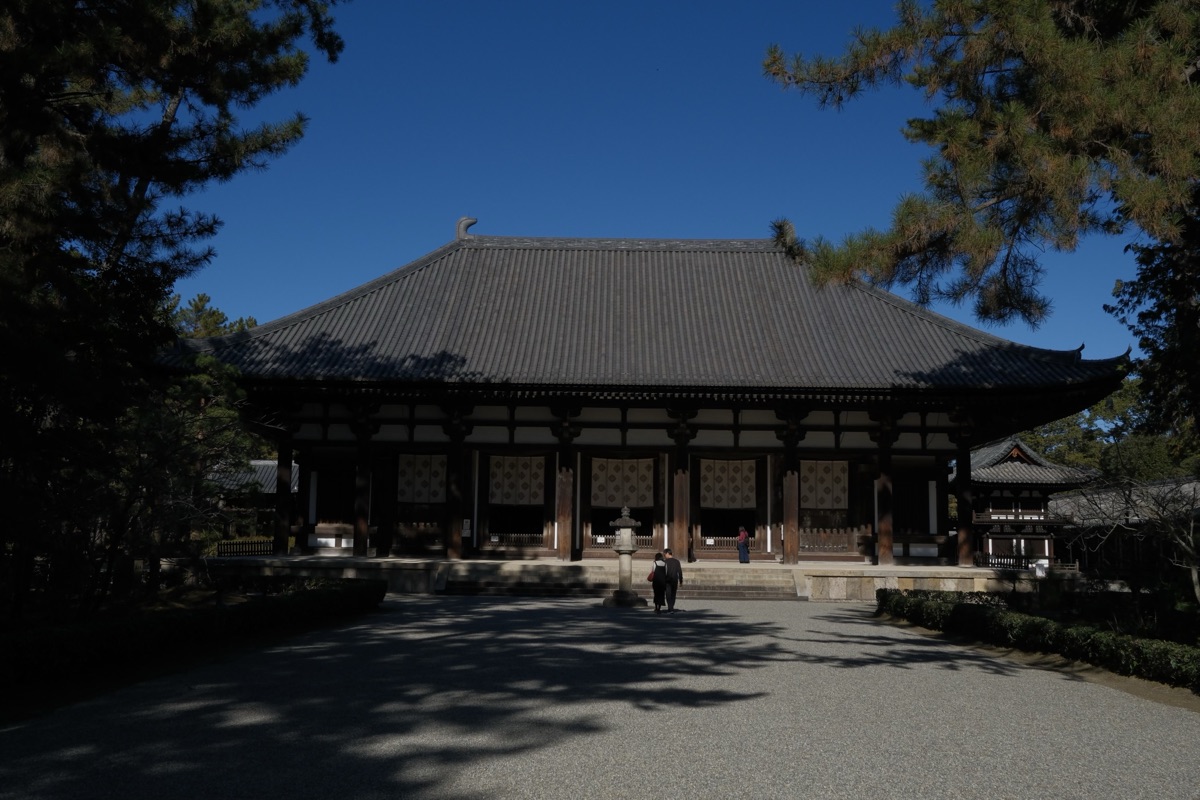
The Golden Hall is an original Nara-period structure that still survives today, and inside it are National Treasure Buddhist statues.
Compared with Kyoto’s better-known temples, there are very few tourists here, which is part of its charm—you can take your time looking around. If you want to experience a distinctly Japanese atmosphere, it may be worth visiting nearby cities like Nara, not just Kyoto.
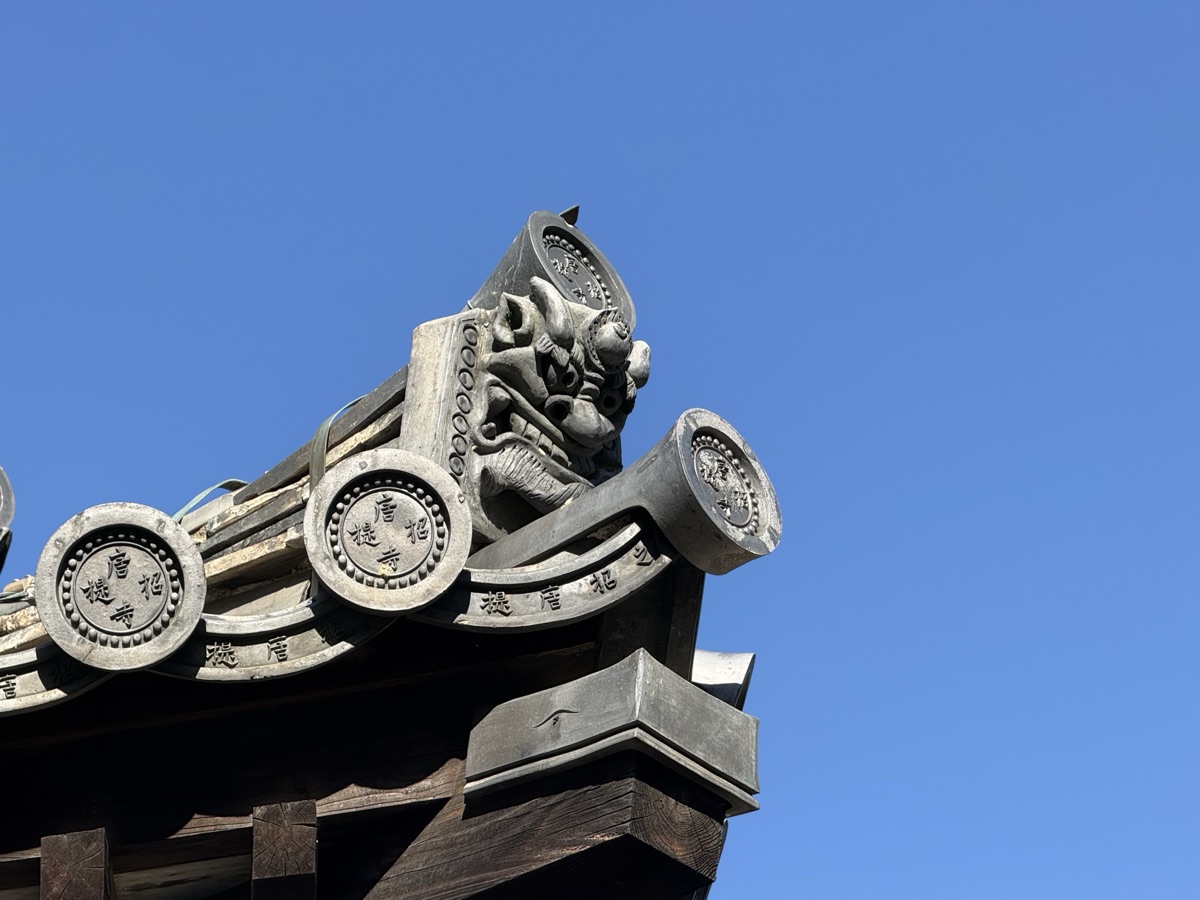
Nara is also said to be the birthplace of onigawara, the decorative tile ornaments often placed at the ends of roof ridges, so I made a point of noticing them as I walked around.
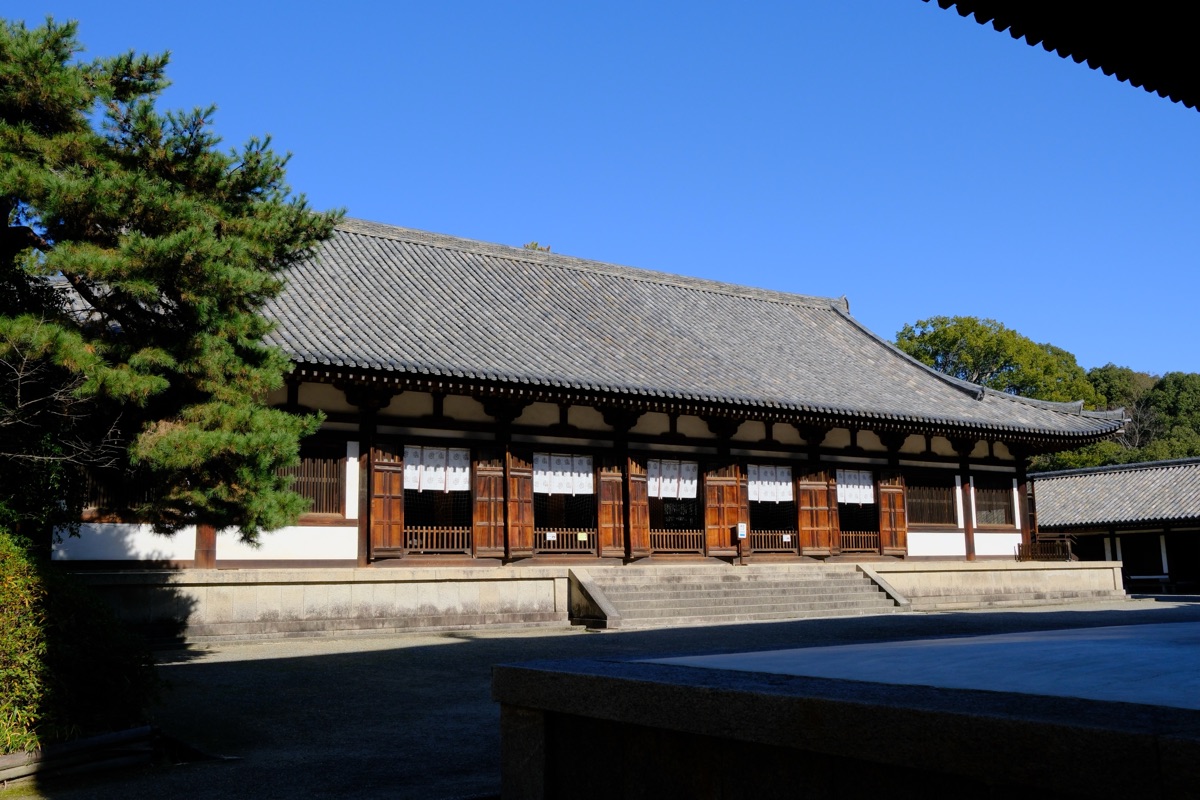
The Hozō is a building constructed in the azekura style, a traditional raised-log construction method using interlocking triangular timbers.
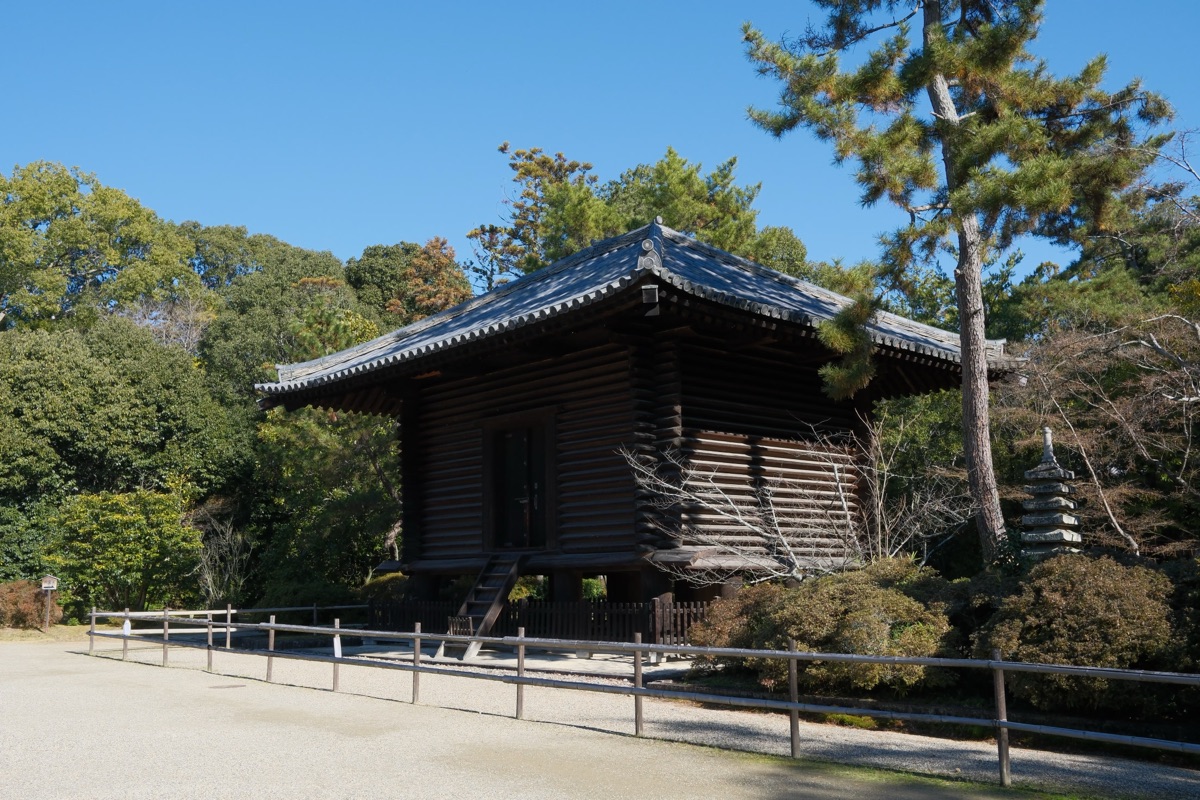
Next to it stands the Kyōzō, also built in the azekura style. It brought back memories of learning about this type of raised-log architecture in social studies class when I was in elementary school.
As I made my way deeper into the temple grounds, I came to a quiet space carpeted with moss.
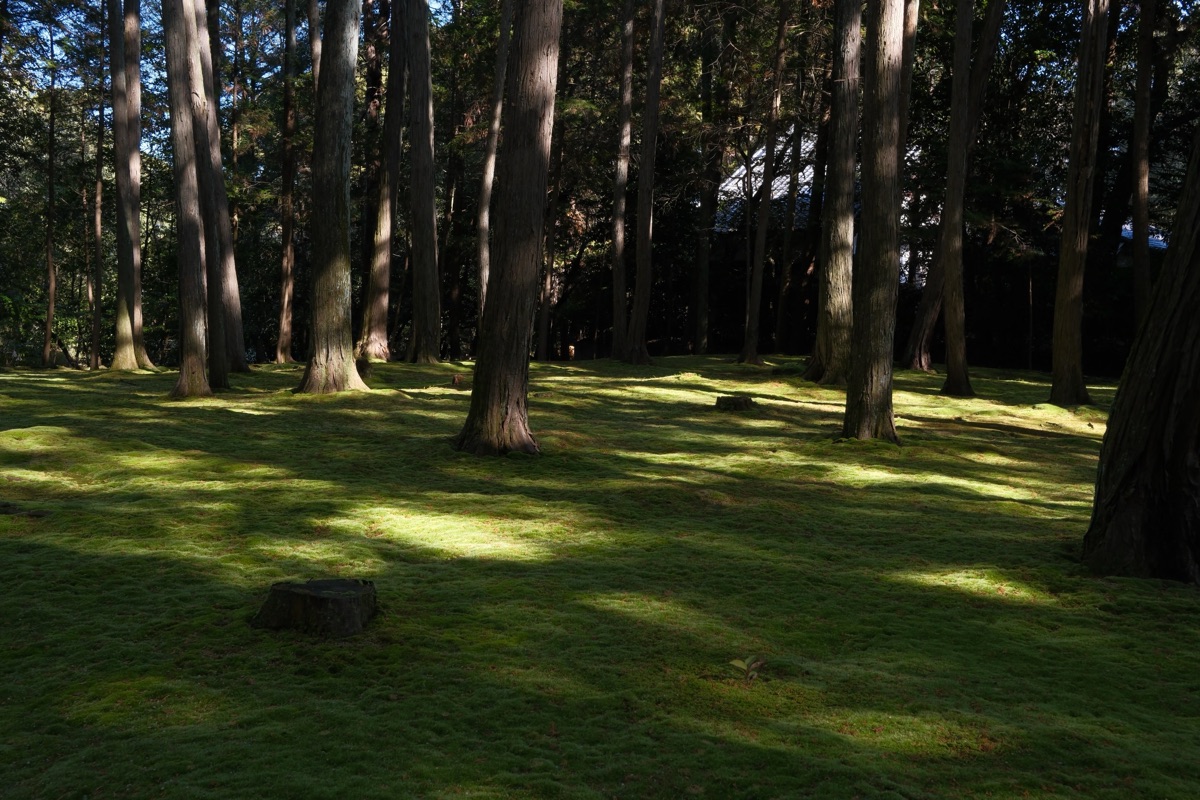
The air there felt cool, as if the temperature in that one spot had dropped by several degrees.
Beyond that is the mausoleum of the Venerable Ganjin, the Chinese monk who came to Japan from Tang China and introduced proper Buddhist ordination. He rests quietly in the far reaches of the temple where he spent his final years.
After seeing the ordination platform and a few other spots, I left the temple grounds.
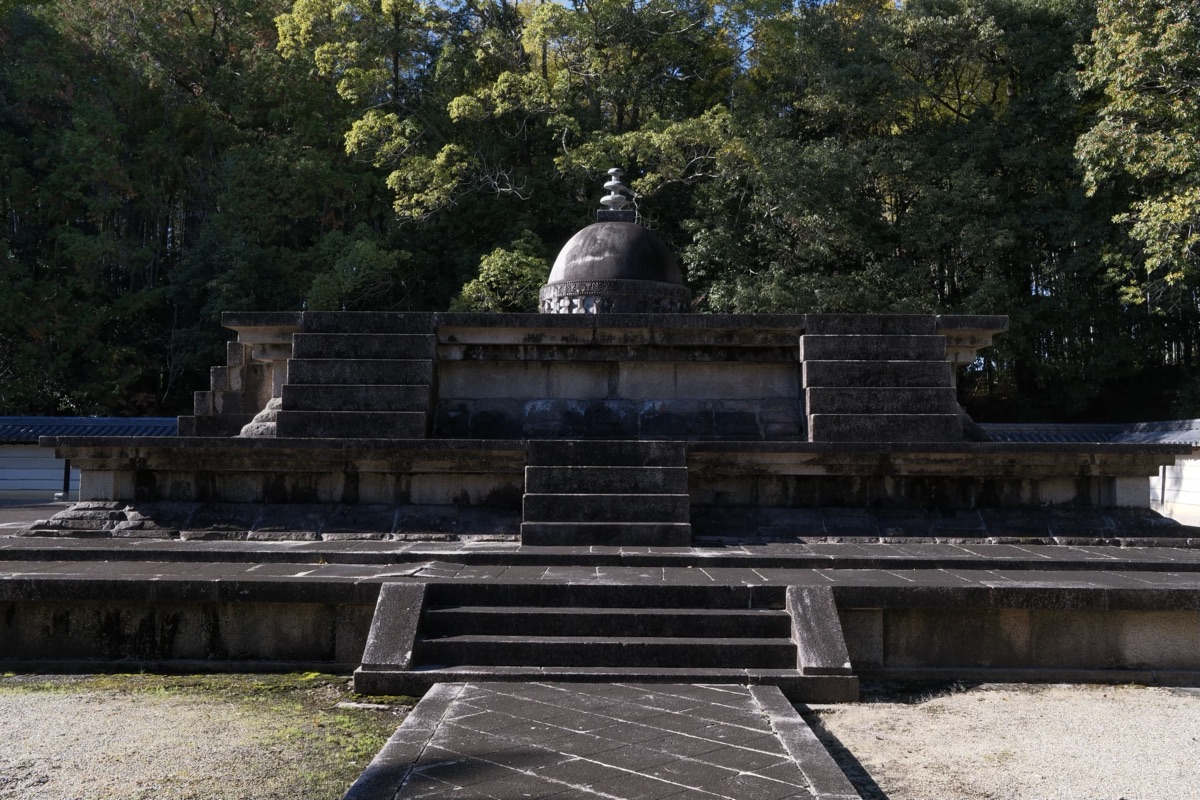
The ordination platform has an atmosphere that feels less Japanese and somehow more reminiscent of India, doesn’t it?






Comments