
From Miyajima to the Atomic Bomb Dome
Hiroshima World Heritage Sea Route
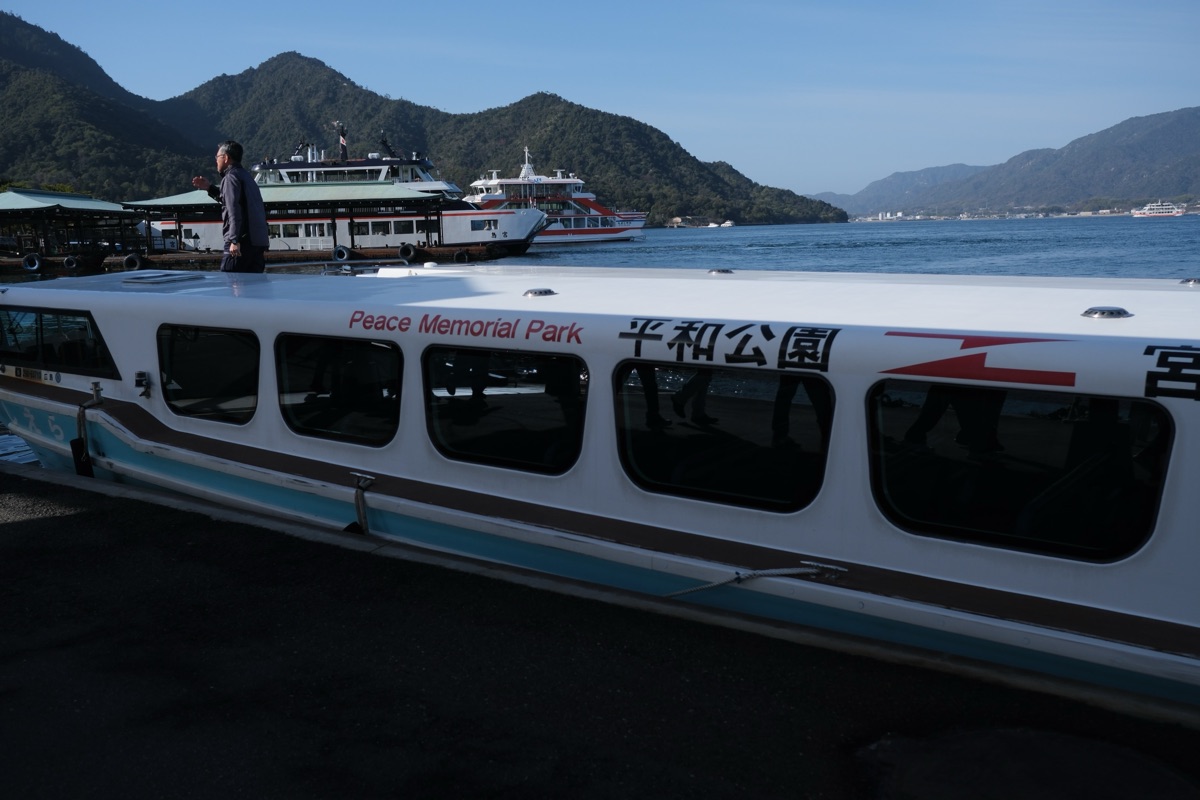
After checking out of my hotel on Miyajima, I began sightseeing on the final day of my Hiroshima trip. My first stop was the Miyajima ferry terminal. From there, I took the Hiroshima World Heritage Sea Route, which goes directly to Peace Memorial Park.
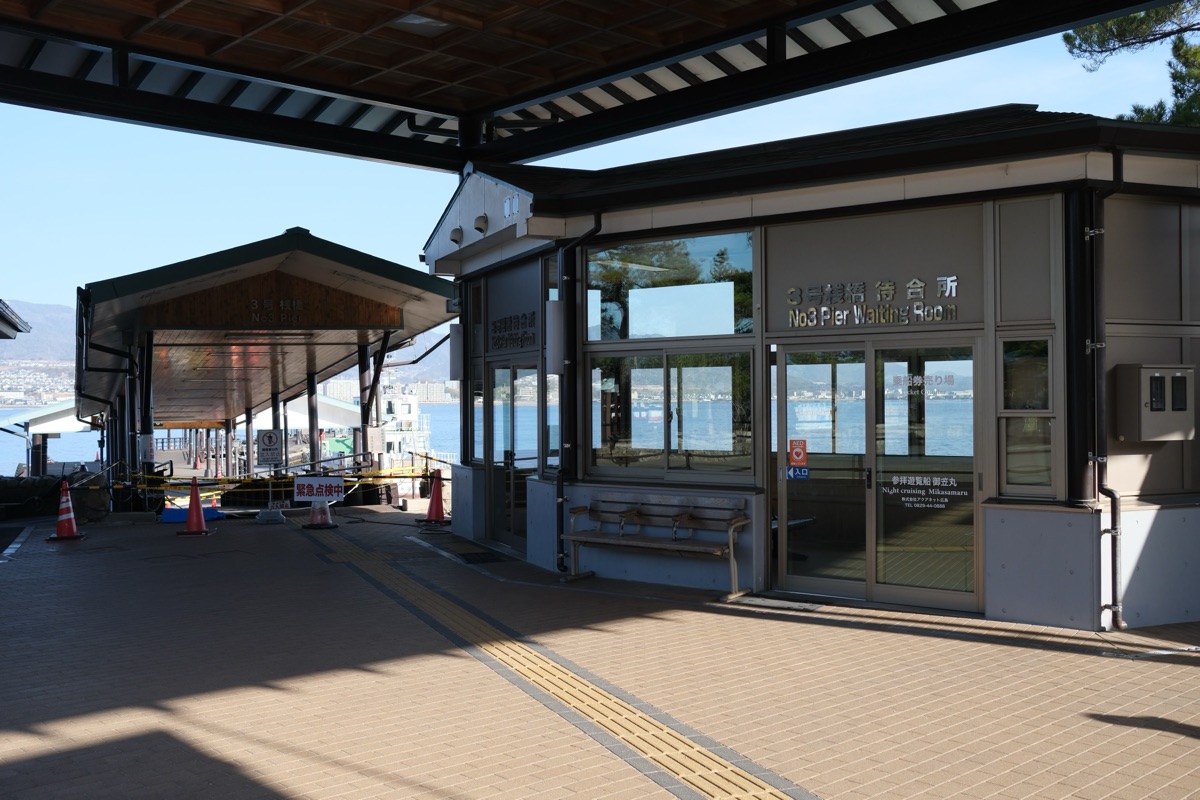
I had booked in advance, but the morning departure from Miyajima wasn’t full after all, and there were plenty of open seats.
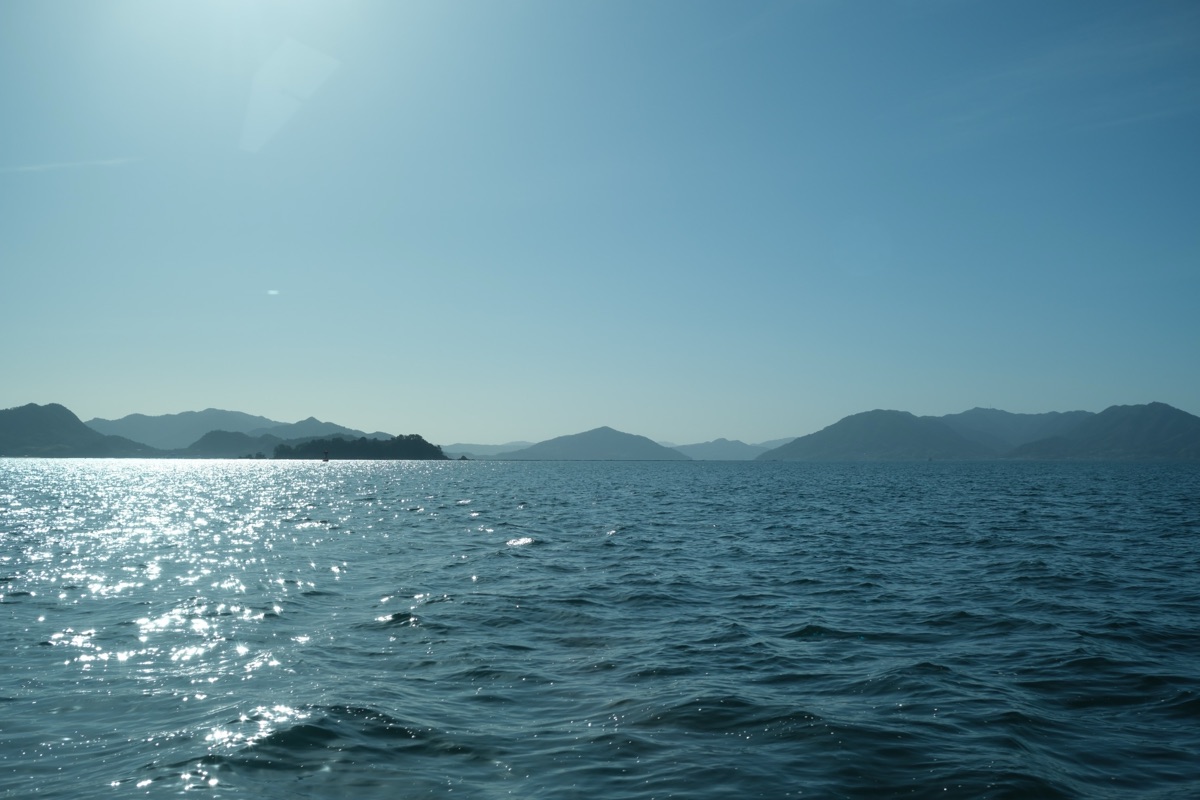
From the boat window, I could take in the beautiful islands scattered across the Seto Inland Sea, and I was more than satisfied.
Arriving in Front of the Atomic Bomb Dome
The boat arrives right in front of the Atomic Bomb Dome. There was quite a crowd around it, and the atmosphere was completely different from when I visited a few years ago.
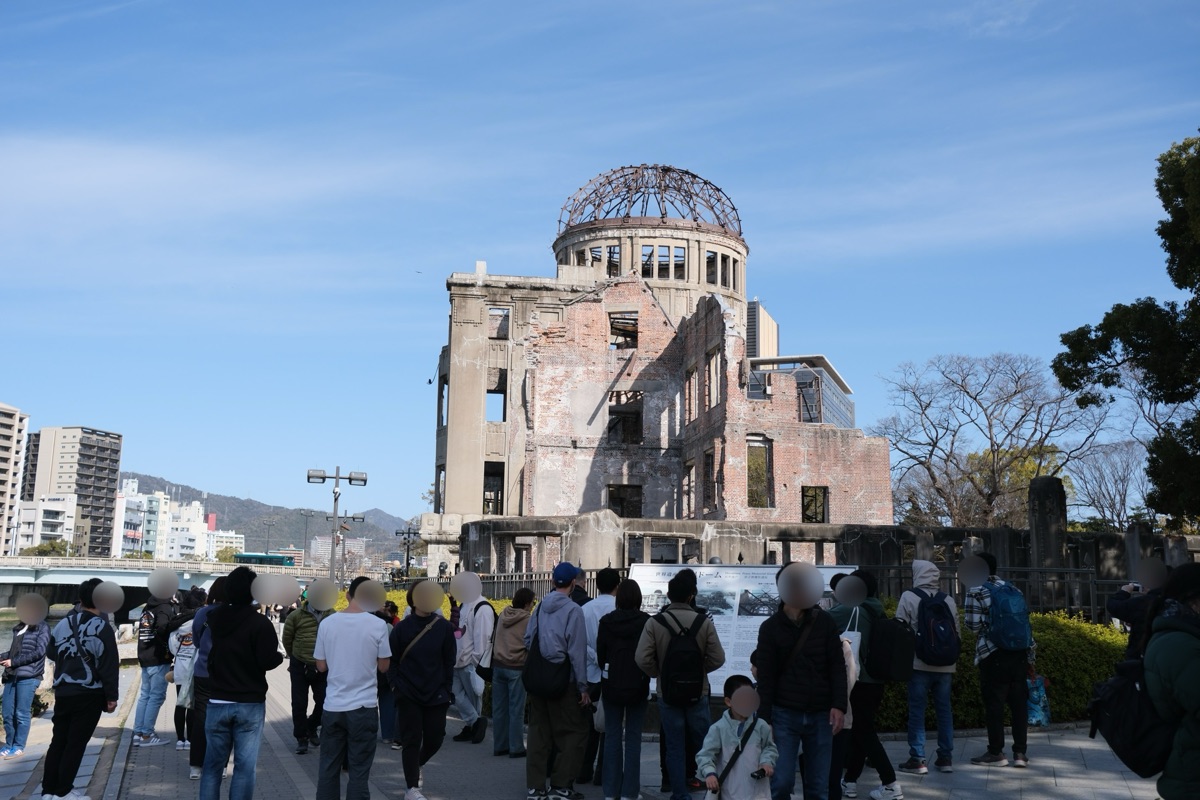
It also seemed like there were quite a lot of visitors from overseas.
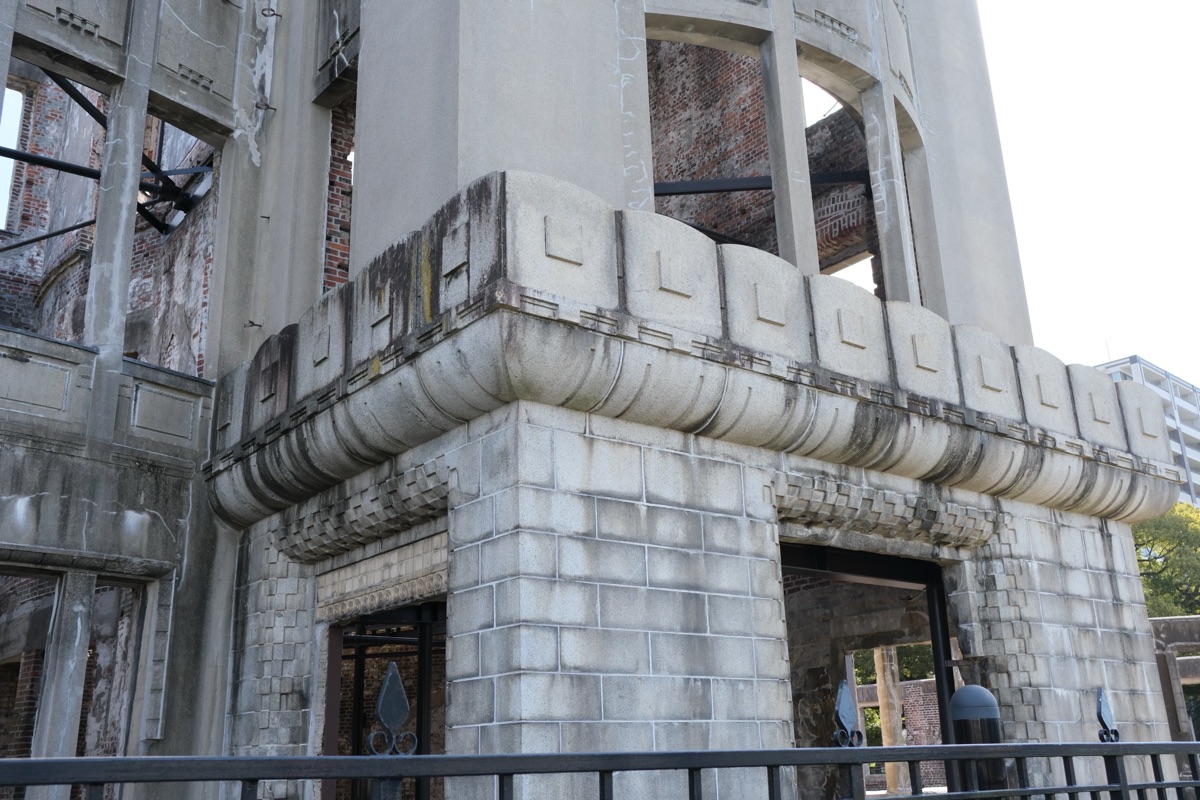
As I looked at the building, I found myself imagining, “Was this area the main entrance?”
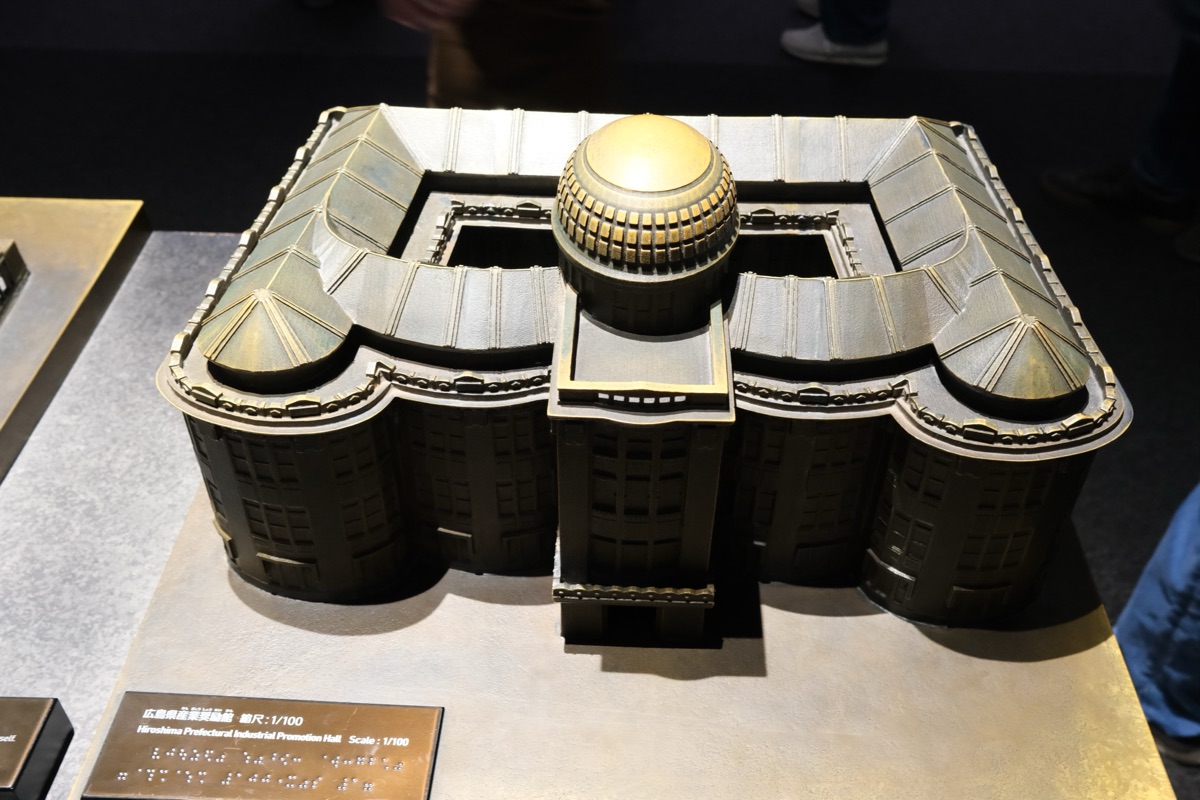
The museum also has a model recreating the cityscape from that time.
To Peace Memorial Park
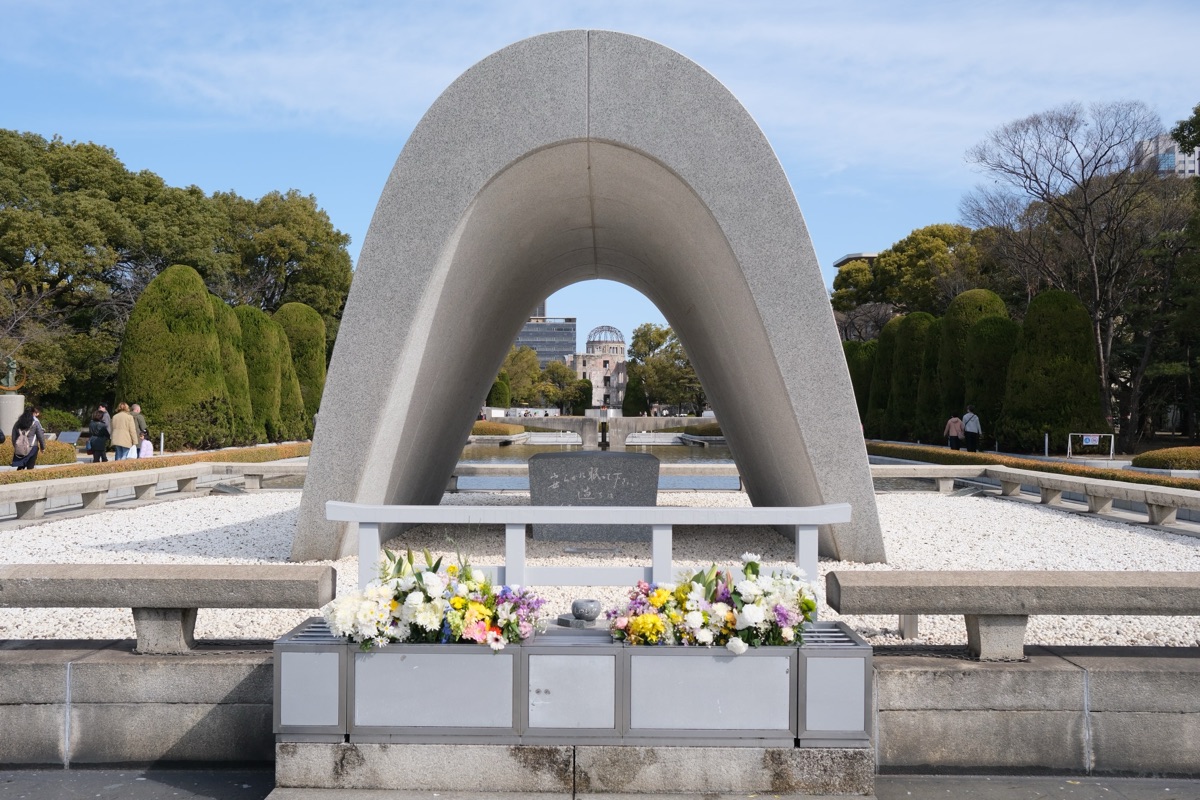
Looking at the Atomic Bomb Dome Through the Cenotaph
After visiting the Atomic Bomb Dome, I walked over to Peace Memorial Park.
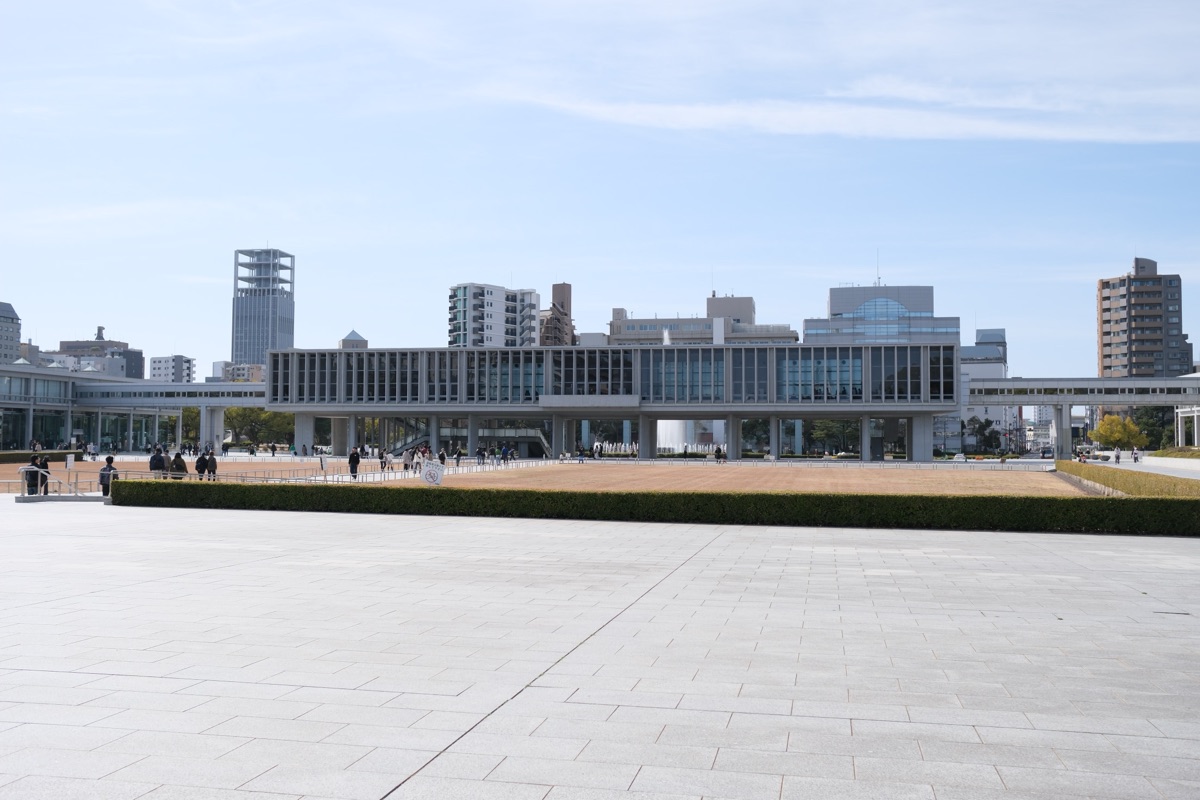
With a distant view of the beautiful museum designed by Kenzo Tange, I first made my way to the cenotaph.
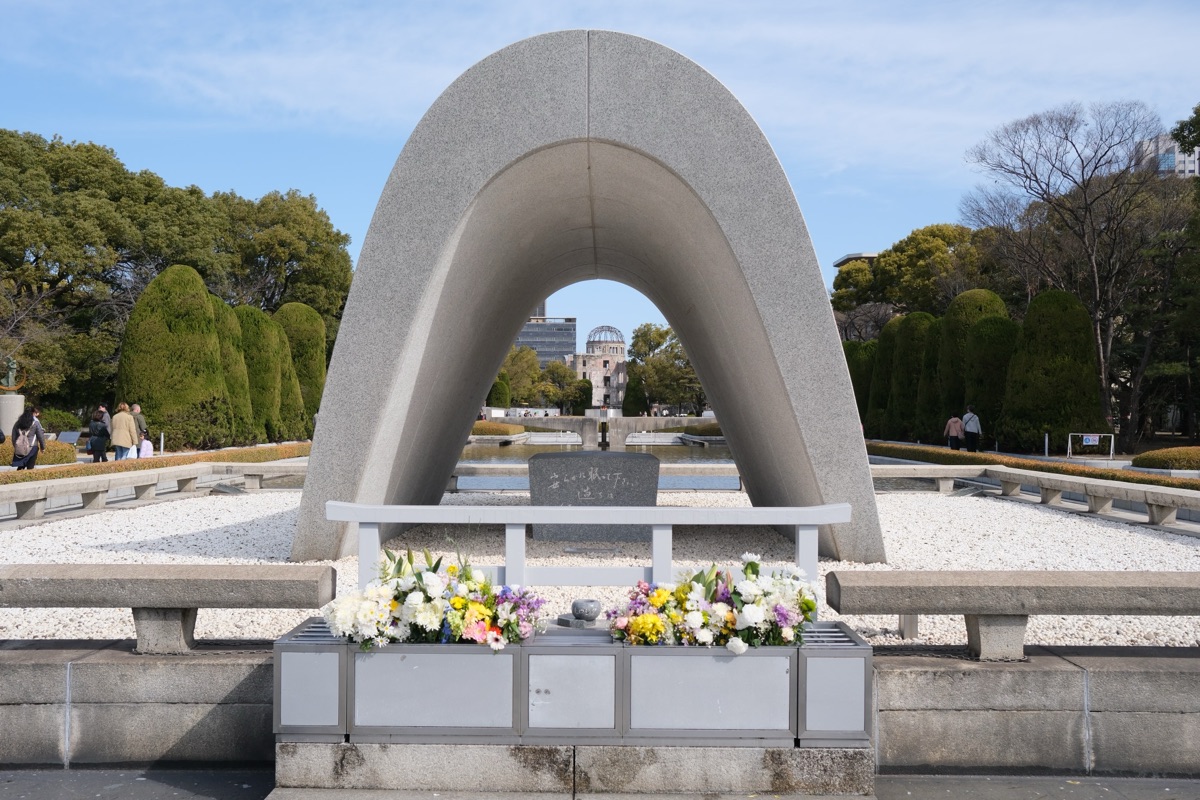
There was a line at the cenotaph as well. Standing before the view of the Atomic Bomb Dome seen from there, I offered a silent prayer.
Hiroshima Peace Memorial Museum
This was my second visit to the Hiroshima Peace Memorial Museum, but compared with my last trip, there were so many more people that even walking through the building was difficult.
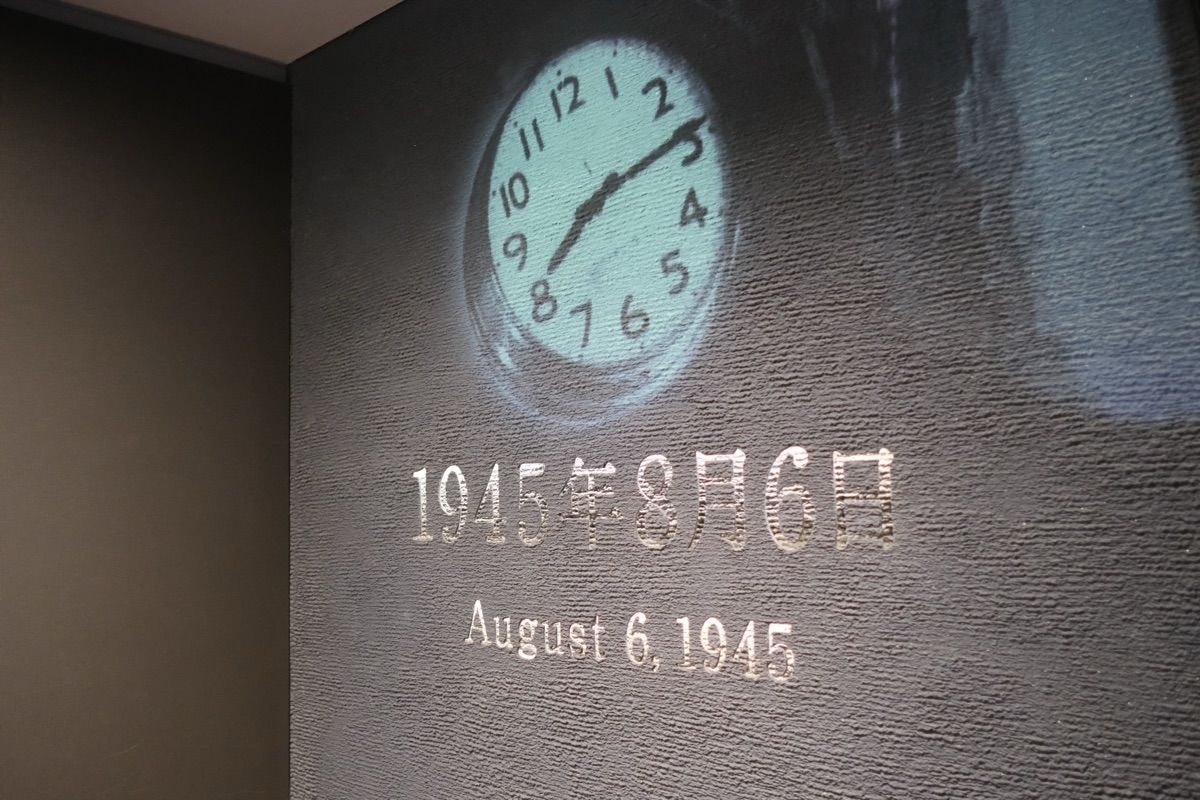
There were several security staff members inside, but they weren’t particularly directing the crowd, and there were many points where the flow of people got backed up. It was so crowded that I couldn’t help thinking that if anything happened, it could easily lead to an accident.
I finally made it through the exhibition area, and I felt relieved when I got outside.
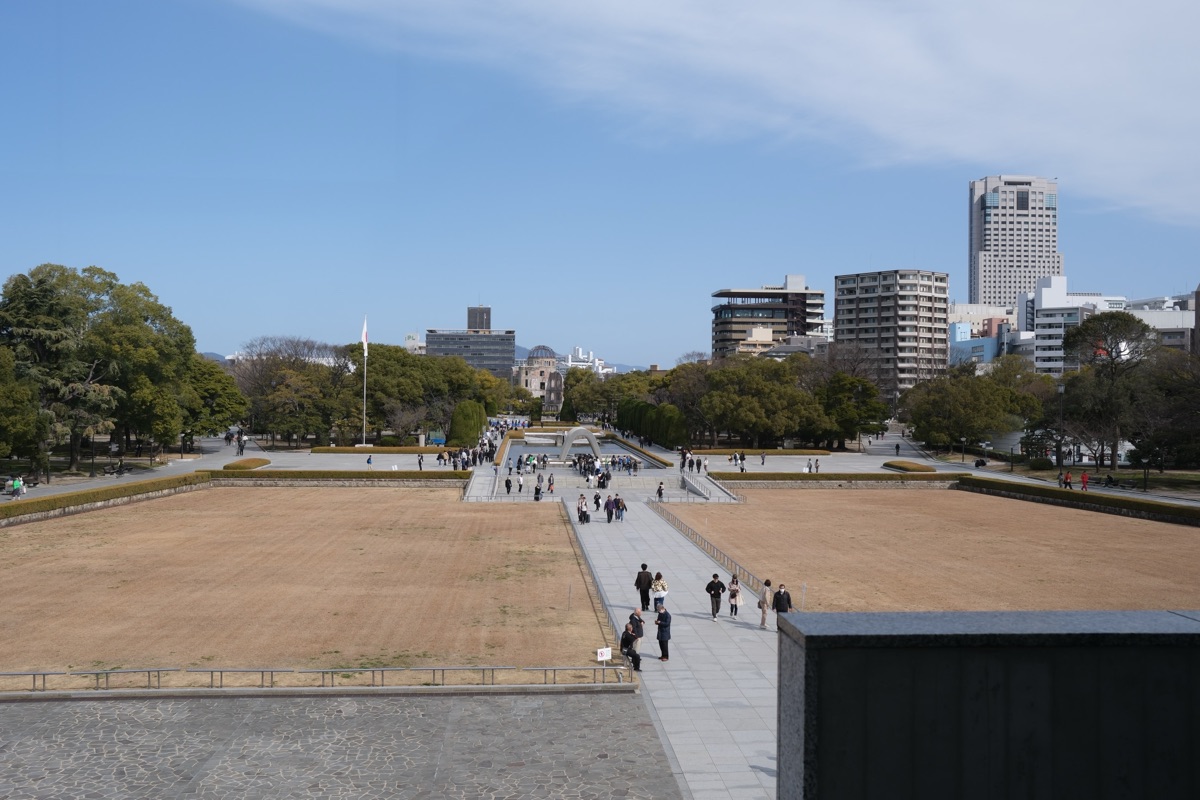
Taking in the Architecture
The best-known part of the Peace Memorial Museum is the central Main Building designed by Kenzo Tange. Today, the East Building stands to the right of the Main Building and the Hiroshima International Conference Center to the left, with the structures connected by elevated corridors.
The East Building was added later as an exhibition facility, and the current route into the museum begins there. Because of that, I imagine visitors originally entered directly through this Main Building.
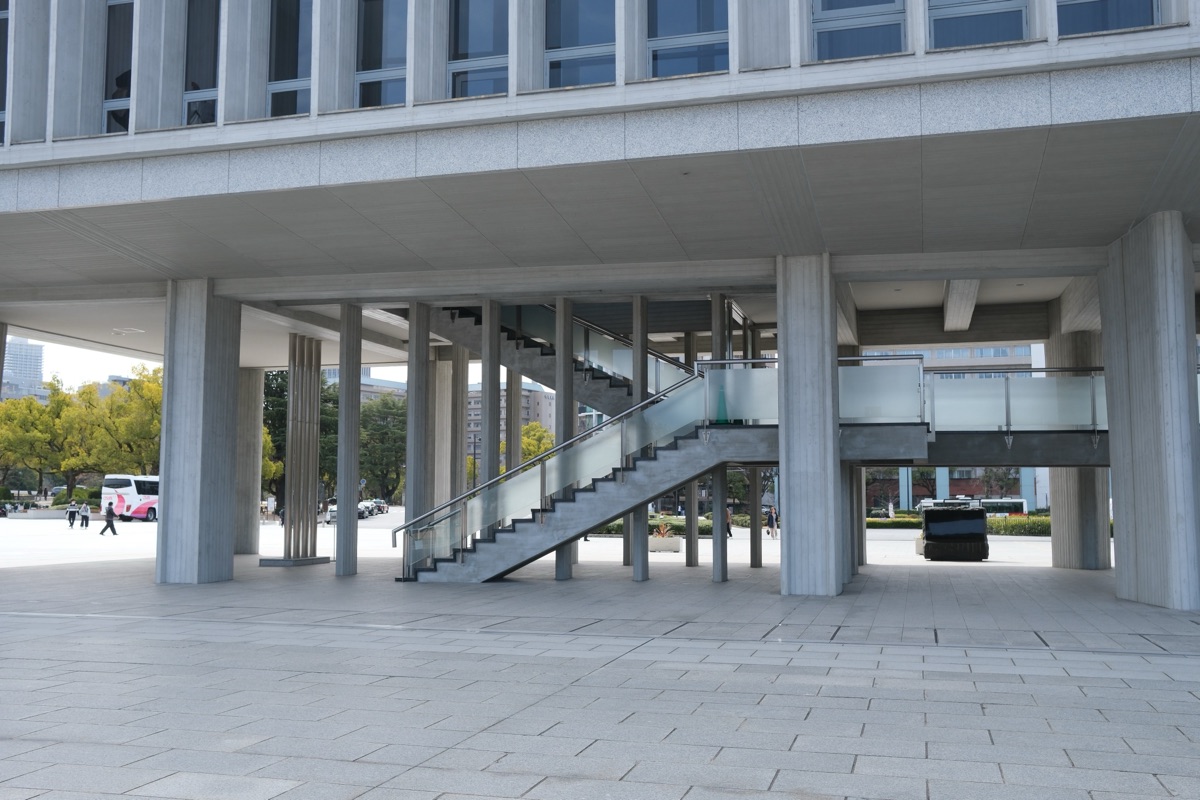
The beautiful staircase still remains, but since it is no longer used at all, it feels a little wasteful. Still, from an accessibility standpoint, it may be difficult by today’s standards.
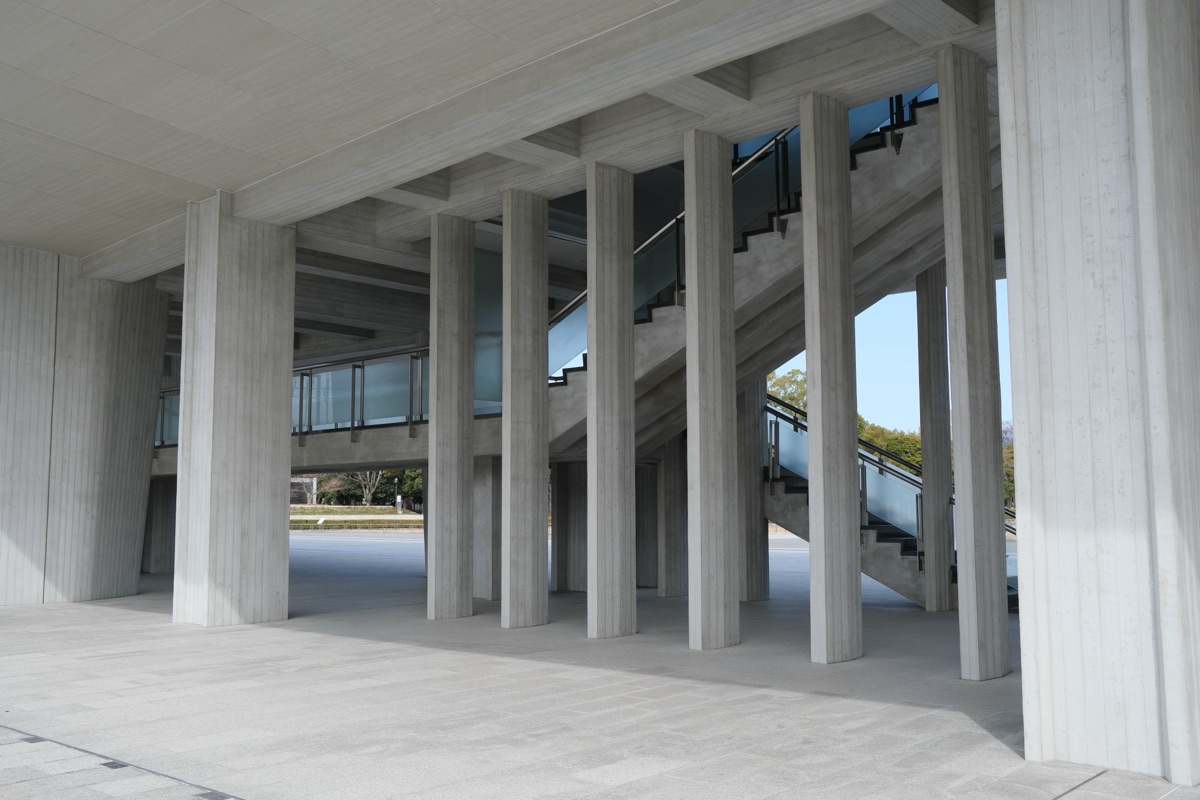
The building has been beautifully maintained, preserving a kind of beauty that doesn’t make it feel old at all.
Comments